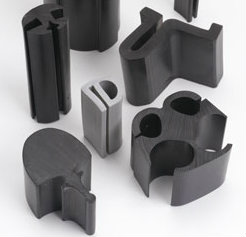
Compatibility of Alconox with Neoprene
Q. We want to check on the chemical compatibility of Alconox cleaner with neoprene to determine if it will compromise the integrity and properties of our parts. I have been unable to find much chemical compatibility data for alconox exposure to neoprene online so I’m hoping you can provide some help.
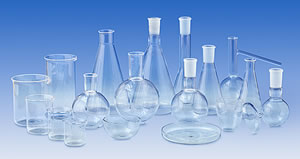
Cleaning Laboratory Glassware by Soaking
Q. Some of our glassware was left soaking in Alconox or Alconox and then bleach for a long period of time. Is this okay? A. Laboratory glassware that is completely submerged in an Alconox® solution is generally ok even with extended soaking. However, if you leave the laboratory glassware partially submerged…

Removing Trace Metals, Inorganics & Organics without Acid?
Q. We are trying to reanalyze our cleaning procedure. Do you have a product that removes trace metals, inorganics and organics without an additional acid rinse? We sample waste water influent and effluent and collect in plastic containers. Please let me know what you would recommend.
A. Organic residues are typically effectively removed by alkaline cleaning. The most robust way to remove trace metals and inorganics is to use an acid rinse. However . . .
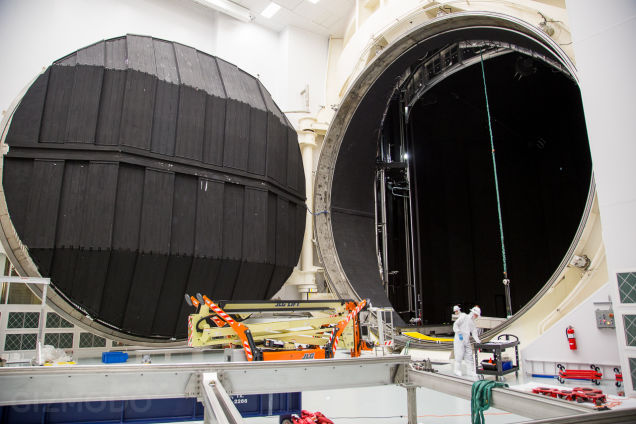
Cleaning Space Environment Simulation Chambers
Q. We are currently using Alconox® for cleaning of space environment simulation chambers. What do you recommend for a process to clean steel piping contaminated with DC-704 and Fryquel 550 and turbomolecular vacuum pump backing piping at JSC/NAS?
A. Alconox® detergent is the right choice, but vacuum pump grease is a very heavy difficult to remove residue. We recommend using very hot (170 deg F if possible) 2% Alconox® (20 g/L) followed by a very hot first rinse…
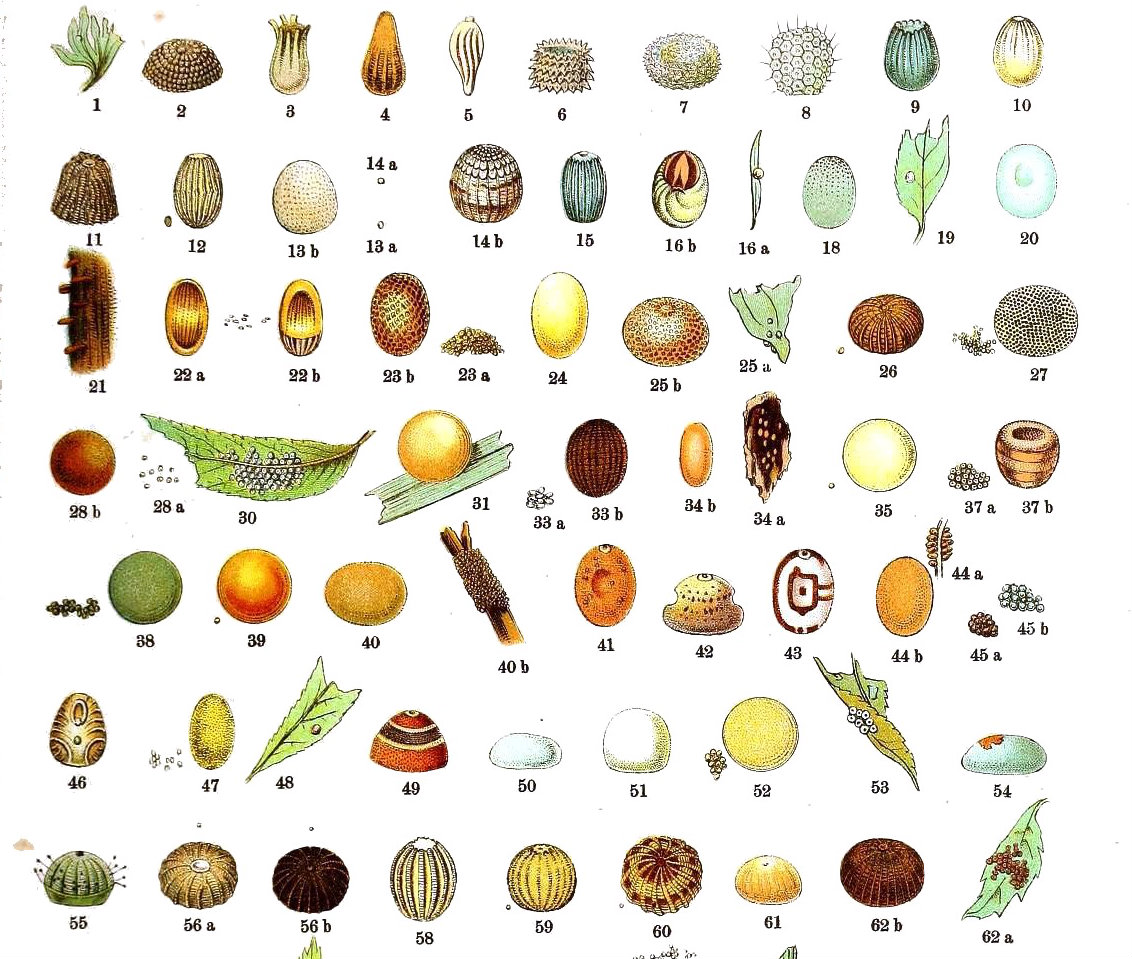
Is Alconox Scented?
Q. Is Alconox scented in any way? Does it contain any botanical ingredients or aromatic compounds? We are conducting a bioassay involving insect attraction to plant volatiles. Because of this, we need a cleaner that will not confound our results.
A. Thanks for your question about the fragrance and botanical content of Alconox. Alconox does not contain any fragrances or botanical extracts or compounds.
Alconox does contain . . .
