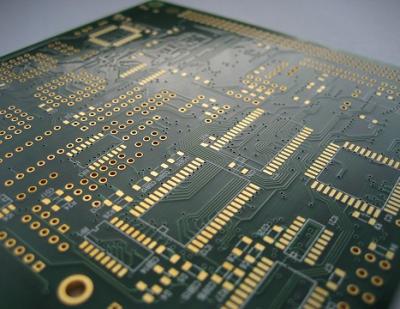
Cleaning Electronic Parts Prior to Soldering
Q. We need to clean parts to be soldered prior to applying solder. Do you have recommendations?
A. To clean parts prior to soldering you need to consider what residues you are trying to remove from the parts and how you want to clean. For general purpose oils and residue cleaning by manual, soak or ultrasonic cleaning methods, we recommend using a warm or hot 1% Liquinox solution . . .
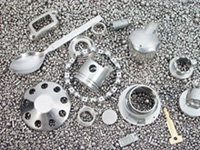
Cleaning Aluminum without Corrosion
Q. How is galvanic corrosion prevented when cleaning aluminum?
A. Aluminum is an active metal that is somewhat high on the “anodic index” of the galvanic series. If aluminum is cleaned with other metals present, you can create a battery and get galvanic corrosion. Aluminum should not be cleaned in the presence of metals that are significantly higher or lower on the anodic series; higher on the anodic scale such as zinc, magnesium or beryllium metals and lower on the anodic scale such as tin, brass, bronze, copper, silver, nickel and rhodium.
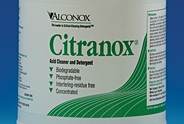
Air Shipping Citranox
Q. I want to air ship a sample of Citranox to one of our vendors for evaluation. Are there any shipping limitations on Citranox?
A. Citranox is a non-hazardous detergent that has no shipping restrictions or limitations.

Cleaning Aluminum with Alconox
Q. Which Alconox cleaners can be used on Aluminum?
A. The Alconox brand cleaners recommended for cleaning aluminum are Alconox, Liquinox, Tergazyme, Alcojet, Alcotabs, Detojet, Citranox, Luminox, Citrajet, Solujet and Tergajet. Detergent 8 is not recommended for cleaning aluminum. Aluminum forms a natural passive layer in air that allows it to be successfully cleaned without adverse reactions with cleaner. A passive layer forms in under an hour, provided there is no oily film present. Once the passive layer is formed, the recommended Alconox brand cleaners can be used to clean the aluminum at concentrations of less than 5% at 90 deg C or less for up to one hour.

Cleaning Glassware Exposed to Sea Water
Q. What is the proper way to clean lab glassware that has been exposed to sea water?
A. Sea water contains a large and variable quantity of salts, biological and organic residues. Lab glassware needs to be free of any of these residues to avoid interference in research involving sea water. Sea water would not particularly present challenges beyond the normal array of residues that lab glassware sees in the wide variety of types of lab glassware that Alconox, Inc. laboratory detergents are used to clean. A standard cleaning protocol will work fine.
