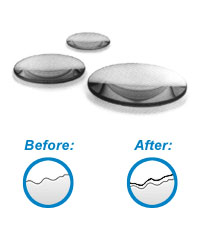
Optical Lens Cleaning
Q. How do you clean wax marks on optical lenses which are difficult to remove?
A. Use either 1% Alconox or Liquinox in a heated 160 deg F ultrasonic bath followed by a deionized water rinse to clean optical lenses during manufacturing.

Sewage Sampling Equipment Cleaner
Q. We have a client who is about to begin using a peristaltic pump to obtain sewage samples from multiple sources. How should they clean the pump and tubing?
A. To clean the pump and tubing use a warm 1% Liquinox solution (10 mL/L) followed by a thorough rinse. You can pump 1 system volume of Liquinox through the tubing using . . .

Triclosan and Triclocarban contamination
Q. We are experiencing contamination issues with both triclosan and triclocarban with our LC/MS/MS instrument. We need to determine if either of these compounds are a component of Liquinox or Detojet
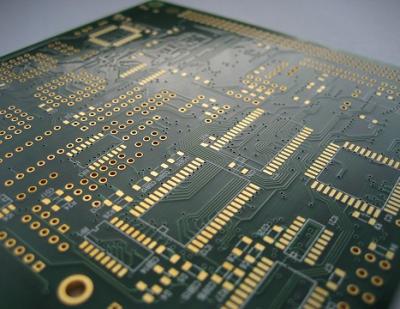
Cleaning Electronic Parts Prior to Soldering
Q. We need to clean parts to be soldered prior to applying solder. Do you have recommendations?
A. To clean parts prior to soldering you need to consider what residues you are trying to remove from the parts and how you want to clean. For general purpose oils and residue cleaning by manual, soak or ultrasonic cleaning methods, we recommend using a warm or hot 1% Liquinox solution . . .
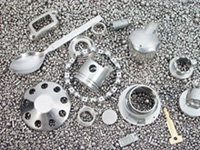
Cleaning Aluminum without Corrosion
Q. How is galvanic corrosion prevented when cleaning aluminum?
A. Aluminum is an active metal that is somewhat high on the “anodic index” of the galvanic series. If aluminum is cleaned with other metals present, you can create a battery and get galvanic corrosion. Aluminum should not be cleaned in the presence of metals that are significantly higher or lower on the anodic series; higher on the anodic scale such as zinc, magnesium or beryllium metals and lower on the anodic scale such as tin, brass, bronze, copper, silver, nickel and rhodium.
