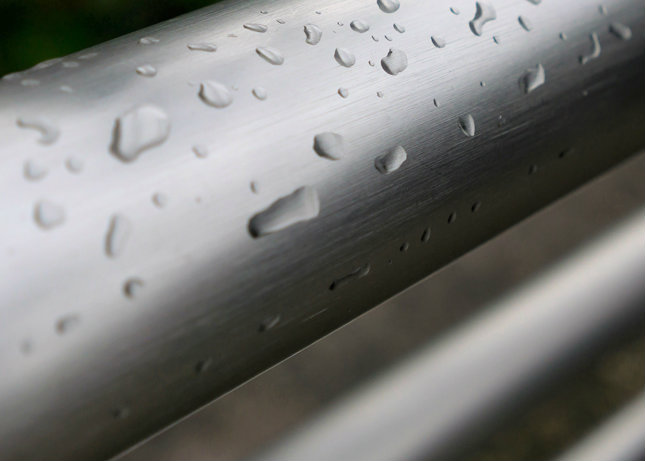
Water Spots on Stainless? Improve Blowing Process
Q. White spots appear on our stainless steel parts the day after cleaning with Alconox. Right after we clean them, they are dry and visually clean. So, is this next-day residue from the Alconox detergent? If not, can you tell us why this is happening? A. It is fairly unlikely that visually clean parts have Alconox residues suddenly appearing the next day. In addition to Alconox being free rinsing, any residue that did not get rinsed for whatever reason, would be visible fairly immediately.
Most people in similar situations, even though the parts appear “dry and visually clean,” find that the spots are from water.
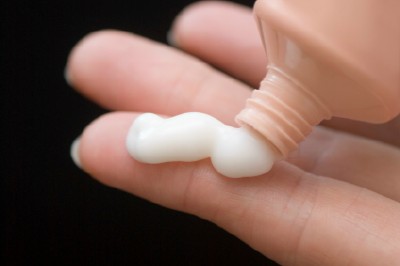
Clean Salicylic Acid Lotions From Equipment
Q. What can be used to manually clean salicylic acid lotions, creams, emulsions from manufacturing equipment?
A. In general salicylic acid is best cleaned by sodium phosphate or alkali citrate salt containing cleaners. Lotions and creams are often best cleaned by high alkaline cleaners.
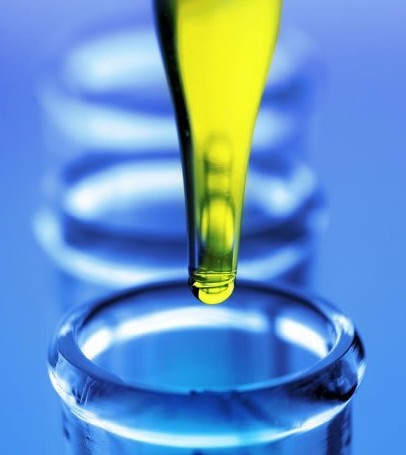
Soaking in Alcotabs solution
Q: We understand from your literature, that pre-soaking in a solution prior to washing is a good idea. We are washing pipettes in a syphon washer using your Alcotabs. Can we create an Alcotabs solution for the pre-soak? A 1%?…

Dishwasher Rinse Aids Interfere w/ Wine Tasting
Rinse aids work by placing rinse aid residue on the surface of glasses and smallware being cleaned. The residue in the rinse aids left on surfaces are hydrophobic molecules, which stick to the surface to repel water. Less water on the surface, means less water that needs dried, and that leaves less water available to make streaks and water spots. But there’s a problem…
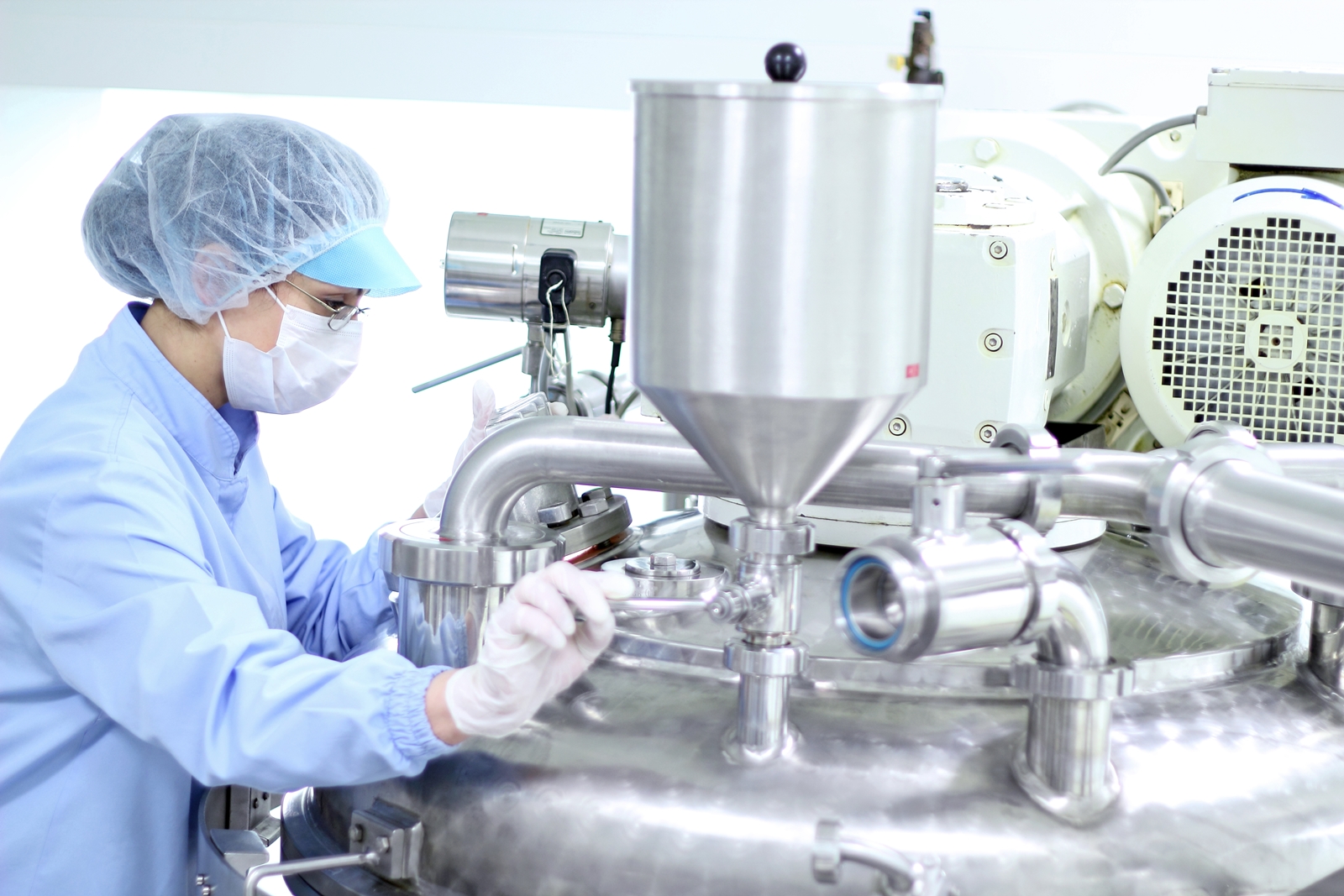
Cleaning Protein in Pharmaceutical and Biotech Manufacturing
Q. How do you remove protein out of pipes, centrifuges and tanks in a CIP environment with water temperatures averaging 20C?
A. In a cooler temperature environment, consider adding an enzymatic cleaner to your alkaline/acidic CIP routine. A product like Tergazyme® Enzyme-Active Powdered Detergent, which contains both protease and surfactants, is not only efficient at removing the biofilm, but will also slow down the formation of biofilm and allow the regular cleaning cycle to clean effectively for more cycles.
