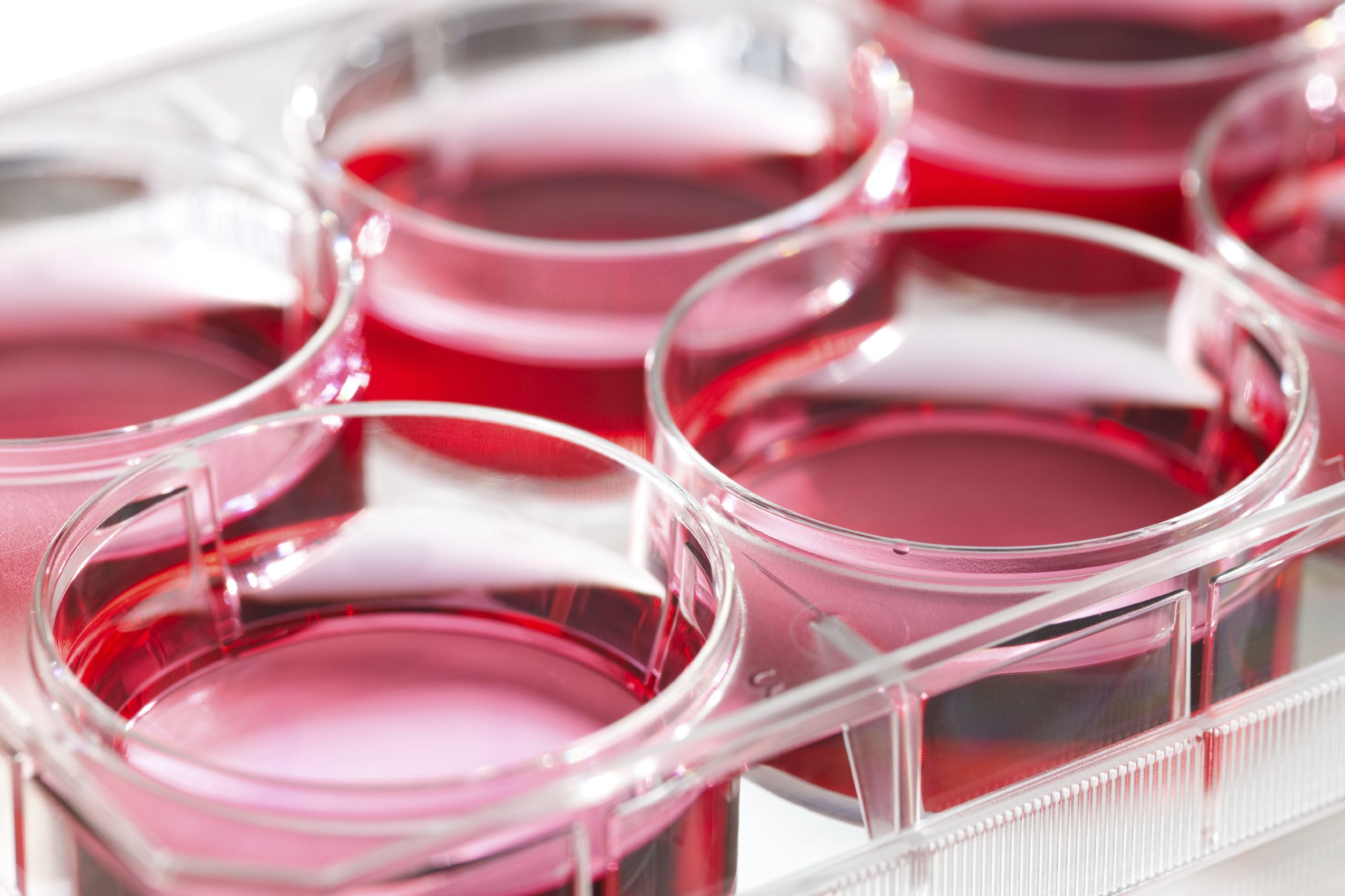
Removing Protein from Cell Culture Containers
Q: What do you recommend for removing protein from cell culture containers?
A. To clean cell culture containers and remove protein, use a freshly made solution of our enzymatic detergent….
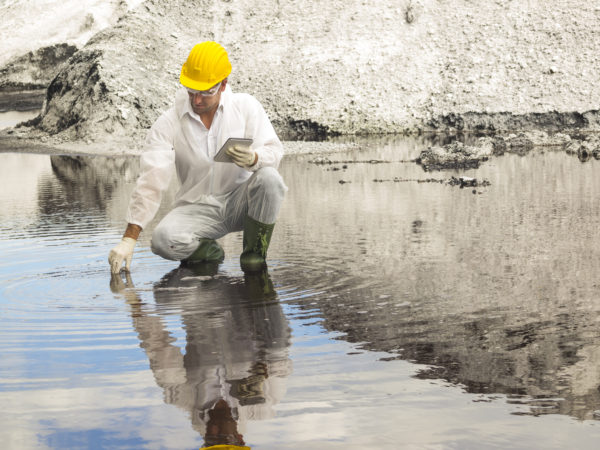
Cleaners for Water Labs w/ Heavy Metals
What cleaner can water labs that need to work in the ppb or ppt for heavy metals use? The key is both a proper, free-rinsing, critical cleaning detergent and proper rinsing/drying.
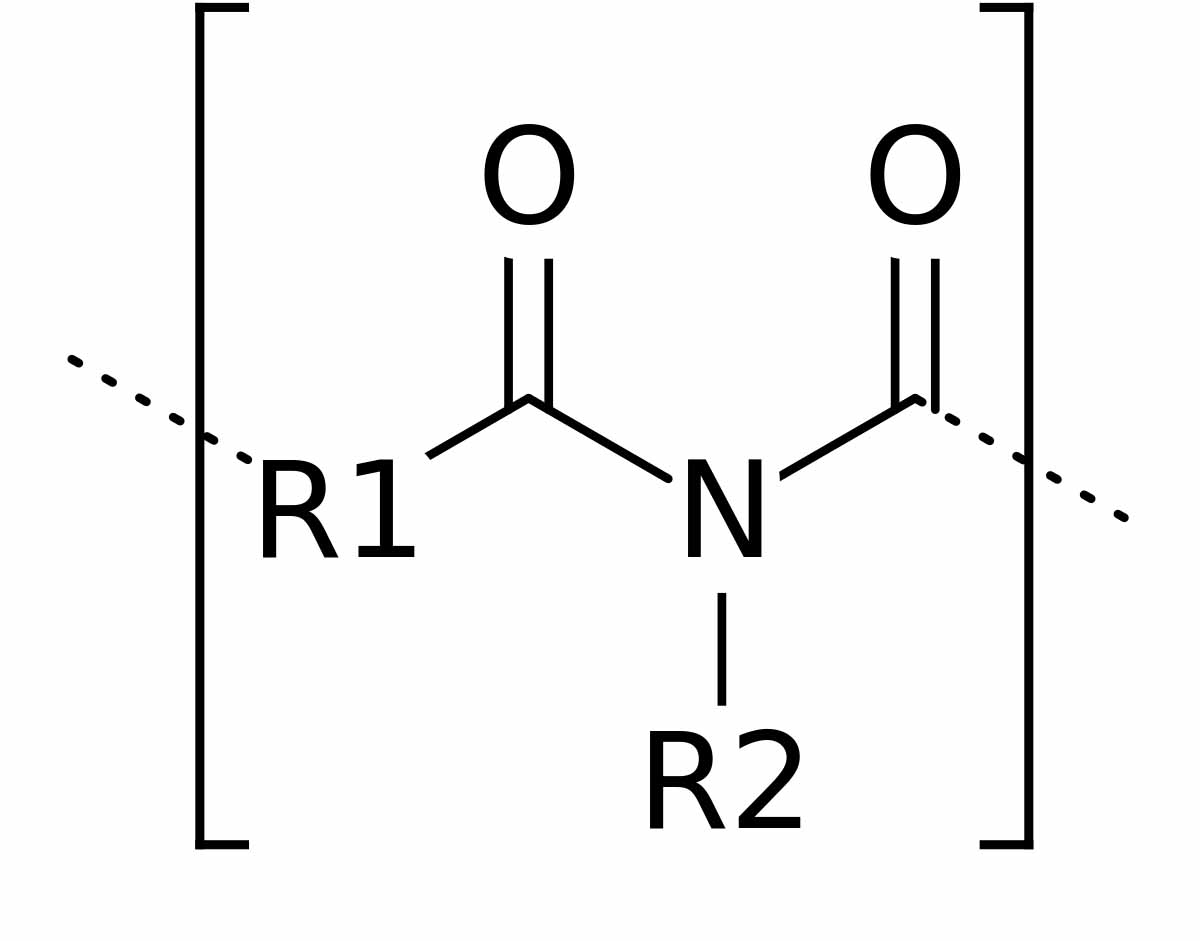
Removing Silicone Oil from Polyimide Surfaces
Q. How do you remove silicone oil from polyimide surfaces during a lamination process (polyimide bonded to Inconel metal foils)? The oil is only contacting the polyimide. What can be used to clean this polyimide surface that will leave behind no residue?

Ultrasonic Cleaning of Optical Devices
Q. Ultrasonic and forced DI water are not removing particles from the optical devices. We suspect that the particles are charged and that is playing a role in the difficulty of removing them. Rusting isn’t a problem but oxidation might be. Al, Ti are metals in the devices we use. The cleaning is followed by chemical etching so this can be an issue.
Click to read the answer.

Cleaning Automotive Pressure Sensors
Q. We make automotive pressure transducers. These are Stainless Steel automotive pressure sensors with baked on carbon and combustion deposits. Do you have a detergent recommendation?
