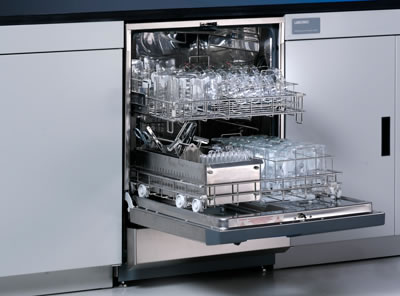
Pharmaceutical Cleaning — Insoluble Residues
For best results removing water insoluble pharmaceutical residues in a labware washer there are several factors to pay attention to:
1) Be sure to load glassware separated from other glassware in a way that will not trap wash solution between pieces of touching glassware.
2) Be sure to load glassware tilted in a position that will drain all surfaces so as to avoid any upturned “cup” that will retain wash solution and carry it in the rinse cycle where it gets redeposited all over other glassware – a classic example of this happens when you load a graduated cylinder straight upright and the base of the cylinder holds wash solution – it is best to load graduated cylinders at a bit of an angle.
High Temperature and Alkali Wetting Agents
Q. We need wetting agent that is stable in high temperature and high pH for a metalworking manufacturing application. What would you recommend?
A. We have Alconox powder and Liquinox liquid detergent that have excellent wetting as well as lifting and emulsifying characteristics that are stable at high temperatures and high pH. When you ask about high temperatures, know that …
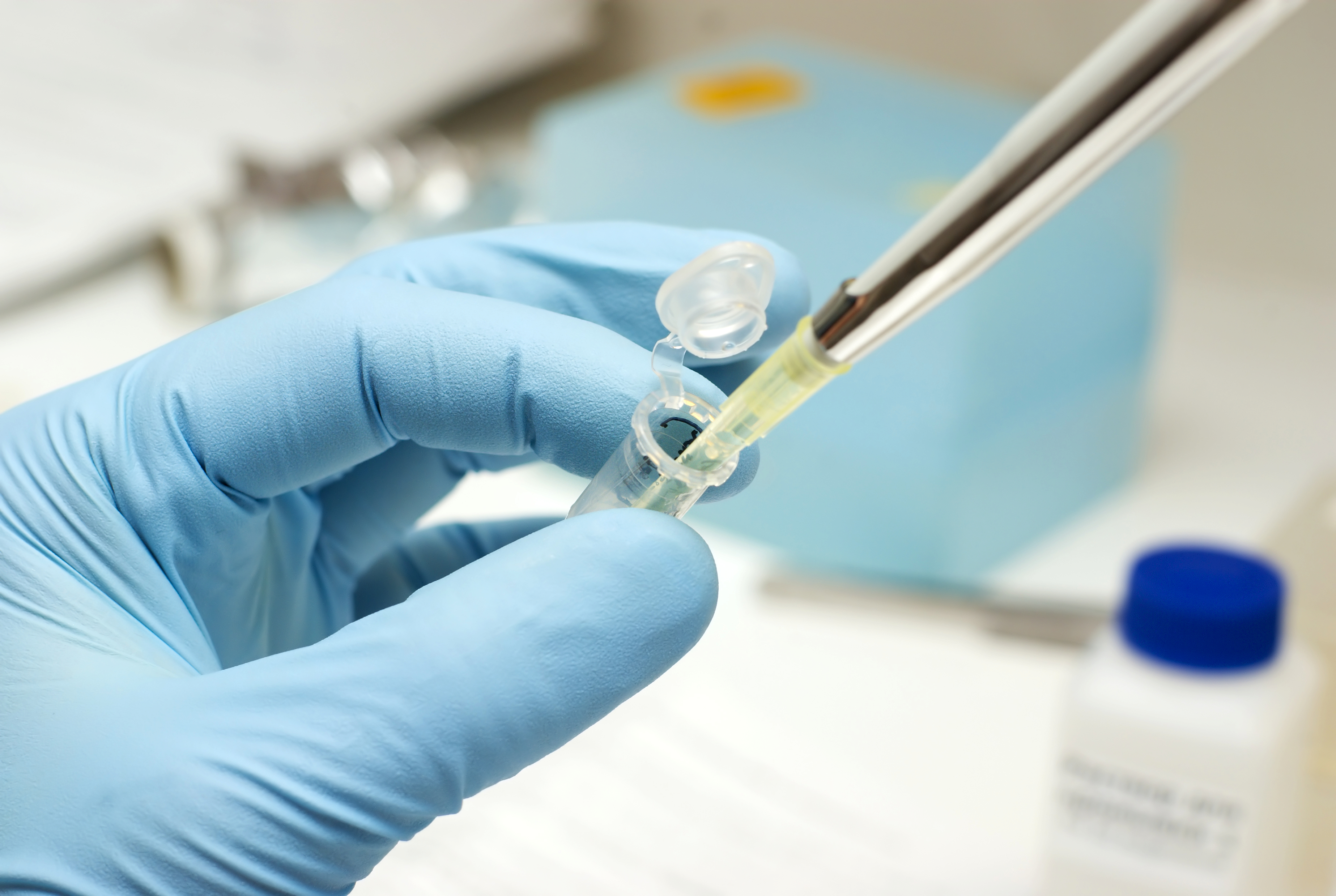
Detergent for Cleaning Serofuges
Q. We would like a list of mild detergents that could be used for cleaning serofuges.
A. The serological tubes used in serofuges can have difficult to clean protein residues. These residues are best cleaned by a proteolytic enzymatic cleaner such as Tergazyme.
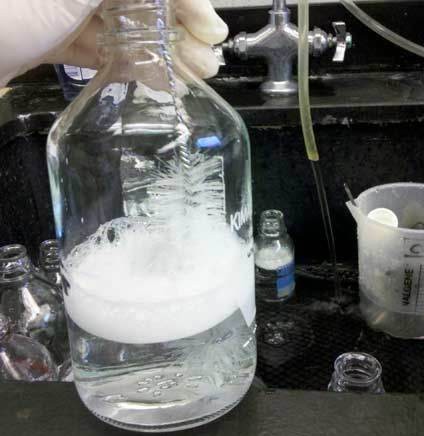
Labware Cleaning Replacement for Dawn
Q. We currently use Dawn dishwashing detergent and I am used to Alconox powder from grad school. I am looking for a cleaner, like Alconox(which may work for my situation), that will remove silicone grease and non-polar chemicals such as oils. I would like it to be able to be used like a dish soap as we soak our glassware for short periods of time. It is importance that the cleaner to be food-grade as we process flavors for food.
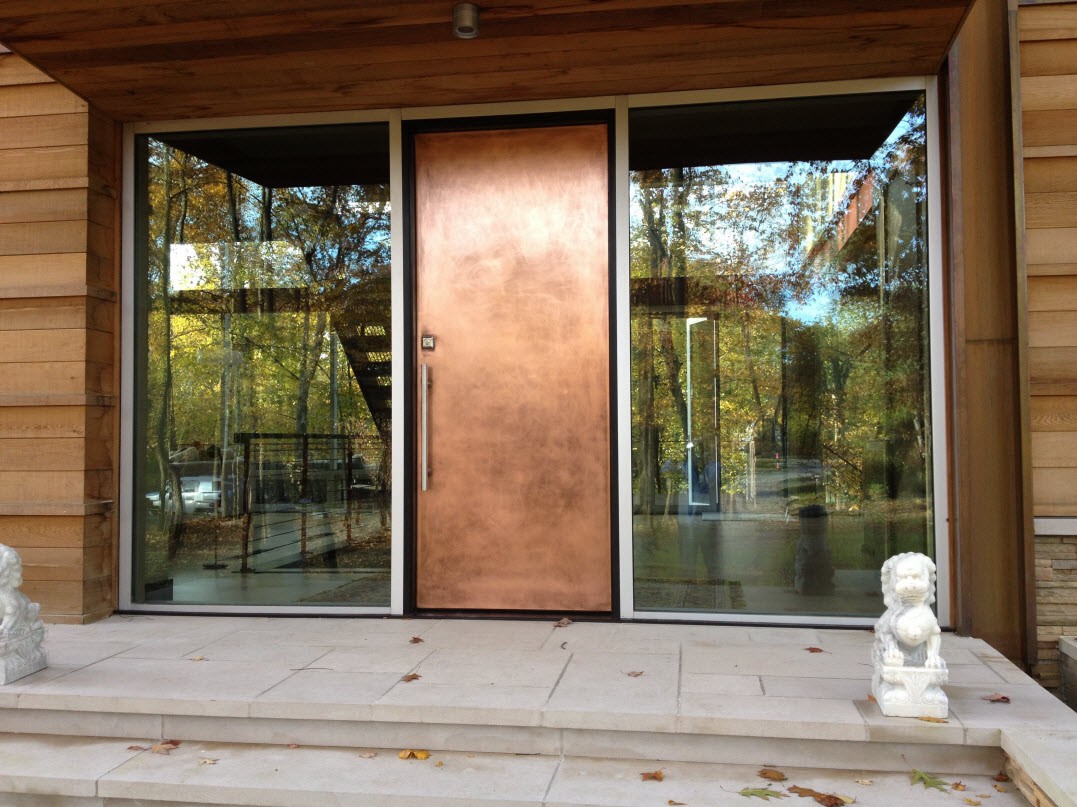
Cleaning Bronze Anodized Metal
Q. We have bronze anodized metal that has water spots/stains on it. So far we’ve only tried denatured alcohol, but we’re looking for a new cleaner. We install store front metals and doors and often we receive our metal extrusions with these spots. We currently have a very large order that has to be installed quickly and need a quick cleanup that we can use on the job site.
A. To remove water spots and stains on anodized metal surfaces, clean with a 2% Citranox solution (20 mL/L or 2.5 oz/gal) by wiping down the surface. Rinse with …
