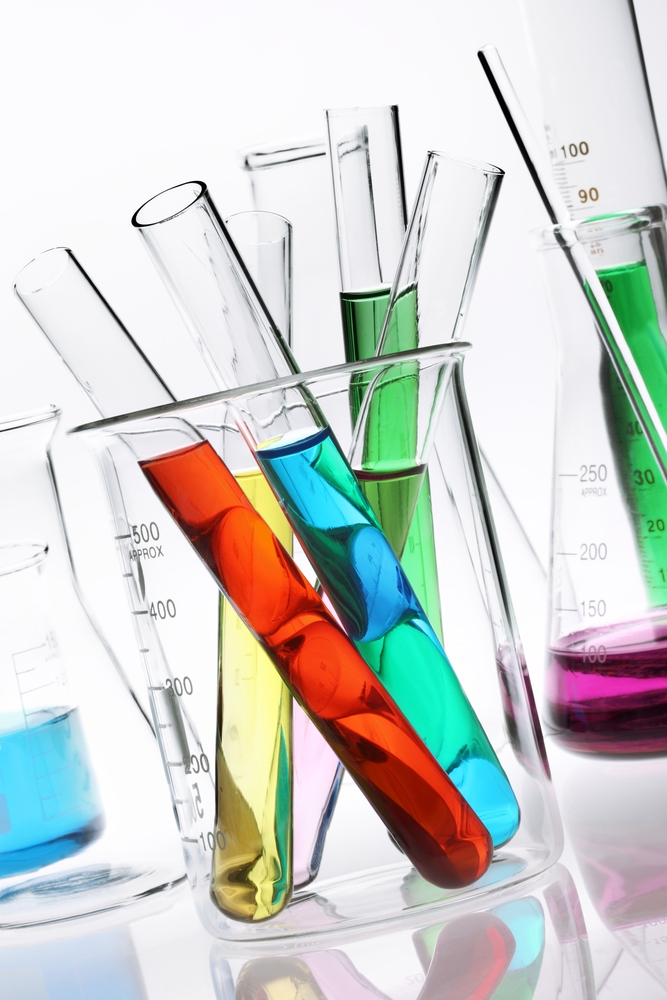
Medical Device Cleaning Validation References
Q. What medical device information is in the Medical Device Cleaning Validation References?
A. The Medical Device Cleaning Validation References for Alconox Detergents contains information about identifying residues, selecting a residue detection method, selecting a sampling method, setting residue acceptance criteria, and more.
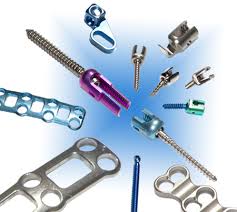
Medical Device Cleaning – Automated Machine Detergent
Q. We are looking to use Liquinox in an automated cleaning machine. The cleaner would be agitated ultrasonically and pumped to/from the storage tank by magnetic drive pumps. We are worried that the Liquinox will foam during the transfer by pump. Is this a valid concern? If so, is there an alternative cleaner that we could use in place of the Liquinox?
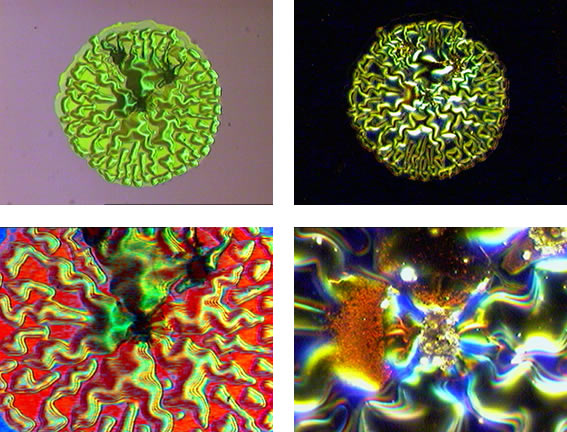
Stripping NiCr-AG-NiCr Coating
Q. To strip NiCr-Ag-NiCr coating, I was preparing a solution @4% of Cerium Ammonium Nitrate (C.A.N.)and I added Citrajet @1% to be used as a wetting agent (surface inclined). The addition of Citrajet neutralized completely the effect of the C.A.N; which did not attack the NiCr layers. Can you give me some explanation and which Alconox product I have to use as wetting agent.
A. CAN is a very strong oxidizing agent. Organic functional groups with double bonds, alcohols, benzene rings and ethers are likely to be oxidized by CAN, thereby “neutralizing,” or depleting it, thereby rendering it less effective for stripping coatings. Most wetting agents have organic functional groups that will be oxidized by CAN, including Citrajet.
Cleaning Glassware Exposed to Sea Water
Q. What is the proper way to clean lab glassware that has been exposed to sea water?
A. Sea water contains a large and variable quantity of salts, biological and organic residues. Lab glassware needs to be free of any of these residues to avoid interference in research involving sea water. Sea water would not particularly present challenges beyond the normal array of residues that lab glassware sees in the wide variety of types of lab glassware that Alconox, Inc. laboratory detergents are used to clean. A standard cleaning protocol will work fine.
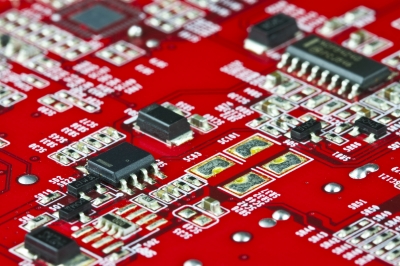
Electronics Cleaning – Kovar
Q. What is Kovar? What cleaner would be recommended to clean Kovar?
A. Kovar is made up of 29% nickel, 17% cobalt, .2% silicon, .3% manganese and 53.5% iron. Kovar is known for its low coefficient of thermal expansion. Kovar end uses are usually glass sealing in the electronics industry.
