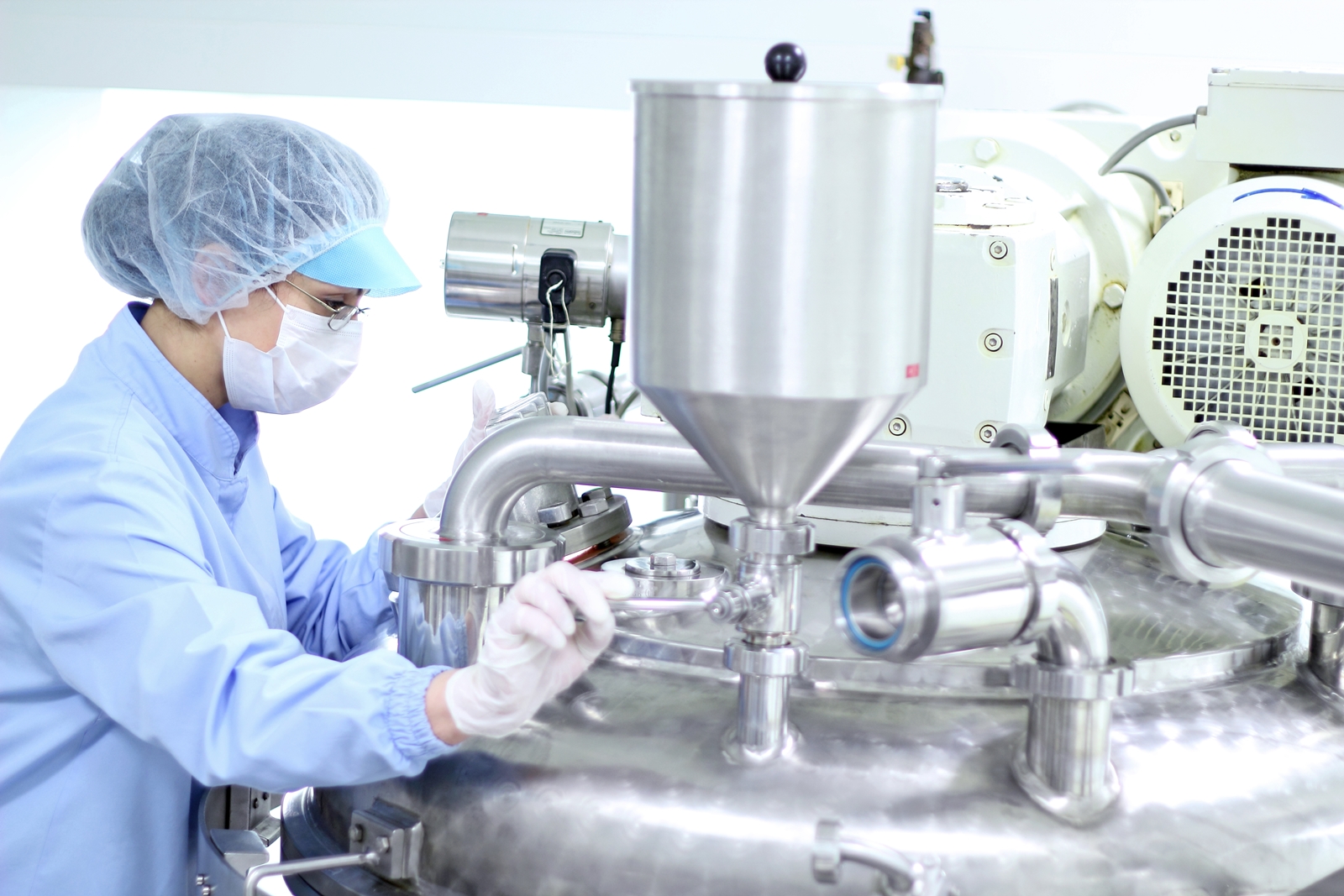
Cleaning Protein in Pharmaceutical and Biotech Manufacturing
Q. How do you remove protein out of pipes, centrifuges and tanks in a CIP environment with water temperatures averaging 20C?
A. In a cooler temperature environment, consider adding an enzymatic cleaner to your alkaline/acidic CIP routine. A product like Tergazyme® Enzyme-Active Powdered Detergent, which contains both protease and surfactants, is not only efficient at removing the biofilm, but will also slow down the formation of biofilm and allow the regular cleaning cycle to clean effectively for more cycles.

Do Your Cleaners Have Animal Origins?
Q. Does Alconox or any other recommended detergent have animal origins?
A. No. All Alconox, Inc. detergents are free-rinsing, biodegradable and contain no animal derived or genetically modified organism ingredients.
Labware Cleaning: Pre-soaking Pipettes
Q. Why is it important to pre-soak pipettes in 1% Alconox or Liquinox before washing in pipette siphon washer with Alcotabs?
A. The most common problem in pipette cleaning is residues that dry on after use and prior to cleaning. This problem is attributed to the failure to pre-soak the pipettes immediately after use. Our technical experts at Alconox recommend placing soiled pipettes in 1% Alconox or Liquinox solution immediately. Learn More.
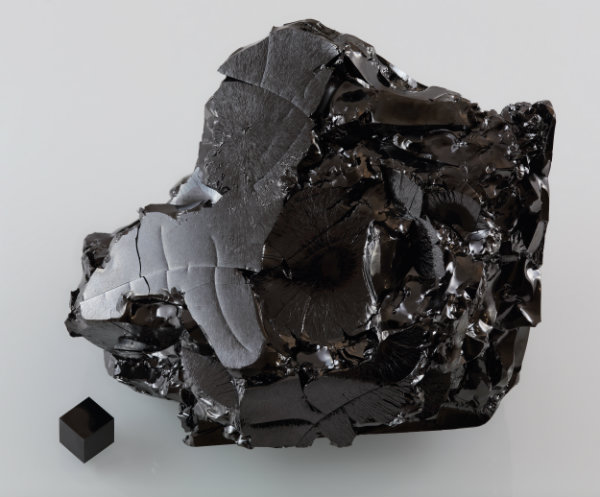
Cleaning Carbon Deposit Swirls On Alumina Parts
Q. Our parts, made of 99.5% alumina, have carbon deposits that show up after our brazing process. We do not use a flux for our ceramic parts; we high-temp fire a moly/manganese painted paste onto the ceramic. The part is then sent out for nickel plating to prevent corrosion of the moly manganese metallization areas. The next step is our brazing.
We are not seeing any spots on the parts before brazing, but as we continue through 5 brazing cycles and braze in a hydrogen/Nitrogen furnace with the cusil braze rings, we see black spots forming that show up as high-carbon deposits with the SEM data…
Minimum Detergent Concentration?
My question is related to a minimum detergent concentration. We manually wash labware of all sizes in 0.3% Liquinox solution. We also pre-wash or pre-rinse the labware and control our parts load. We rarely have failures. We want to change our protocol to extend the wash water use for one day instead of based on a numerical parts load. Do you think a 0.3% Liquinox concentration is sufficient detergent capacity to go an entire day?
