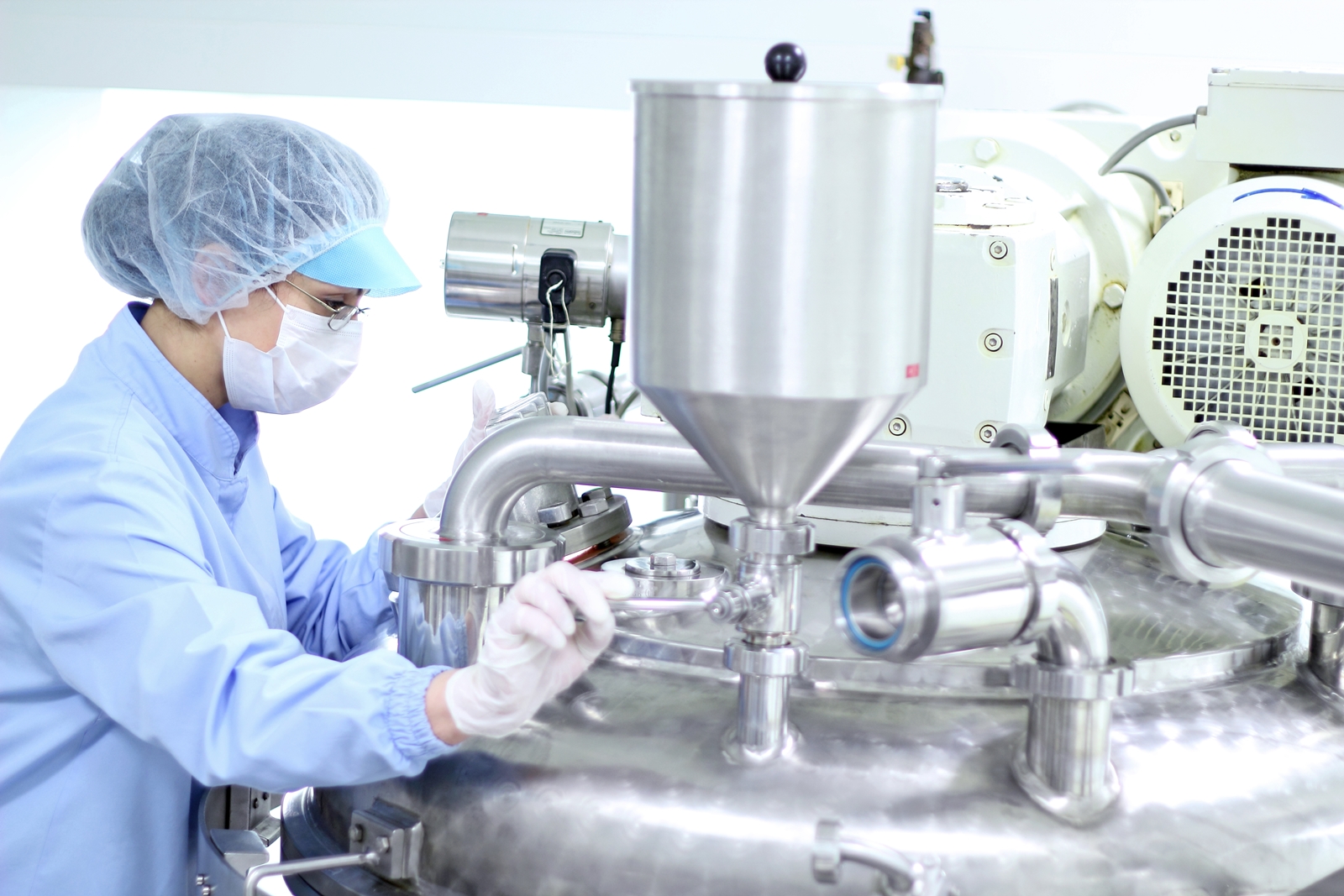
Cleaning a Dry Powder V-Mixer
We are cleaning a V Mixer made of NSF Stainless steel and we are using it to mix different protein powders, amino acids, and herbs for dietary supplements. It is small enough to be cleaned by hand but not small enough for any type of sink. I was advised to buy your Citranox product. Is that the best detergent for this job?
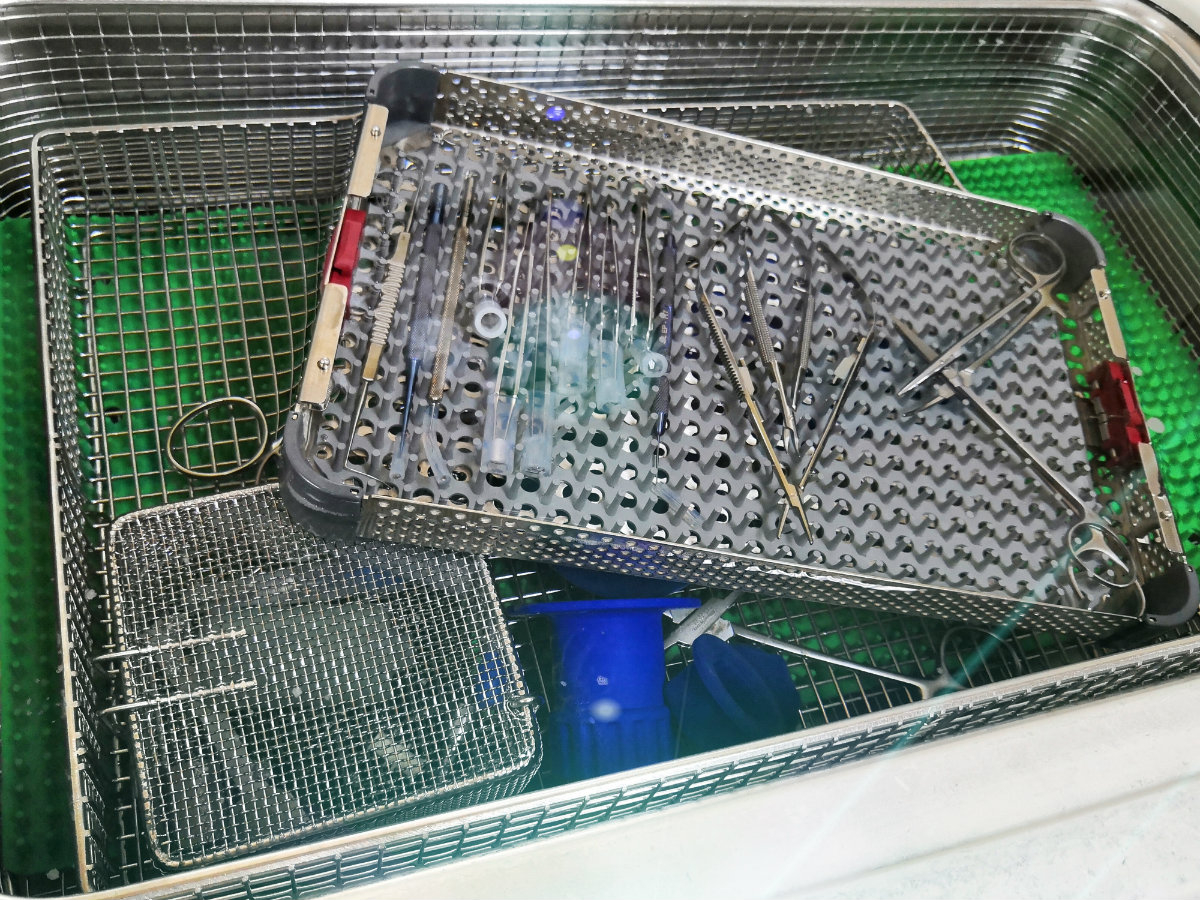
Industrial Ultrasonic Cleaning 101
Find answers to questions such as: What is ultrasonic tank cleaning? Which industries employ? What Alconox brands are ideal for ultrasonic tank cleaning?
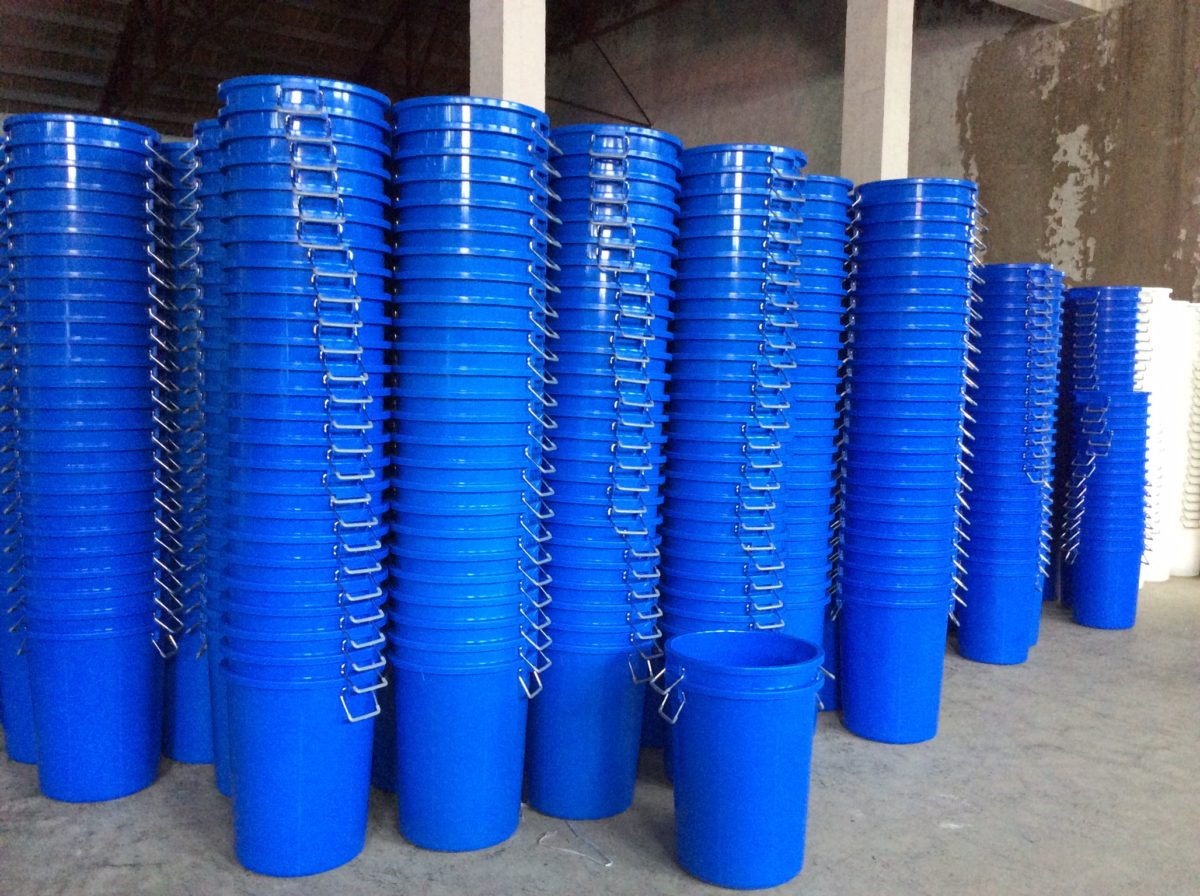
Ensuring Accurate Formulation of Liquinox Detergent
Q. I am a validation manager and we use Liquinox in multiple pieces of equipment across our manufacturing site. While witnessing our cleaning, I noticed the dilution instructions are not being followed. Instead, operators are adding some squirts/pumps/pours from the bottle into a bucket with purified water. Does Liquinox have a range of effective concentration? Do you have auto-mix ideas or other dosing solutions for customers facing this issue of accurate formulation?
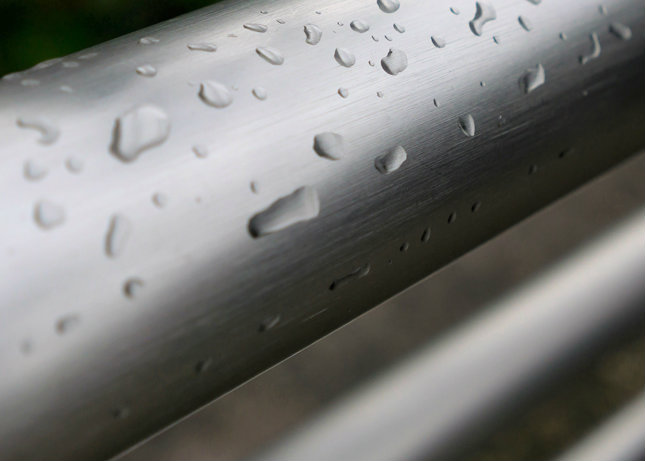
Water Spots on Stainless? Improve Blowing Process
Q. White spots appear on our stainless steel parts the day after cleaning with Alconox. Right after we clean them, they are dry and visually clean. So, is this next-day residue from the Alconox detergent? If not, can you tell us why this is happening? A. It is fairly unlikely that visually clean parts have Alconox residues suddenly appearing the next day. In addition to Alconox being free rinsing, any residue that did not get rinsed for whatever reason, would be visible fairly immediately.
Most people in similar situations, even though the parts appear “dry and visually clean,” find that the spots are from water.
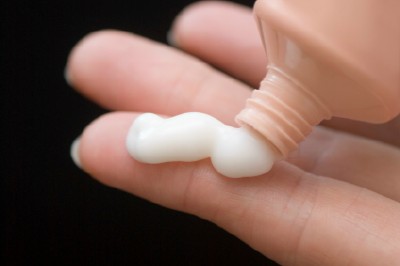
Clean Salicylic Acid Lotions From Equipment
Q. What can be used to manually clean salicylic acid lotions, creams, emulsions from manufacturing equipment?
A. In general salicylic acid is best cleaned by sodium phosphate or alkali citrate salt containing cleaners. Lotions and creams are often best cleaned by high alkaline cleaners.
