Lab/glassware-washer Connectors
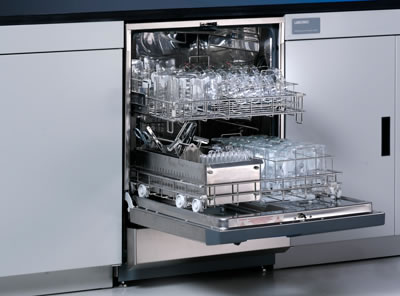
Q. It is not unusual for lab/glassware-washer manufacturers to make custom connectors specific to their brand of detergent (with unique bottle dimensions) to the machine. Does Alconox provide these connectors?
A. Unfortunately we are usually unable to supply a bottle that fits the connections because they bottles are made from custom molds that are not commercially available. The way some customers use our cleaners in these washers . . . Read More.
Maximum Wash Temperature for Liquinox
Q. What is the maximum wash temperature for Liquinox? At this maximum temperature is there an accelerated breakdown of detergent?
A. Liquinox is heat stable all the way to boiling at standard temperature and pressure conditions. From a practical standpoint, there are some detergency mechanisms that begin to break down mechanistically as you approach boiling. Emulsions begin to become less stable as you approach within a couple degrees of boiling. If emulsifying is not a critical cleaning mechanism, this may not be relevant to you.

Cleaning Glassware Exposed to Sea Water
Q. What is the proper way to clean lab glassware that has been exposed to sea water?
A. Sea water contains a large and variable quantity of salts, biological and organic residues. Lab glassware needs to be free of any of these residues to avoid interference in research involving sea water. Sea water would not particularly present challenges beyond the normal array of residues that lab glassware sees in the wide variety of types of lab glassware that Alconox, Inc. laboratory detergents are used to clean. A standard cleaning protocol will work fine.
Substitute for Extran® AP15 detergent ?
Q: Is there a substitute for discontinued liquid cleaner Extran® AP15 for use in automatic washers?
A: Yes we do! Solujet® Low-Foaming Phosphate-Free Liquid detergent is an ideal substitute. Solujet detergent is a highly alkaline detergent containing potassium hydroxide, silicate of soda, and high wetting surfactants. These high wetting surfactants enhance emulsifying, wetting, and dispersing. The surfactants also allow …
Effects of Increased Tergazyme Concentration
Q. Currently we allow parts to soak in 1% Tergazyme® enzyme-active powdered detergent overnight. If we were to increase the concentration to 3-4%, do you think it would increase the stability of the solution being active for a longer period of time?
A. You will both increase the rate of auto-digestion due to increased enzyme concentration