Published: February 23, 2026
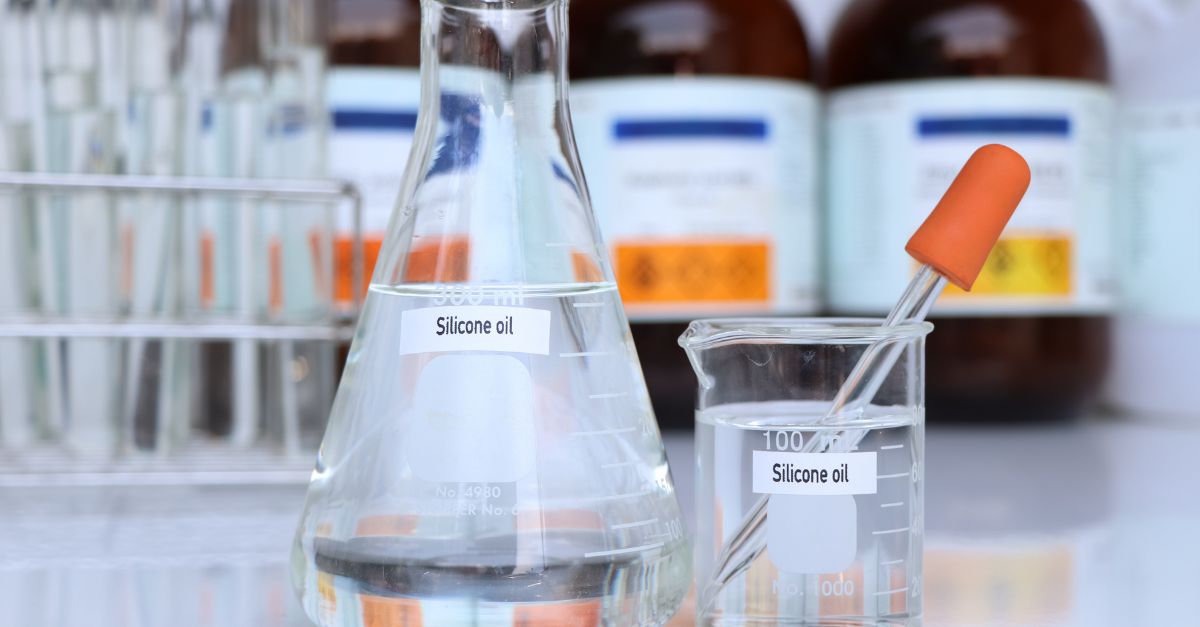
Q: We need to remove dimethicone (silicone oil) from laboratory glassware in our ultrasonic. Can we use a 1-2% solution of Alconox or Liquinox at 60°C, or do we need different conditions for effective silicone oil removal?
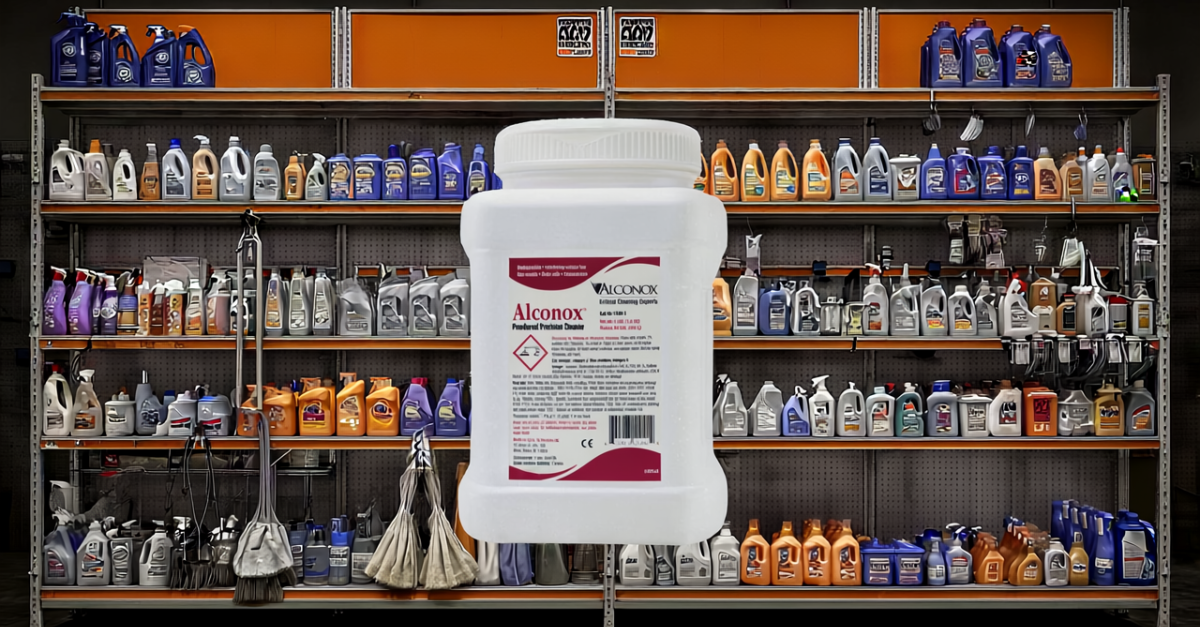
A: Successfully removing silicone oils from laboratory glassware requires understanding both the chemistry of these tenacious residues and the critical role of temperature and concentration in the cleaning process. While both Alconox® Powdered Precision Cleaner and Liquinox® Critical Cleaning Liquid Detergent can remove lower viscosity silicone oils, the specific conditions matter.
One of our very best emulsifiers is Detonox® Ultimate Precision Cleaner and should be considered. More on that below. What is Detonox detergent?
First, let’s clarify the pH characteristics of these detergents. Liquinox operates at pH 8.5, making it essentially a neutral detergent. Alconox detergent, at pH 9.5, is more alkaline but still considered mild. Detonox detergent is pH 10.5, and is considered moderate alkaline. All can address silicone oils, via emulsification. Alconox and Detonox provide a bit more alkaline hydrolysis to help break down the silicone polymer chains, and chelation, while Liquinox relies more heavily on emulsification.
The critical factor for silicone oil removal is temperature. You’re absolutely right to consider cleaning temperature. A cleaning temp of 60°C is likely the bare minimum temperature we would recommend for effective silicone oil emulsification. Below this temperature, emulsification of silicone oils is incomplete at best, regardless of which detergent you choose. The heat reduces the viscosity of the silicone oil and enhances the detergent’s ability to surround and suspend the molecules in micelles. Higher temperature of 70 or 80°C would see vast improvement in cleaning time and efficacy.
For silicone oils, we recommend using a higher concentration than the standard 1-2%. Silicone oils are particularly challenging because they’re poorly emulsified even under optimal conditions. We suggest using 3-5% concentration of either Alconox, Detonox, or Liquinox detergent. This higher concentration provides additional surfactant molecules to ensure complete emulsification of the silicone residues. Think of it this way—you need enough surfactant present to completely surround all the silicone oil molecules and keep them suspended in solution rather than allowing them to redeposit on the glass surface.
For standard, lower-viscosity silicone oils like dimethicone used in pharmaceutical applications, this combination of 3-5% detergent concentration at 60-70°C or higher should provide effective removal. If you’re dealing with higher viscosity silicone oils or silicone greases, however, you’ll need to consider Detonox detergent, which is specifically formulated for these kinds of more challenging, difficult residues.
The cleaning process should include adequate contact time—typically 10-20 for these COP applications, or as appropriate for your cleaning method whether it’s ultrasonic, manual scrubbing, or soaking (note without mechanical action from either sonication or scrubbing extended times and heat could be required). Follow with thorough rinsing at a temperaturea pproximately the same as your wash solution to prevent the silicone from breaking out of emulsion from thermal shock and redepositing.
One practical tip: if you’re validating this cleaning process, consider testing all three detergents at the recommended 3-5% concentration (or whichever is currently available at your lab). While all should work effectively at the proper temperature and concentration, you might find one performs slightly better with your specific silicone oil formulation and cleaning equipment, setup, conditions, instruments, conditions, etc.
The choice might ultimately depend on other factors in your process, setup, instruments or conditions such as material compatibility, QARA/formulation stipulations, or the presence of other residues that need simultaneous removal.
Get Exclusive Discounts and Cleaning Tips
Get discounts only available to our newsletter subscribers along with useful cleaning tips from our scientists.
Do you have a critical cleaning question for the experts at Alconox, LLC? Search TechNotes to see if it’s been answered before or Ask Alconox.
To request any Alconox, LLC detergents for free, please complete the questionnaire at Get Sample. For more information about any one of our Alconox, LLC detergents, consult the technical bulletin for each product. Or click here to access each of our detergent’s Safety Data Sheets
For detailed technical information, consult the technical bulletins for:
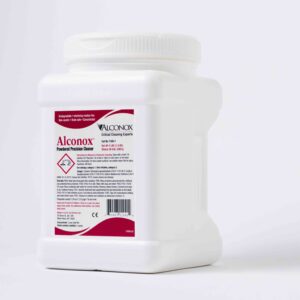
Alconox is a concentrated, anionic detergent for manual and ultrasonic cleaning. Free rinsing to give you reliable results without interfering residues. Ideal for cleaning contaminants from glassware, metals, plastics, ceramic, porcelain, rubber and fiberglass. Excellent replacement for corrosive acids and hazardous solvents. USDA authorized. Dilute 1:100. pH 9.5
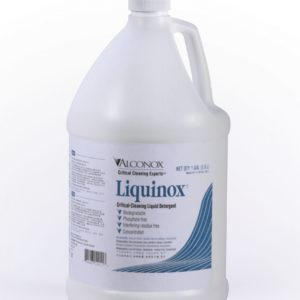
Liquinox is a concentrated, anionic detergent for manual and ultrasonic cleaning. Free rinsing to give you reliable results without interfering residues. Extremely mild and completely soluble in hard and soft water. USDA authorized. Dilute 1:100. pH 8.5
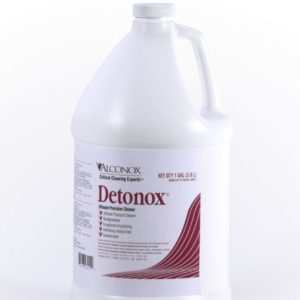
Detonox is a non-caustic detergent for exceptional removal of botanical, cosmetic, and pharmaceutical polymers, sticky extracts, resins, creams and lotions. Concentrated, highly emulsifying and penetrating formula is free rinsing, and leaves no residues.
Have a clarifying question? Submit it here. cleaning@alconox.com