
Cleaning Eudragit NE30D and Eudragit E100
Q. We are a oral dosage pharmaceutical and are having some cleaning issues with our coating pans after using 2 different type of Eudragit. Eudragit NE30D is probably the most difficult and our most urgent one to clean, the other is Eudragit E100 (Amino methacrylate copolymer). Do you have any suggestions or recommendations? Also I would be very interested in the validated residual methods that you have on these products.
A. The film residues from EUDRAGIT® NE 30 D polymers are neither soluble in acid nor in alkali. They can, however . . .
Cleaning Glass Mold in an Automatic Machine
Q. I am looking for a Non-Caustic, Low Foam cleaning agent, preferrably in aqueous solution to be applied in an automatic in-line glass cleaning molds washer machine, 100 psi spray nozzels, 150F, 8 minutes total cleaning-rinse-dry cycle time, running 10 hours a day continuous; our application is for manufacturing of optical components. Glass molds we are cleaning in this washer machine have traces of cured acrilic monomer only, but must be tottaly cleaned with out damages (scratches per chemmical attac) over the critical side.
A. Citrajet is a non-caustic, non-foaming (at elevated temperatures) detergent that is suitable for use in an inline washer. Citrajet is a mild citric acid based cleaner that will etch much less than a caustic cleaner would.
Bromine in Alconox
Q. Is there a trace of bromine in Alconox?
A. There is a typical trace content of 35 ppm bromine. Most, if not all of that bromine, is in the form of bromide. Downloadable Trace Analysis Certificates are available for all Alconox brand products.
Water Hardness and Alconox Texture
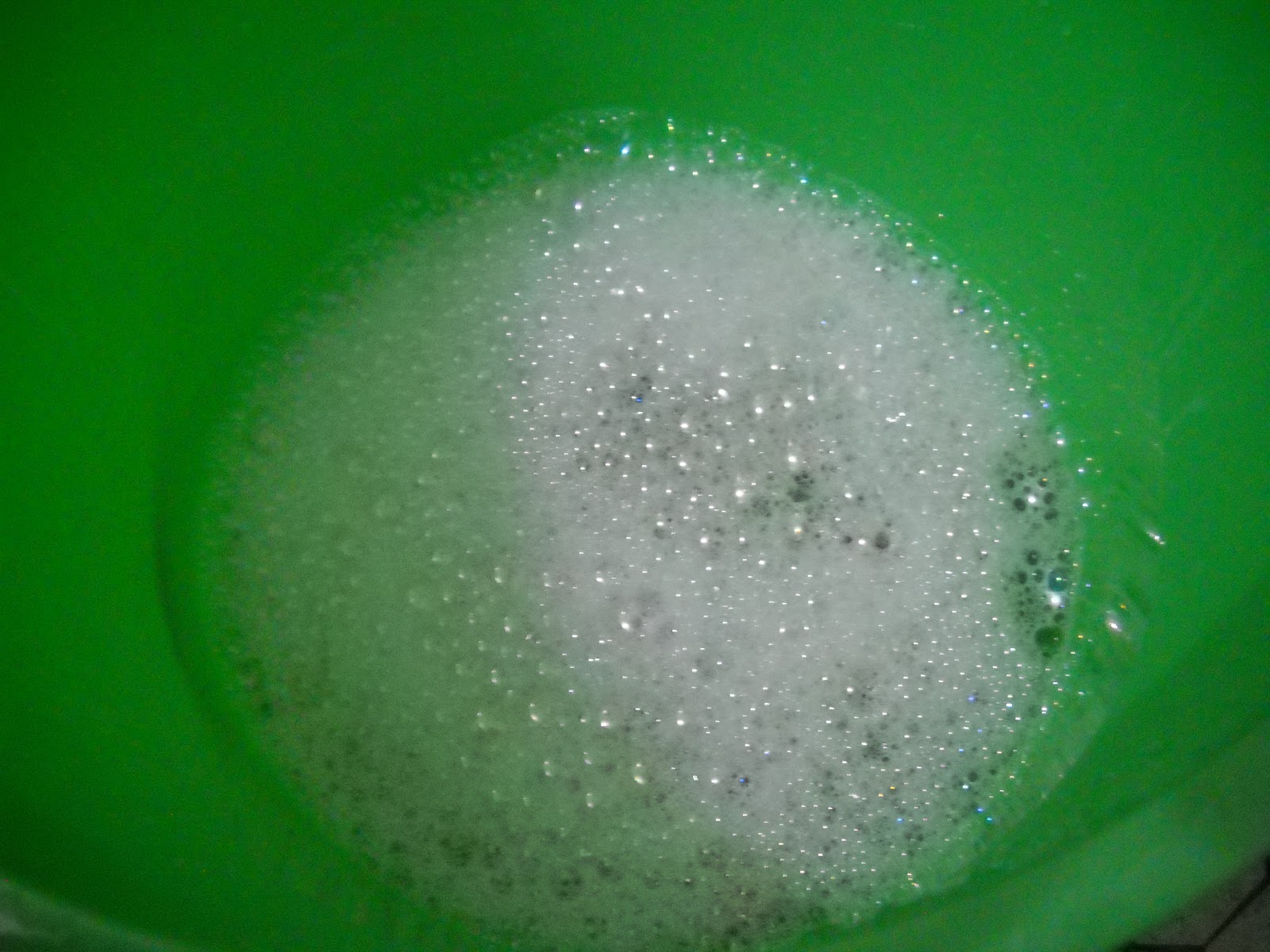
Q. We have had a customer call and say the product is not “sudsy & slimy” like it usually is.
A. Variations in normal water hardness will not impact the detergency of Alconox, but they can change the foam and feel of a solution. If the client has had any change in the hardness (amount of calcium and magnesium in the water) of their water used to make solutions, this can cause changes in the “slipperyness” and foaminess of the solution. Harder water will make less foam because the calcium and magnesium ions in the water form insoluble dodecylbenzene sulfonate soaps that must be dispersed and emulsified by the cleaner, thereby depleting available foam making ingredients.
Clean in Place Instructions
If it is too costly and time-consuming to dissasemble large manufacturing filtration systems or tanks, mixers and blenders for cleaning, consider clean in place.
