Combining Aqueous Detergents
Q. We are currently cleaning using 3% Detergent 8, 2% Citranox and 2% Liquinox in separate wash cycles with rinse cycles after each wash cycle. Would there be any issues if I combined the three detergents (using the same concentrations) into one wash cycle?
A. We do not recommend combining detergents. These detergents have different cleaning mechanisms . . . Read More.
Detergent 8 vs. Alconox
Q. What are some differences between using Alconox or using Detergent 8 to remove oily residues from stainless steel?
A. Detergent 8 is slightly better at removing oily organic residues, natural ester oils and rosins. However, Alconox is better on particulates and inorganic residues than Detergent 8. Alconox is also effective on …
Cleaning Semiconductor Equipment
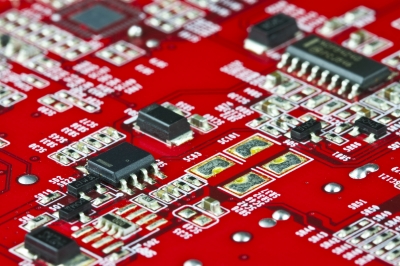
Q. We’re getting some residue from foaming of detergent on our semiconductor handling equipment.
A. To clean semiconductor handling equipment in electronics, use a warm 3% Detergent 8 (30 mL/L) solution followed by a deionized water rinse to clean the equipment. Detergent 8 is free of any metal ion ingredients such as sodium that can dope a semiconductor.
Cleaning Electronic Parts for High-Voltage Applications
Q. How can I clean electronic parts and assemblies for extremely high-resistance and/or high-voltage applications?
A. I recommend you clean with the product Detergent 8. Detergent 8 is an ion-free cleaner that cannot leave a conductive detergent residue. You use Detergent 8 at a 2-5% dilution (2.5 oz/gal to 6.5 oz/gal) depending on how you are using it. For soaking use 5%, for ultrasonic tanks use 3% and for pressure spray washing use 2%. Rinse thoroughly with deionized water after cleaning.
Cleaning Aluminum without Corrosion
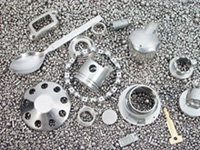
Q. How is galvanic corrosion prevented when cleaning aluminum?
A. Aluminum is an active metal that is somewhat high on the “anodic index” of the galvanic series. If aluminum is cleaned with other metals present, you can create a battery and get galvanic corrosion. Aluminum should not be cleaned in the presence of metals that are significantly higher or lower on the anodic series; higher on the anodic scale such as zinc, magnesium or beryllium metals and lower on the anodic scale such as tin, brass, bronze, copper, silver, nickel and rhodium.
