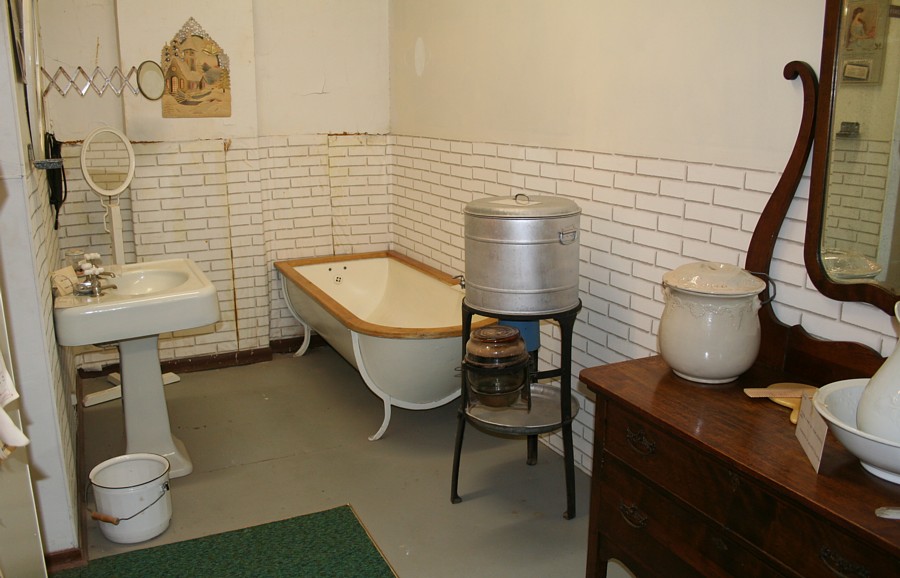
Alconox Detergent for Antique Sink Restoration
Q. I work at a museum and my current project is to remove both oxidation of copper and what I assume are residues from calcareous water from a valuable, antique sink. From the XRF-analysis, I have identified the sink as having a copper base with a zinc-nickel plating. My primary concern is that I need to preserve the “used” and dull appearance on the sink and not achieve a shiny, “like new” result.
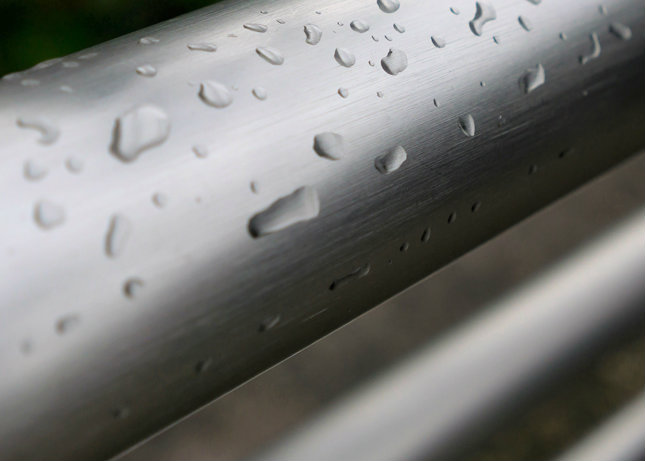
Water Spots on Stainless? Improve Blowing Process
Q. White spots appear on our stainless steel parts the day after cleaning with Alconox. Right after we clean them, they are dry and visually clean. So, is this next-day residue from the Alconox detergent? If not, can you tell us why this is happening? A. It is fairly unlikely that visually clean parts have Alconox residues suddenly appearing the next day. In addition to Alconox being free rinsing, any residue that did not get rinsed for whatever reason, would be visible fairly immediately.
Most people in similar situations, even though the parts appear “dry and visually clean,” find that the spots are from water.
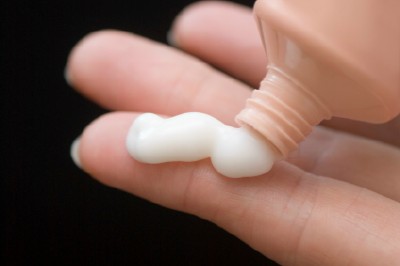
Clean Salicylic Acid Lotions From Equipment
Q. What can be used to manually clean salicylic acid lotions, creams, emulsions from manufacturing equipment?
A. In general salicylic acid is best cleaned by sodium phosphate or alkali citrate salt containing cleaners. Lotions and creams are often best cleaned by high alkaline cleaners.

Do Your Cleaners Have Animal Origins?
Q. Does Alconox or any other recommended detergent have animal origins?
A. No. All Alconox, Inc. detergents are free-rinsing, biodegradable and contain no animal derived or genetically modified organism ingredients.
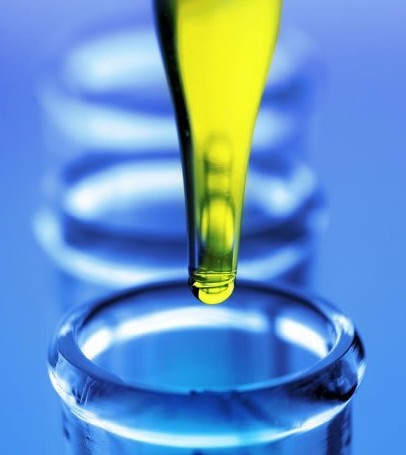
Labware Cleaning: Pre-soaking Pipettes
Q. Why is it important to pre-soak pipettes in 1% Alconox or Liquinox before washing in pipette siphon washer with Alcotabs?
A. The most common problem in pipette cleaning is residues that dry on after use and prior to cleaning. This problem is attributed to the failure to pre-soak the pipettes immediately after use. Our technical experts at Alconox recommend placing soiled pipettes in 1% Alconox or Liquinox solution immediately. Learn More.
