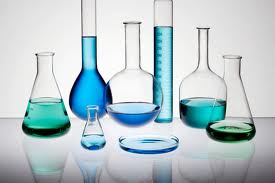
Using pH and Conductivity to Detect Residues
Q. We are in the process of developing a cleaning validation study for our laboratory glassware. The cleaning agent selected was Alconox. We are trying to establish acceptance criteria using the pH method to ensure successful removal of the cleaning agent. We did some trials using a solution made with mixtures of the Di water, which is 1000 ppm to see what it looks like but the results were not clear to me. How about the other method as conductivity? Read The Answer . . .
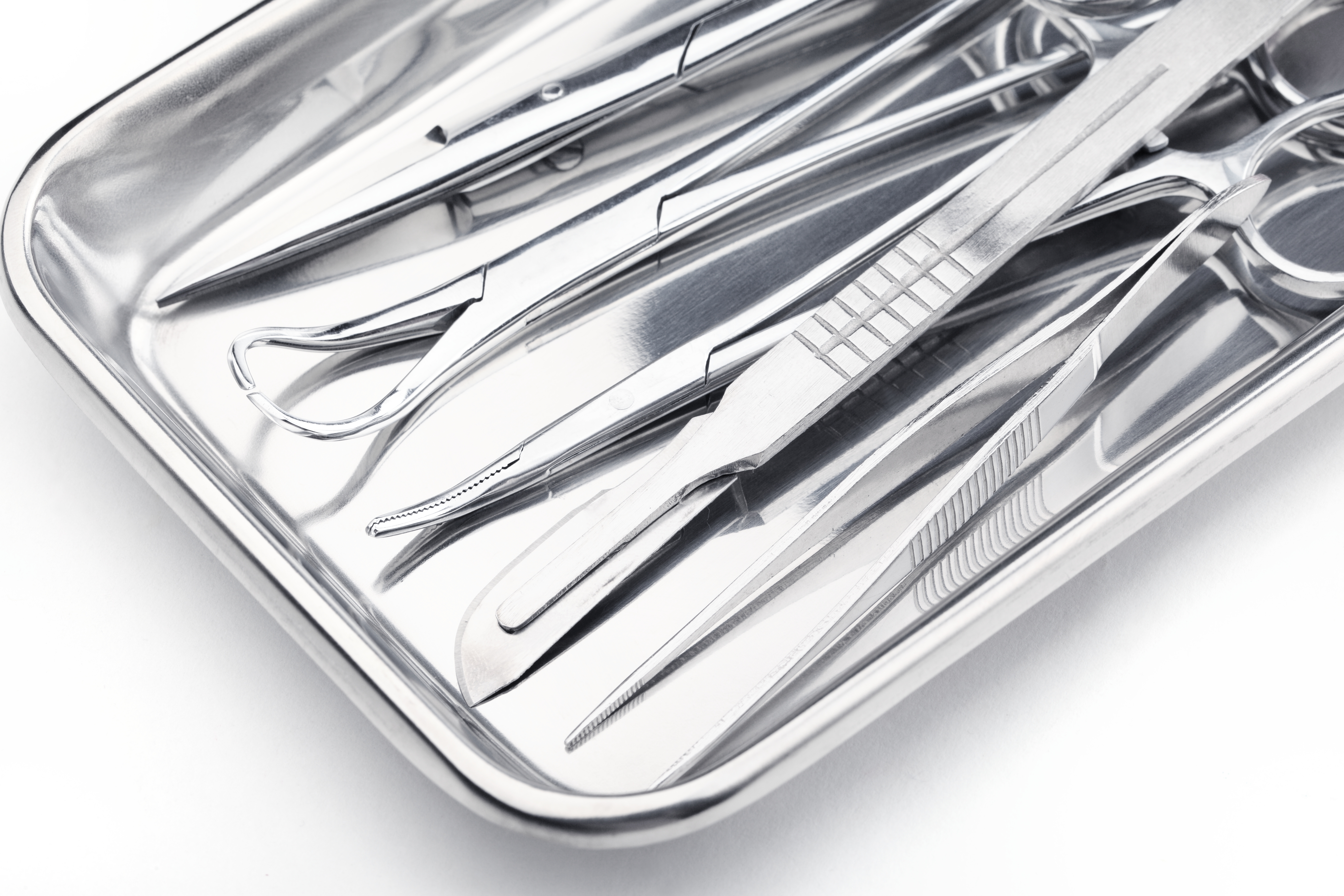
Cleaners to Prepare for Sterilization
Q. What products prepare instruments for sterilization?
A. Use a proper cleaner prior to sterilization. Alconox and Liquinox instrument cleaners are effective and economical manual, ultrasonic or soak cleaners.
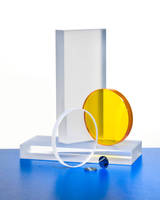
Removing Latex from Optical Cuvette
Q: How do I remove latex particles from an optical cuvette.
A: We recommend you use a warm 1% Alconox detergent followed by a warm water rinse to clean the optical cuvettes.
Alconox, LLC Cleaners listed by the NSF
Q. I need a cleaner that is suitable for cleaning food contact surfaces. A. The following cleaners are authorized for use as general purpose food contact surface cleaners followed by potable water rinse in USDA inspected food plants . . .
TOC Recovery
Q. Why am I getting as high as 170% recovery when using Total Organic Carbon (TOC) with Alconox detergent? A. There are several possible reasons. Learn More.
