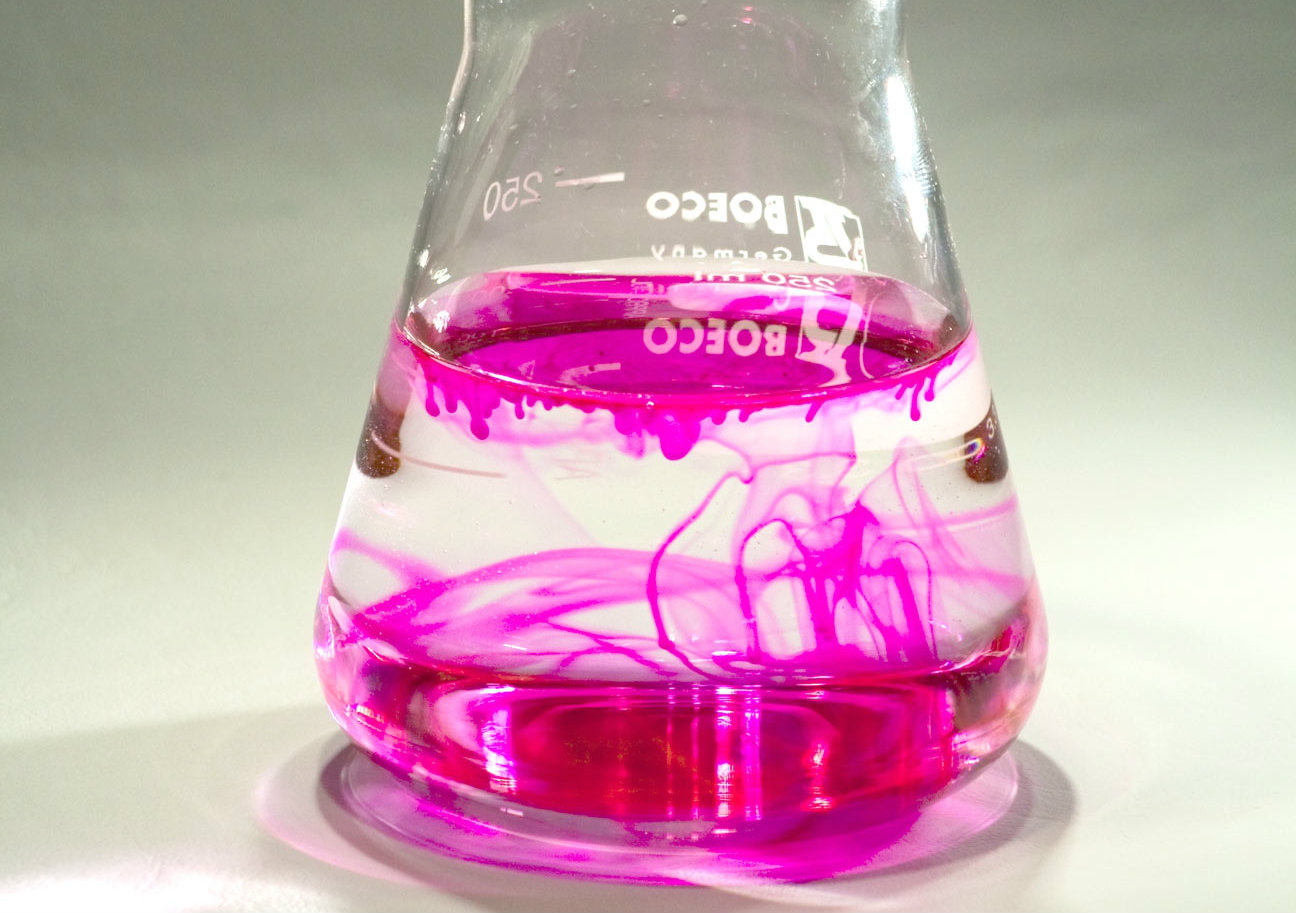
Cosmetics Cleaning: Removing Erythrosine
Do you have a known solution for removing erythrosine from stainless steel? Erythrosine is also known as Red 3 when used as a cosmetic. Sometimes the cleaning is manual, other times it is automated.
Cleaning Iron Residue in Lab Glassware (Fe+2 and Fe+3)
Q. Please provide advice on cleaning iron residues, Fe+2 and Fe+3, in lab glassware. We need to clean down to sub ppm levels.
A. The best iron salt removing detergent for manual cleaning of lab glassware is Citranox®. Citranox is a mild acid, high chelating detergent for high performance removal of…
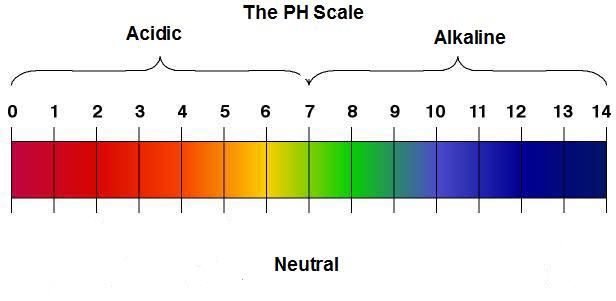
Replacing Hazardous Acids
Q: What can I use to replace hazardous acids below pH 1 cleaning?
A: Depending on exactly what you are using your acid cleaning to do, we may be able to help you.
Medical Device Cleaning and Biocompatibility Data
Q. What types of biocompatibility data does Alconox, LLC provide for detergents commonly used in medical device cleaning validation?
A. Setting residue acceptance limits as part of your medical device cleaning validation is much easier when appropriate biocompatibility data is available about the critical cleaning detergent you are using. To help assess the biological effects of cleaner residues, Alconox, LLC conducted extensive evaluations of biocompatibility of its Liquinox and Citranox detergents.
Cleaning Carbon Tool Steel
Q. How to clean mild tool steel tablet press punches and dies?
A. Mild tool steel, sometimes called S7, will flash rush during rinsing, particularly if you rinse with hot water. All the cleaners that have good chelating agents (all but Luminox and Detergent 8) can safely clean tool steel because the chelating agents tie up the iron oxide and do not let it auto-catalytically expand and form rust.
