
Citric Acid Passivation – A Safe, Effective and Easy Way To Passivate
Surface contamination interferes with formation of protective oxide coating on stainless steel thereby leaving it open to corrosion. The stainless steel needs passivation.
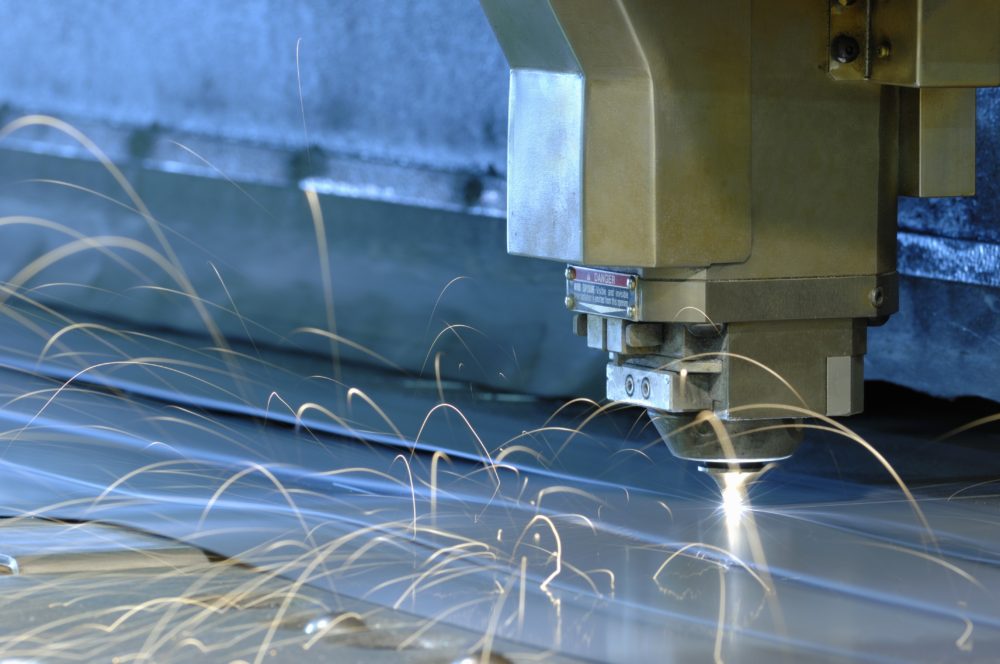
Choosing Ideal Detergent for Cleaning Metal Parts
Q. We are currently writing a protocol for conducting a process validation activity for our cleaning procedures for metal parts after our machining manufacturing process. What are the differences between cleaning effectiveness of Alconox detergent for cleaning various metallic surfaces such as stainless steel, titanium and cobalt chrome? Also, does Alconox detergent effectiveness change based on contamination characteristics, surface geometry or any other factors?
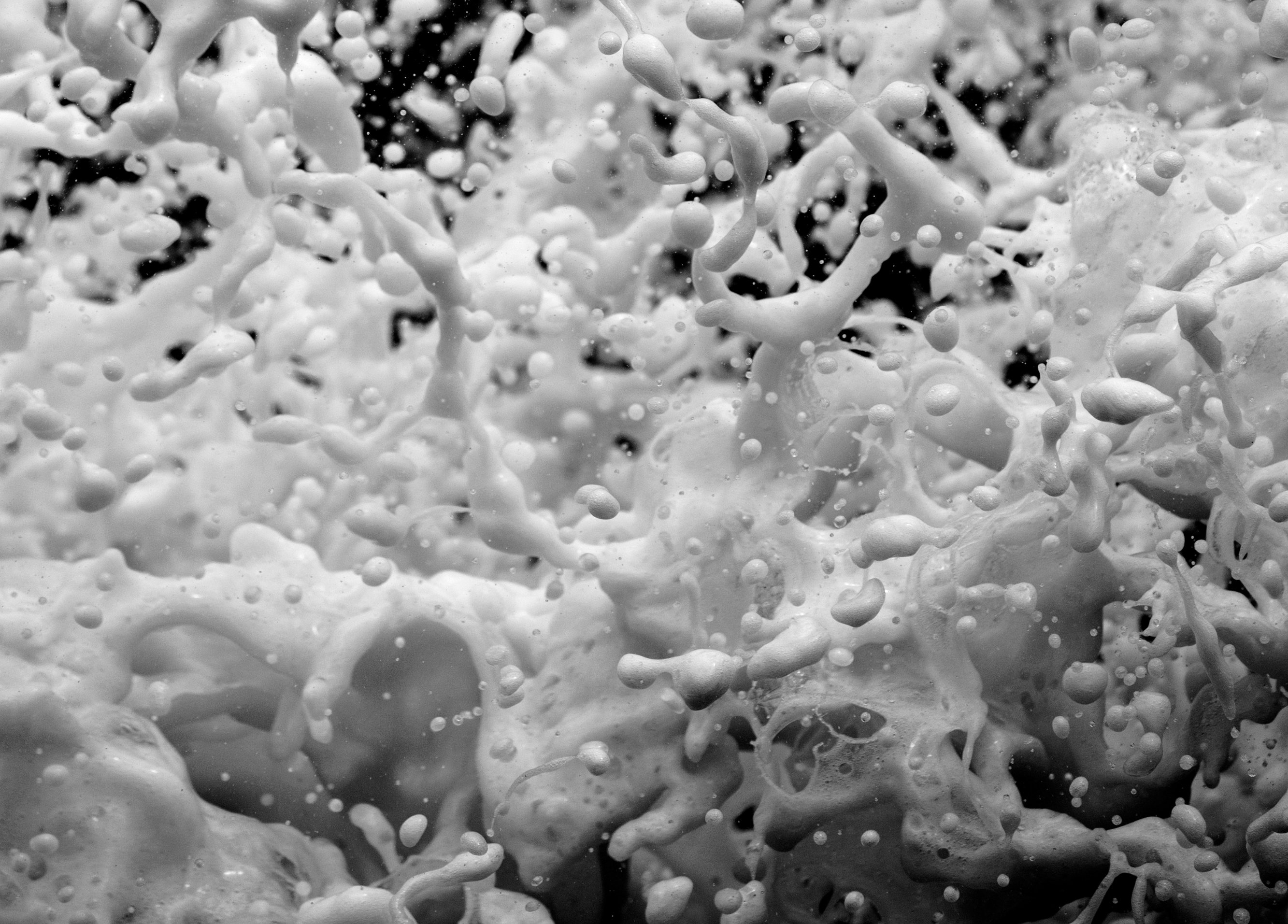
Using High Foam Detergent in an Automated Ultrasonic Cleaning Line
Q. Can we use high-foaming detergents in an automated cleaning line?
A. Yes, but using a high-foam detergent requires a rinse chamber that allows foam to rinse off and drain easily and completely. If the automated line uses initial spray rinsing right after the wash tank
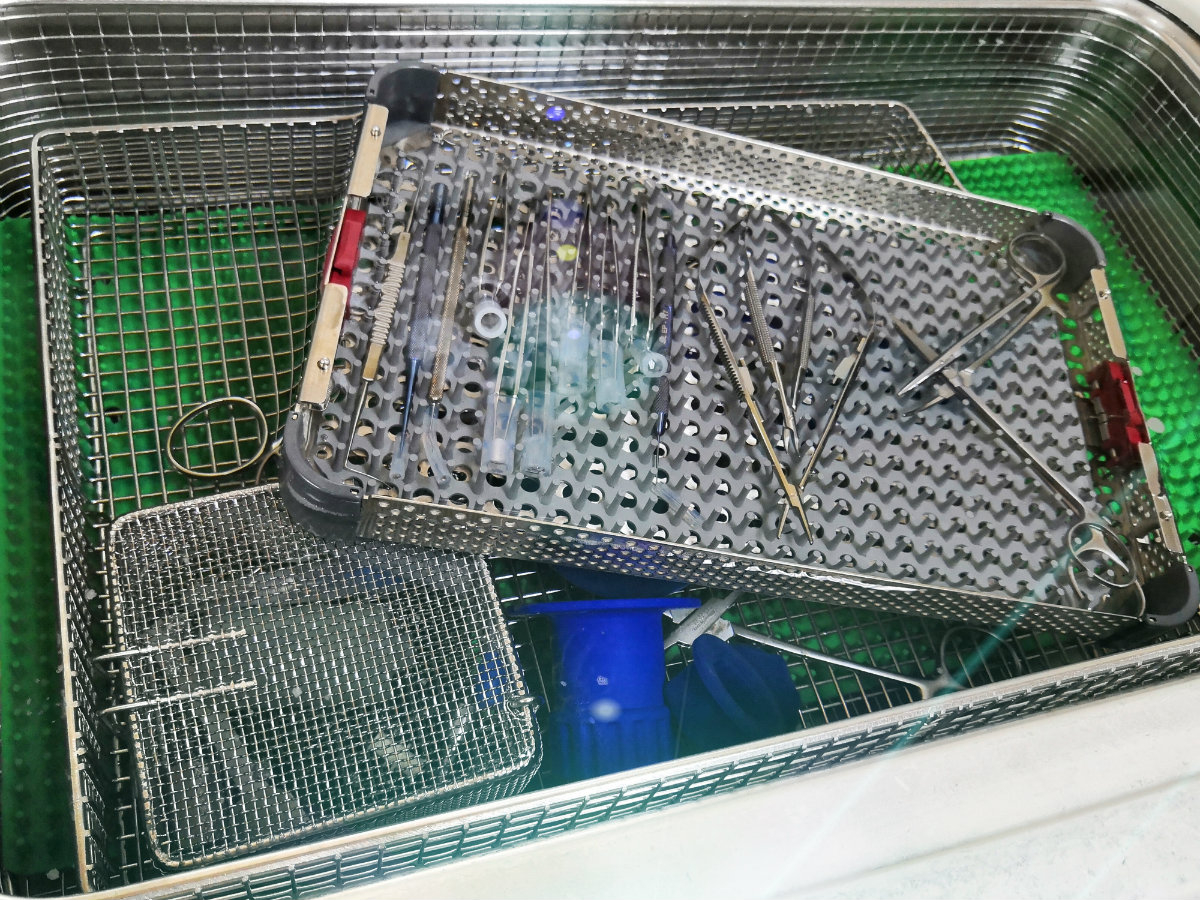
Ultrasonic Cleaning: Detergent Bath Life
Q: We manufacture medical devices. Can we use our Alconox or Citranox bath solution more than once? How do we know that we need to change the solution?
A: For the highest level of cleanliness, you only use a solution once. In general, in a medical device manufacturing and cleaning operation, a detergent bath will typically easily last for 8 hours.
For example, you can make up a fresh Alconox® or Citranox® solution once a day and then verify that the pH has not changed more …
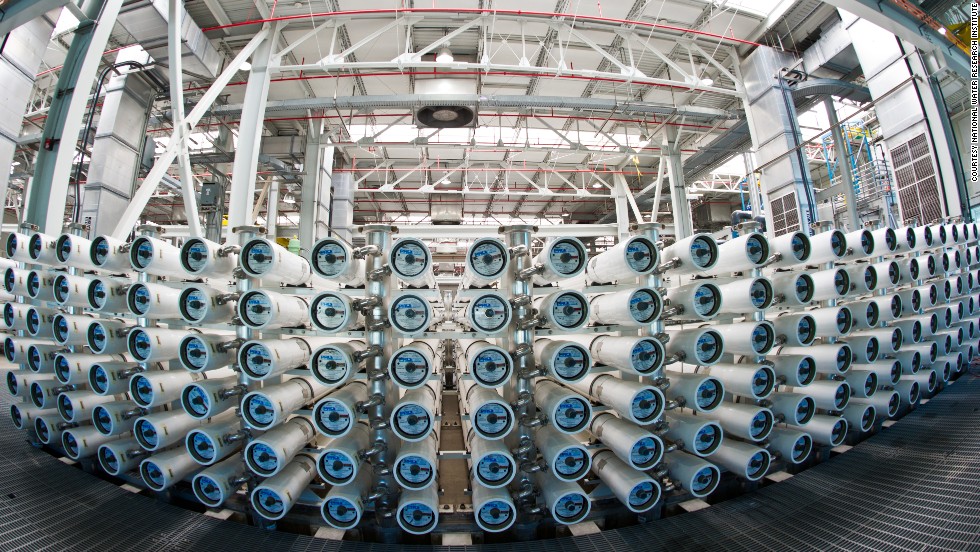
RO Membrane Cleaning Best Practices
Q: We are cleaning heavy scale compounds of Ca, Mg, carbonates, phosphates and organic matter from reverse osmosis (RO) membranes. Can you tell us some cleaning best practices and recommend a detergent?
A. If the organic matter is significant, a two-step process, cleaning by re-circulation or soaking (re-circulation may be more effective) could be needed. If the organic matter is biologic in nature, we would recommend Tergazyme® Enzyme-Active Powdered Detergent which is both a powerful emulsifier along with protein enzymes. If the organic residue is more of an oily nature…
