Advanced Cleaning: Relationship Between Conductivity, Surface Tension and pH
Q: I am doing a conductivity study using Alconox detergent. I am seeing that the pH and Surface Tension listed on the COA differs between lots. Do you think these variables affect conductivity enough to alter my results?
A: Here’s the short answer… Surface tension does not have any interactive relationship with conductivity; pH has a very small, essentially negligible interaction with conductivity; and concentration and temperature are much bigger causes of change in conductivity.
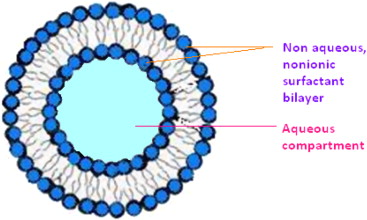
What is a Surfactant?
Q. What is a surfactant? A. Surfactant is short for “surface active agent,” it is an organic molecule with a hydrophobic (water-hating/oil-loving) end and a hydrophilic (water-loving) end.
Water Spots on Medical Devices After Washer Cleaning
Q. We are washing stainless medical devices in a washer and are getting water spots. We are using Solujet and Citrajet. What’s causing this problem?
A. Water spots typically occur because of two main reasons: the orientation of the parts in the washer is trapping dirty wash water and/or detergent dosing is insufficient.
Static and Dynamic Spray Balls for Clean in Place
Q. What are the differences between Static and Dynamic spray balls in CIP machines? A. The typical considerations in using either static or dynamic spray balls in CIP (clean-in-place) are that….
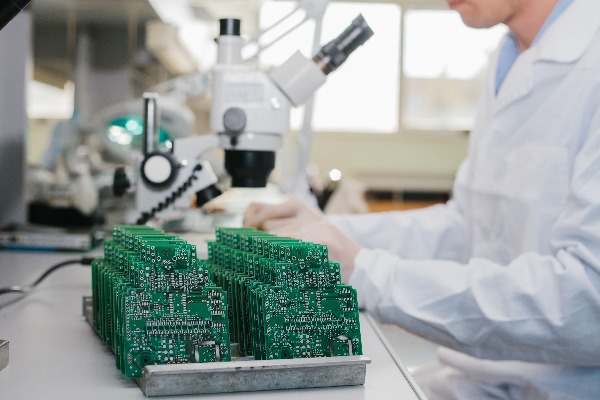
Residual Chlorine on Printed Circuit Boards
Q. We have found chlorine present on our printed circuit boards after ultrasonic cleaning and distilled water rinse. As ultrasonic cleaning detergent, we’re using either Liquinox or Detergent 8, but are unsure which one was used on affected boards. Could either be contributing to this issue?
A. It’s highly unlikely that either detergent, or your cleaning process, is the source of the chlorine residue. The cleaning process you described, if using detergent at recommended dilution levels, should successfully remove flux and process residues.
