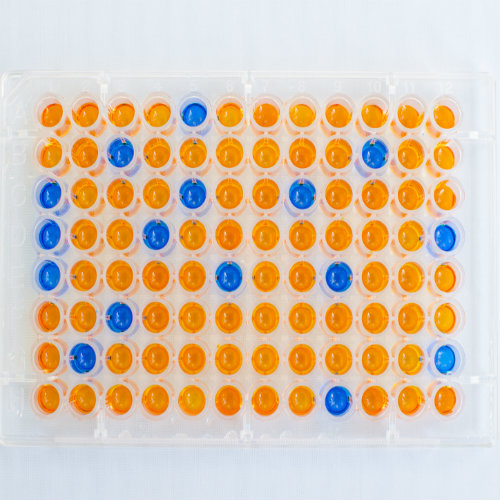
Phosphate-free Detergent for Microplate Washer
Q. We are looking for a product that is phosphate-free to use in our automatic microplate washer. Currently we use Tergazyme. Removal of salts and antibodies (proteins) needed. Liquid preferred.
A. For automated cleaning of microplates use phosphate-free, low foaming liquid Solujet® for cleaning. Solujet® contains chelating agents that can remove salts and high alkalinity for alkaline hydrolysis and cleaning of proteins.
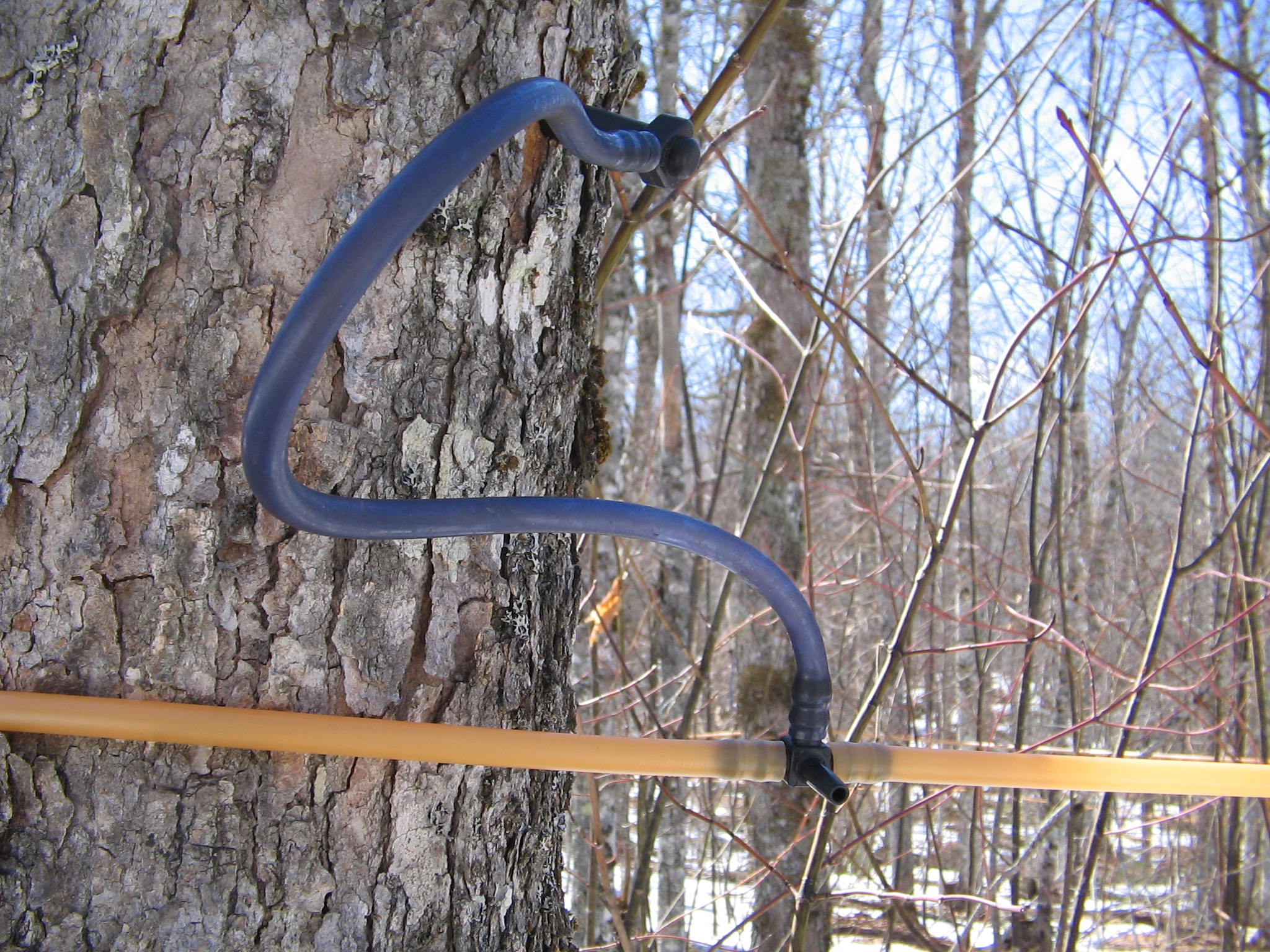
Cleaning Maple Sap Lines
Q: What do you recommend to pressure flush clean our maple sap lines? A: We would recommend using a 1% solution of Citranox® Liquid Acid Cleaner and Detergent (1.25 oz/gal or 10 mL/L) to pressure flush your maple sap lines. …
Oxygenated products in Liquinox?
Q. Are there other oxygenated products/compounds in the Liquinox detergent?
A. Liquinox® does not contain any oxygen bleaches – peroxides. Liquinox® does contain ethoxylated alcohol nonionic surfactants which contain oxygen.
Leak Detection Detergent
Q. We need a liquid soap to be used for leak detection and also as a lubricant. Do you sell anything that will work?
A. Liquinox® detergent has good foaming characteristics for leak detection and also has lubricity as a lubricant.
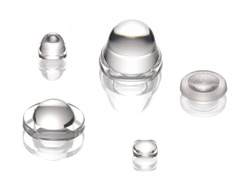
Optical Cleaning — Silicon Diffraction Gratings
Q. Using Detojet detergent at high concentration is damaging the silicon diffraction gratings without cleaning it sufficiently. I have also tried the Luminox solution but it does not clean the surface adequately. Are there any products offered by Alconox, Inc.that are low foaming, so they can be used in the parts washer, that will effectively clean silicon without damaging it?
