
Cleaning Colloidal Silver Production Tanks
Q. Currently I am not using a cleaner, just mechanical cleaning with water. I am cleaning batch tanks used to produce colloidal silver. The only two ingredients in the tank are pure silver electrodes and distilled water. The cleaner needs to be FDA-approved for internal use after the cleaning cycle.
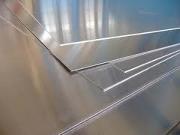
Cleaning Aluminum: Parts Change Color
Q. What temperature should we be running for aluminum parts so they don’t change color?
A. Aluminum changing color during cleaning is often due to galvanic reactions with other metals that may be present in the solution.
Learn More.
Citrajet as an Alternative to Deconex 26 PLUS
Q. Our current cleaner is no longer available. We need a suitable replacement for Deconex 26 PLUS. This was specified by Inst. Mfgr. with no alternatives.
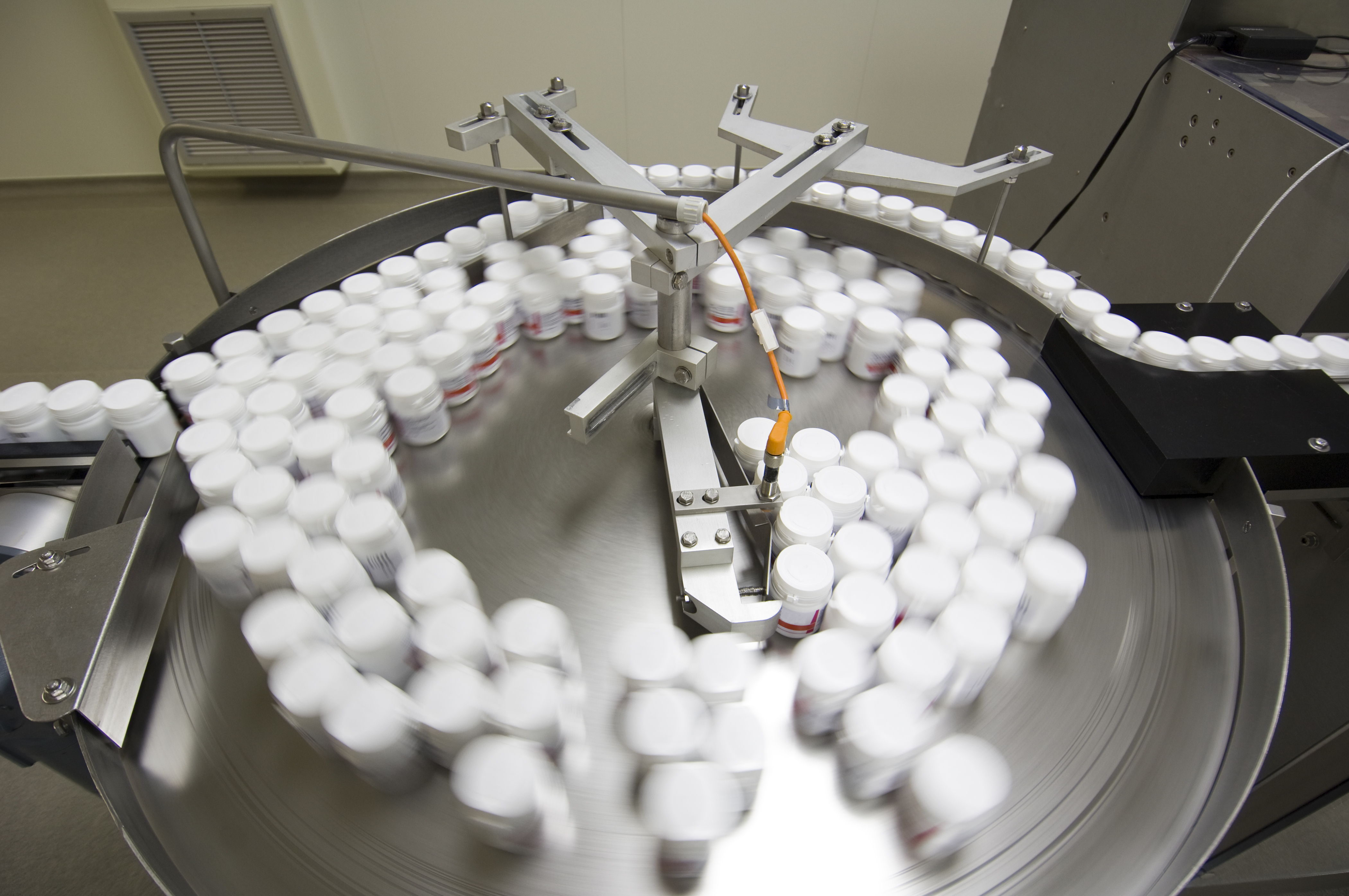
Pharmaceutical Cleaning: Packaging Production Equipment
Q. I am planning to use Luminox, to clean pharmaceutical packaging production equipment (automated filling machines, liquid blenders, etc.) , but I am not sure that it is certified for pharmaceutical industry and can be used industry leaders.
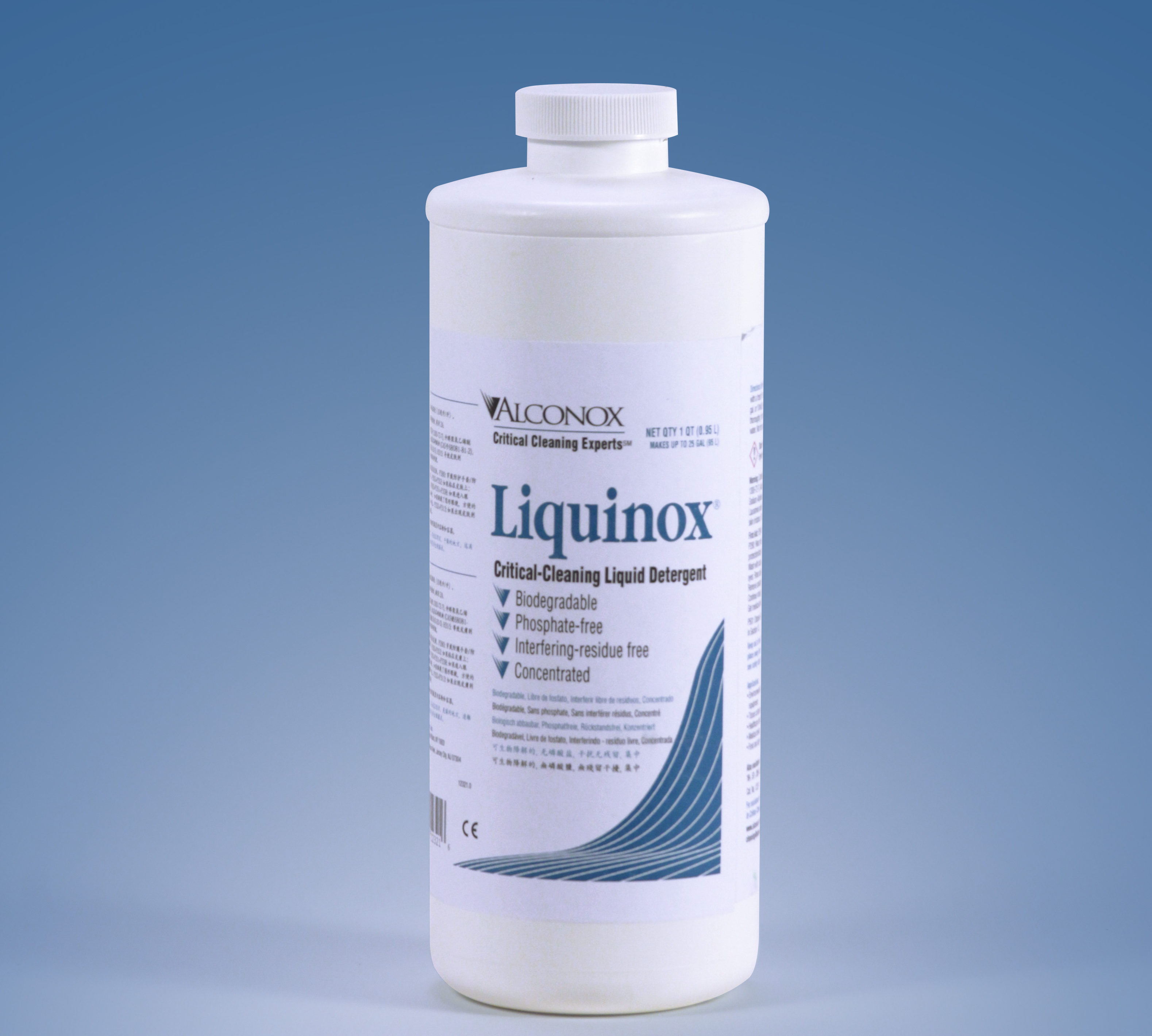
A Replacement for RoboScrub
RoboScrub® cleaner is a private label product manufactured by Alconox, LLC for Tecan US. This product is discontinued by Tecan US (p/n: 30055105). Liquinox™ Critical Cleaning Liquid Detergent was bottled and labeled as RoboScrub for Tecan US. As such, the identical replacement for RoboScrub cleaner is Liquinox detergent.
