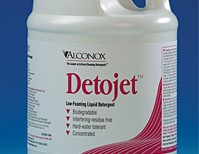
Detojet Cleaning Duration
Q. What is the cleaning duration in a horizontal glass washer with 1% Detojet at 50 deg C? A. In house lab data that shows
Detojet, Low-Foaming Liquid Detergent
Q. What industries commonly use Detojet and what residues does Detojet remove?
A. Detojet, Low-Foaming Liquid Detergent is used in a variety of industries such as Healthcare, Laboratory, Precision Manufacturing and Metalworking and Food & Dairy. Detojet is an alkaline non-ionic cleaner that would remove soil, tares, resins, grease, blood, tissue, oils, particulates, chemicals, and solvents.
For more information on Detojet, please see the technical bulletin or the Detojet msds.
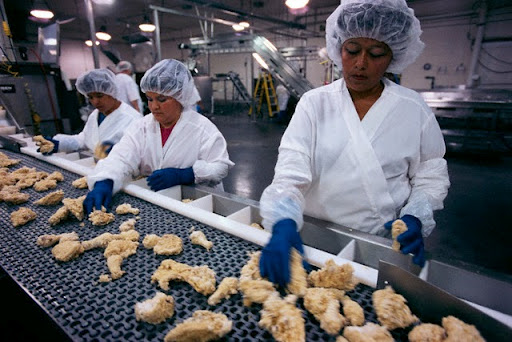
Food Contact Surface Cleaners
Q. What are two Alconox brand cleaners are low foaming and USDA approved for cleaning food contact surfaces?
A. Alconox, Inc. manufactures cleaners for food contact surfaces with no interfering residues.
Prolonging Alconox Bath Life
Q. Is it possible to prolong the bath life of Alconox?
A. Yes. Start out with a stronger Alconox concentration. If using a 1% solution, use a 2% or possibly even 3% solution. After 1.5 weeks, add another 1.5% Alconox to the bath, especially if there has been make-up water added because of drag-out and evaporation. This regimen should allow successful cleaning for up to 3 weeks. It is not recommended trying to run an Alconox bath beyond 3 weeks, as these baths are prone to starting to grow microbes. Keep the bath covered when not in use and change out the bath every 3 weeks.
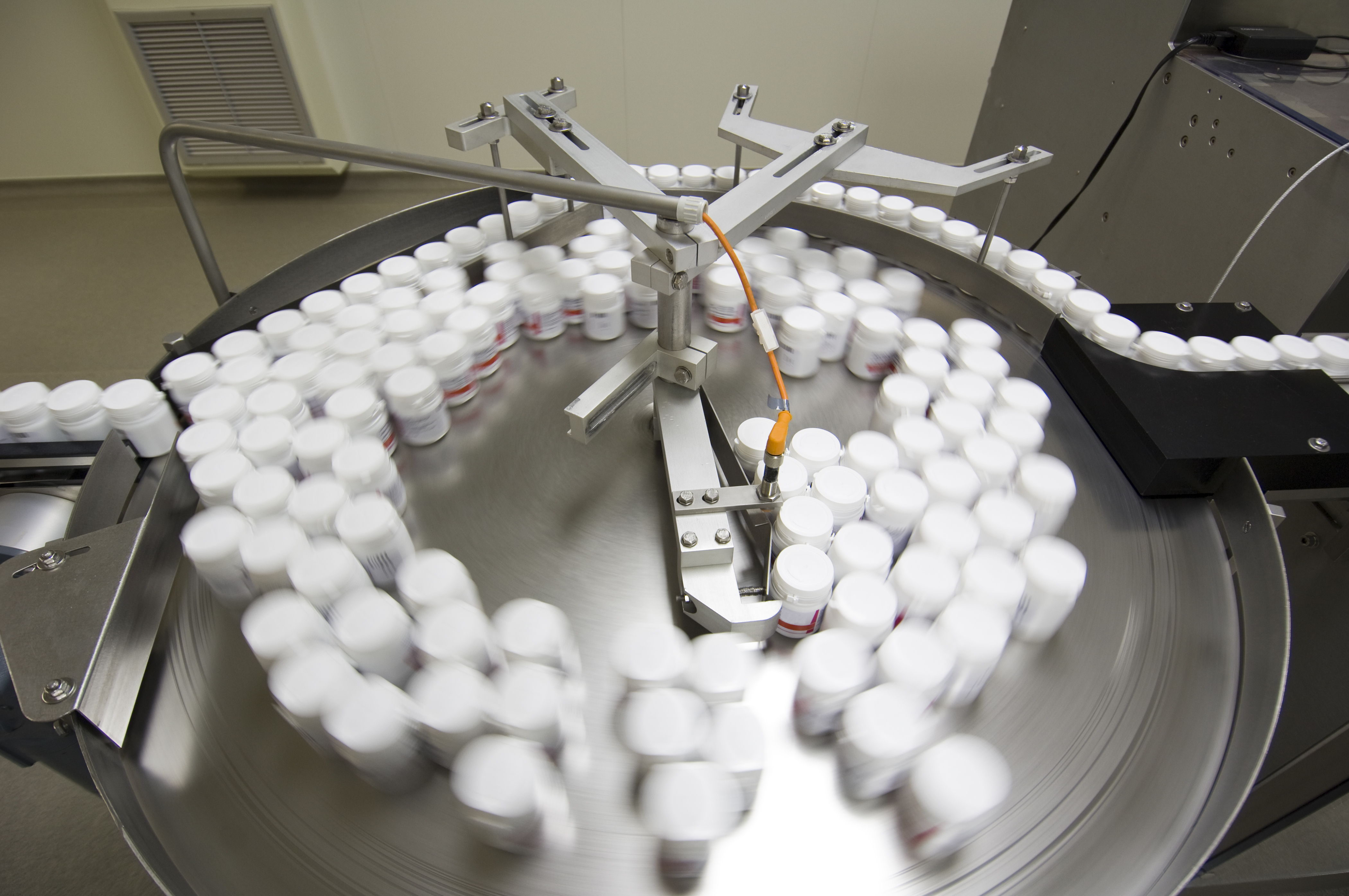
Pharmaceutical Residue Removal: Iron Sucrose
Q. Which Alconox brand cleaners are suitable for the removal of iron sucrose?
A. Iron Sucrose is water soluble therefore it can be cleaned by either Citranox or Liquinox. Find out more about Citranox and Liquinox by downloading technical bulletins or MSDS at www.alconox.com.
