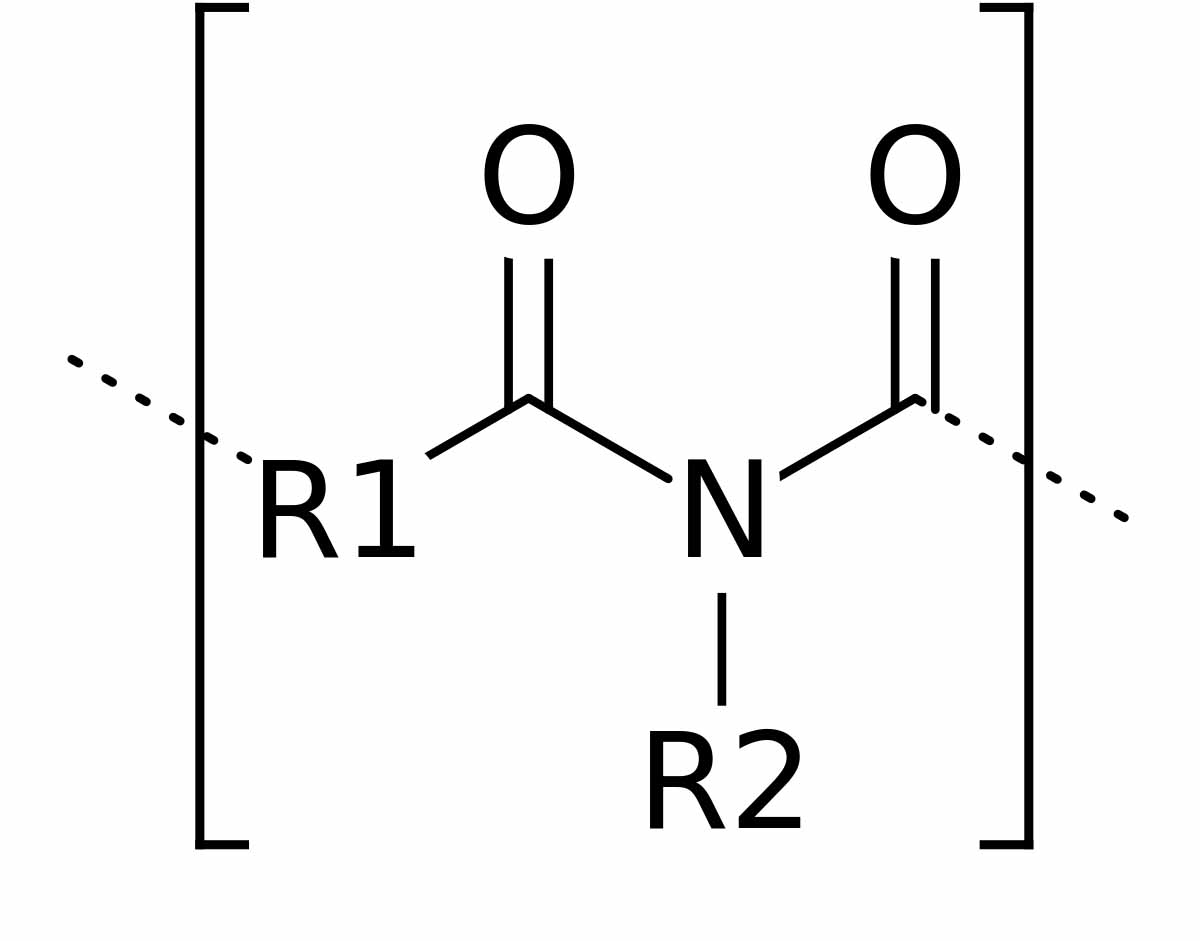
Removing Silicone Oil from Polyimide Surfaces
Q. How do you remove silicone oil from polyimide surfaces during a lamination process (polyimide bonded to Inconel metal foils)? The oil is only contacting the polyimide. What can be used to clean this polyimide surface that will leave behind no residue?
All About Rinse Aids
There are basically three kinds of rinse aids: Hydrophobic rinse aids that leave behind a residue, surfactants that wet surfaces and allow rinse water to sheet off a surface without leaving behind droplets, and acid rinses that dissolve insoluble alkaline salt residues.
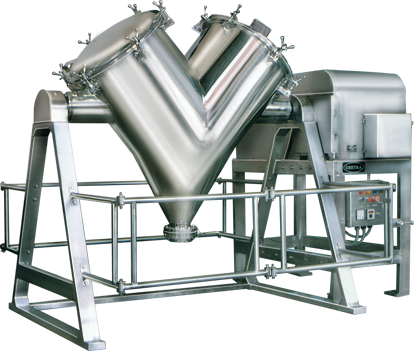
Cleaning a V Blender
Q. How would you clean a 3 cu ft V blender?
A: I recommend using a 0.5% Solujet® solution of 12 L to clean the 3 cu ft V blender followed by 2 rinses and then a 3rd sampling rinse. You may wish
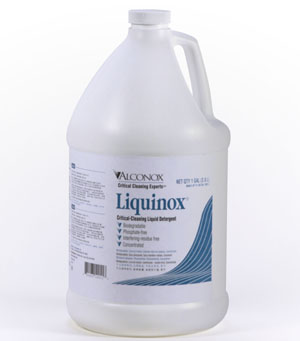
Determining Optimum Detergency for Liquinox
How do you determine optimum detergency for Liquinox detergent? As a general statement, optimum detergency is reached at a 1-2% concentration (optimum defined as amount of soil removed per unit of detergent used). Maximum detergency is typically reached at a…
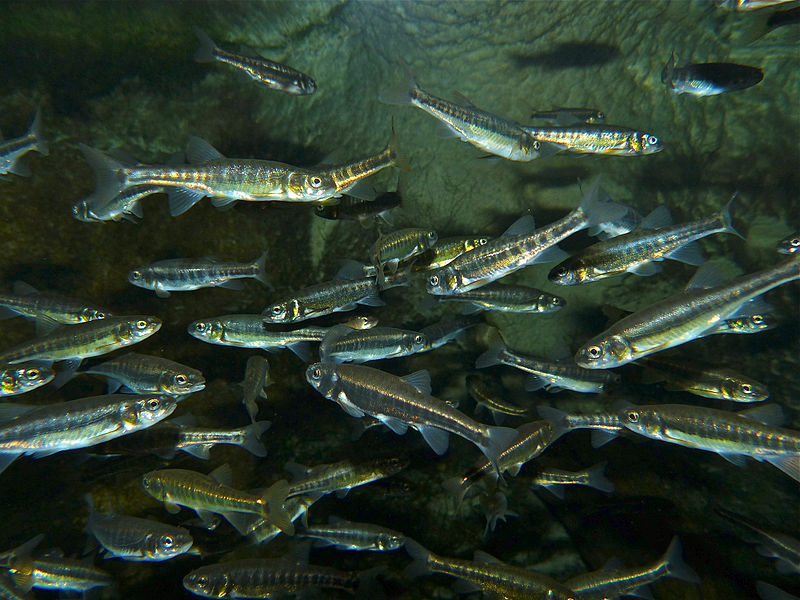
Determining Aquatic Toxicity
Alconox® Powdered Precision Cleaner, Liquinox® Critical Cleaning Liquid Detergent, Tergazyme® Enzyme-Active Powdered Detergent, Citranox® Liquid Acid Cleaner and Detergent, and Alcotabs® Tablet Pipet Detergent all contain roughly 5-20% sodium dodecylbenzene sulfonate surfactant. The aquatic toxicity is derived from the surfactant. This surfactant is sodium dodecylbenzene sulfonate.
