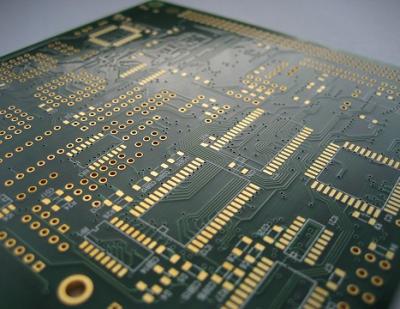
Cleaning Electronic Parts Prior to Soldering
Q. We need to clean parts to be soldered prior to applying solder. Do you have recommendations?
A. To clean parts prior to soldering you need to consider what residues you are trying to remove from the parts and how you want to clean. For general purpose oils and residue cleaning by manual, soak or ultrasonic cleaning methods, we recommend using a warm or hot 1% Liquinox solution . . .
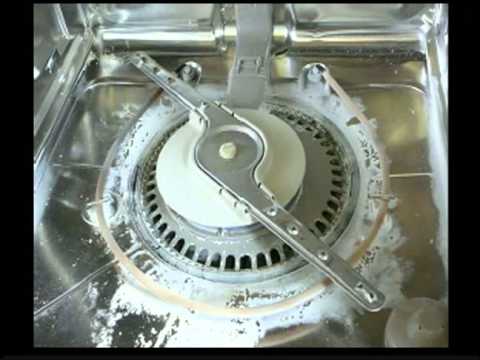
Cleaning Stainless Steel Dishwashers
Q. What kind of cleaner options can be safely used in stainless steel dishwashers.
A. All of our low foaming cleaners are safe for use on stainless steel dishwashers. In general for small under counter washers . . .
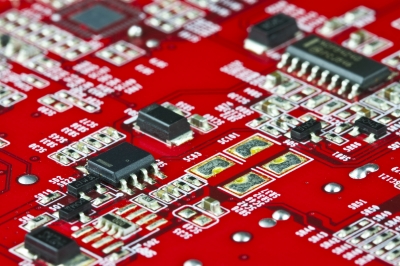
Cleaning Electronic Parts for High-Voltage Applications
Q. How can I clean electronic parts and assemblies for extremely high-resistance and/or high-voltage applications?
A. I recommend you clean with the product Detergent 8. Detergent 8 is an ion-free cleaner that cannot leave a conductive detergent residue. You use Detergent 8 at a 2-5% dilution (2.5 oz/gal to 6.5 oz/gal) depending on how you are using it. For soaking use 5%, for ultrasonic tanks use 3% and for pressure spray washing use 2%. Rinse thoroughly with deionized water after cleaning.
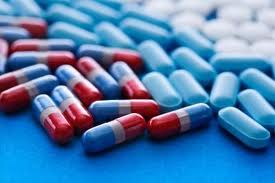
Cleaning Eudragit NE30D and Eudragit E100
Q. We are a oral dosage pharmaceutical and are having some cleaning issues with our coating pans after using 2 different type of Eudragit. Eudragit NE30D is probably the most difficult and our most urgent one to clean, the other is Eudragit E100 (Amino methacrylate copolymer). Do you have any suggestions or recommendations? Also I would be very interested in the validated residual methods that you have on these products.
A. The film residues from EUDRAGIT® NE 30 D polymers are neither soluble in acid nor in alkali. They can, however . . .
Clean in Place Instructions
If it is too costly and time-consuming to dissasemble large manufacturing filtration systems or tanks, mixers and blenders for cleaning, consider clean in place.
