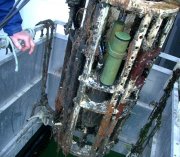
Cleaning Ceramic Aluminum Oxide and Polysulfone
Q. Is Detojet, Low-Foaming Liquid Detergent, compatible with ceramic aluminum oxide and polysulfone? A. Detojet solutions are compatible with aluminum oxide ceramics. There is need to be concerned about polysulfone.
High Purity Cleaner for Nuclear Stainless Steel
Stainless steel used in nuclear power related applications must be cleaned with cleaners that contain no trace contaminants that can potentially harm the very long term integrity of the stainless steel. No trace agents that could potentially cause hydrogen embrittlement or stress cracking can be tolerated.
Residue Detection by UV/Vis
Q. Does Alconox provide information on cleaner residue detection by UV/Vis? A. Yes. In The Aqueous Cleaning Handbook . . .
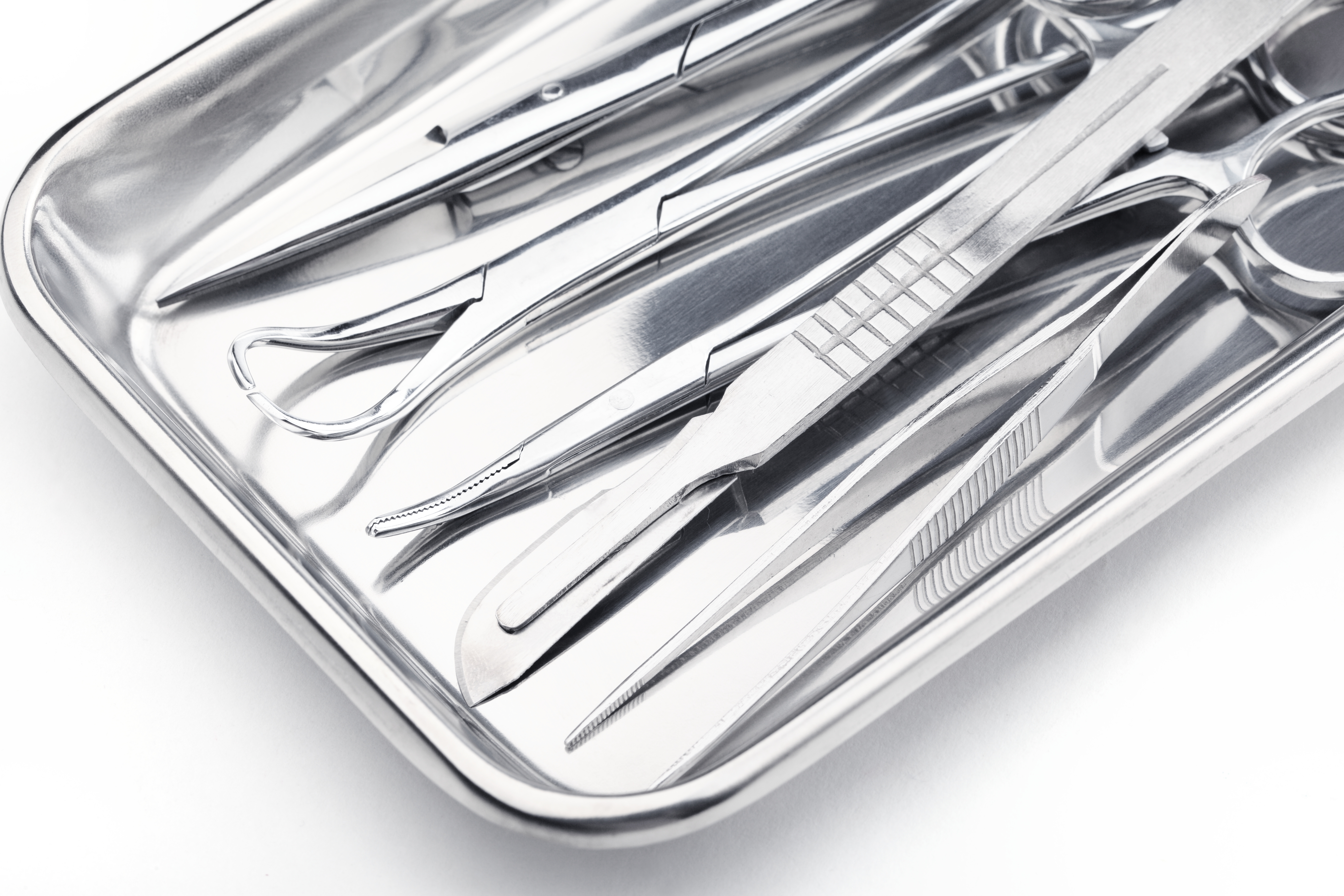
Cleaners to Prepare for Sterilization
Q. What products prepare instruments for sterilization?
A. Use a proper cleaner prior to sterilization. Alconox and Liquinox instrument cleaners are effective and economical manual, ultrasonic or soak cleaners.

Citranox Corrosion for Photovoltaic Application
Q. We use Citranox for cleaning glass coated with tin oxide. We use the cleaned glass to deposit thin film CdS/CdTe photovoltaic devices. We use your citranox detergent and use a stainless steel ultrasonic cleaner. Is there a concern that the citranox could corrode stainless and deposit metallic ions on the glass surface? Which can be detrimental to the semiconductor films of the photovoltaic devices? Should we use a PTFE ultrasonic cleaner?
