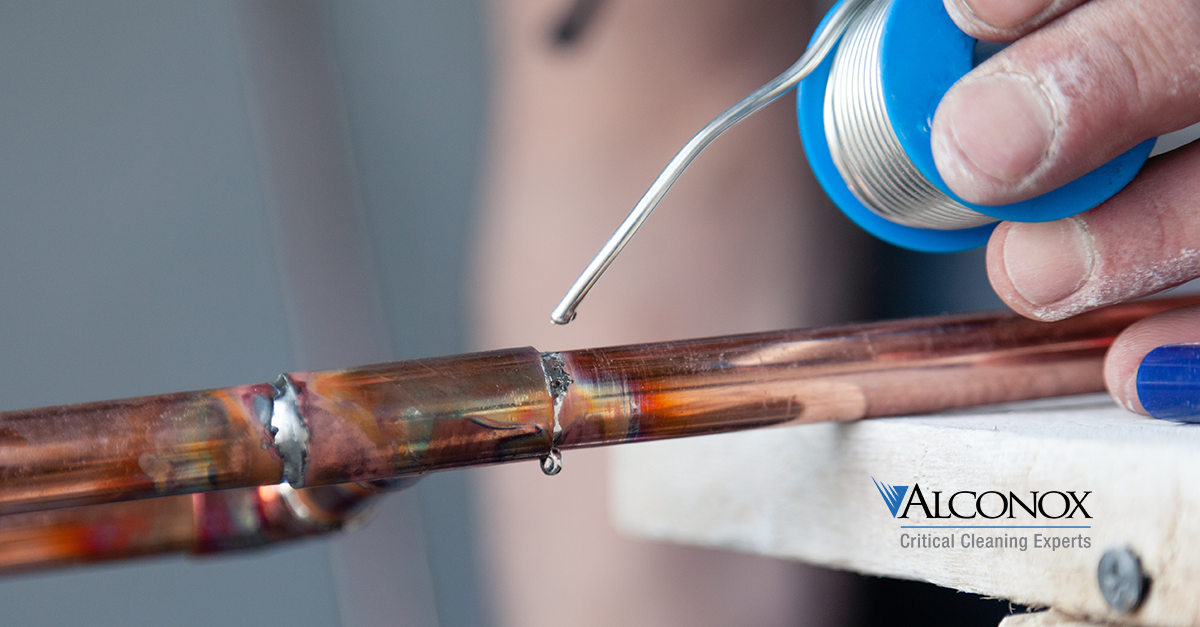
Removing Brazing Flux Residue
Q: We are exploring alternate cleaning chemicals for our brazed copper and brass tubing components. The major residue is brazing flux and light oil residue from fabrication. We are currently using nitric acid. What do you recommend?
A: Inorganic brazing flux residue, and the light oils, will be handled nicely by our mild yet effective citric acid based detergents. Depending on your cleaning method, manual or a washer system, we can recommend
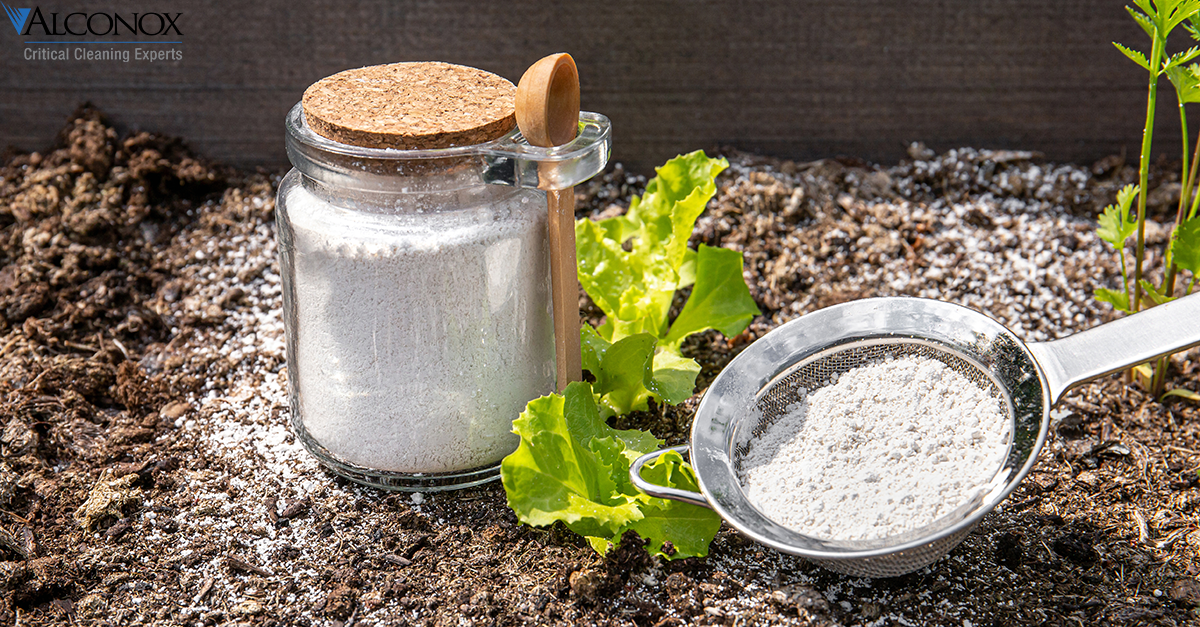
Cleaning Diatomaceous Earth Residues
Q: We need to remove diatomaceous earth from filter screens. What detergent do you recommend?
A: Diatomaceous earth, also known as filter aid, diatomite, celite, and other names, has a wide range of uses, including pest control, abrasives, and of course filtration. As it is composed of both organic and inorganic matter, knowing which detergent to use is a very valid question.
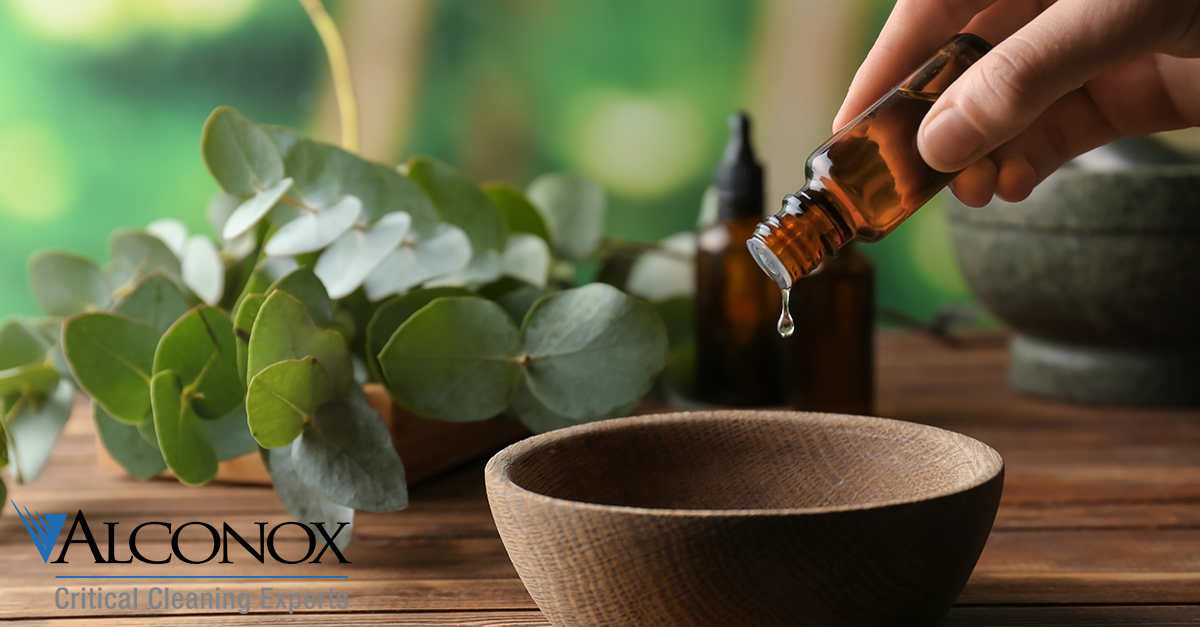
How To: Clean Oral Rinse Residues
Q: We need to do a better job of cleaning our manufacturing equipment for oral rinse. We are cleaning via CIP. Can you assist?
A: Oral rinses are designed to leave lingering scents. These aromatic residues like eucalyptus oil, peppermint oil, and other ingredients found in an oral rinses can therefore be tough to clean off manufacturing equipment between batches
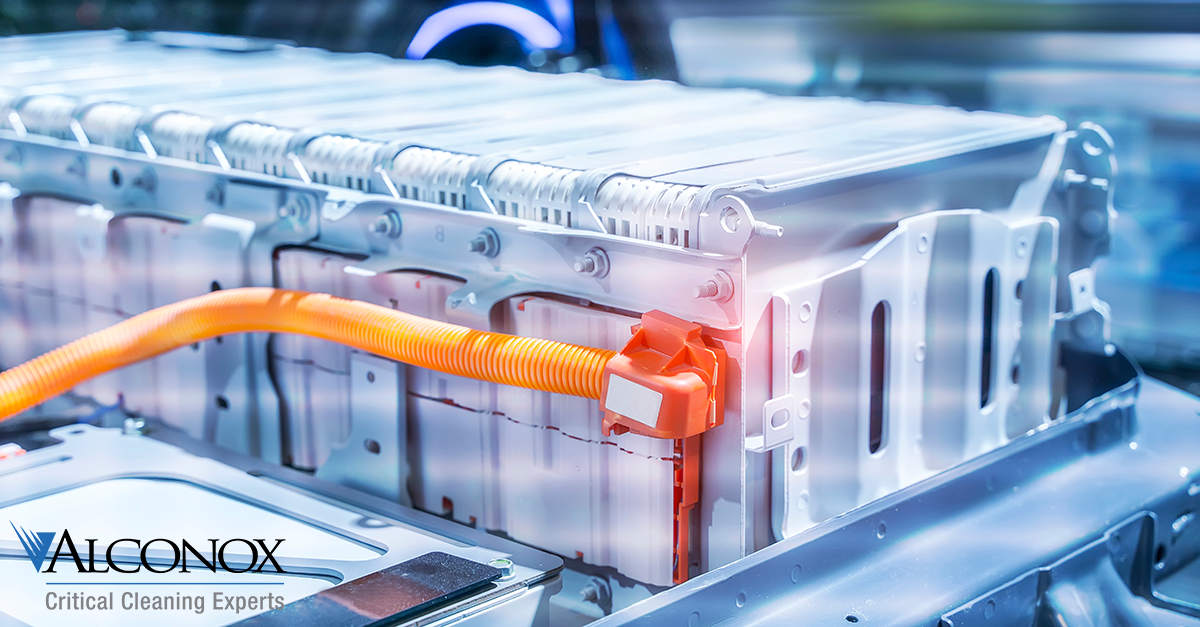
Alconox, LLC at The Battery Show September 12-14, 2023
Alconox, LLC is excited to be at The Battery Show at the Suburban Collection Showplace in Novi, Michigan September 12-14, 2023. The battery manufacturing and recycling industry requires advanced critical cleaning detergents. Our critical cleaning experts will be on hand…

Join Us at BIOMEDevice Boston 2023
Visit Alconox, LLC at BIOMEDevice Boston, MA, September 20-21, 2023. Stop by booth #524 to receive our unique gifts, expert technical support for your critical cleaning applications, and detergent samples. Our critical cleaning detergents remove an array of soils while…
