
Defining Free Rinsing Detergent
A non-free rinsing cleaner might contain fragrances that were designed to deposit and leave a fresh scent, or it might contain corrosion inhibitors that are designed to deposit and leave behind an anti-corrosion film.
Alconox, Inc, cleaners are free rinsing detergents and do not leave deposits on substrates after rinsing.

Cleaning Vitamin Residues
Q. We manufacture vitamins, which include minerals (calcium, magnesium etc.) and have found that Citranox is very effective in cleaning the residue left in our equipment. Unfortunately, we have learned that the pH of Citranox is too low for our local requirements. Do you have another detergent with a higher pH that would work equally as well?
Glassware and Utensils Came Out Coated In A Dry White Residue
Q: We are working with a lab washer in a compounding pharmacy application. We are using Detergent 8 to clean glassware and utensils. The glassware and utensils came out coated in a dry white residue. Can you please advise why this is happening with this detergent?
Do Enzymatic Detergents Disinfect?
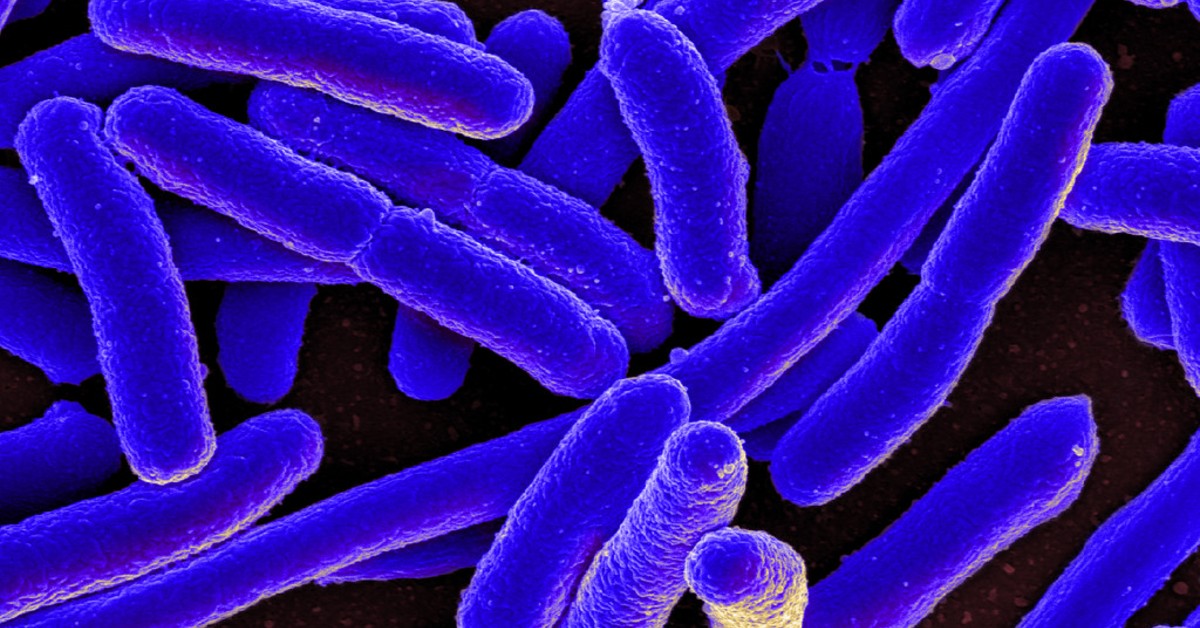
Q. We have been using Tergazyme to clean lenses and cuvettes for our light scattering equipment and it works flawlessly! My question is: Does Tergazyme enzyme detergent have any disinfection properties, like killing of bacteria such as E. coli, or viruses?
Dilution Precision in Concentration Measurements
Q. Do I determine detergent dilution by weight or by volume or both?
A. In a laboratory setting, the most common method is to either make a weight/weight dilution (10-20 g Alconox detergent in 990 g of water), or a weight/volume dilution (10-20 g Alconox in 990 mL of water) for 1-2% solutions. In manufacturing situations, often directions are written volume/volume or volume/weight.
