
Aqueous Detergent Selection
Q. What are the key considerations when selecting an aqueous cleaning detergent?
A. Critical cleaning requires careful selection of cleaning chemistry and methods to ensure adequate performance without sacrificing either work safety or benign environmental impact. Key considerations include: Type of substrate, Type of soil, part complexity, level of cleanliness required, manufacturing process, cleaning efficiency, environmental consideration.
Learn more by downloading The Alconox Product Catalog and Detergent Selection Guide.
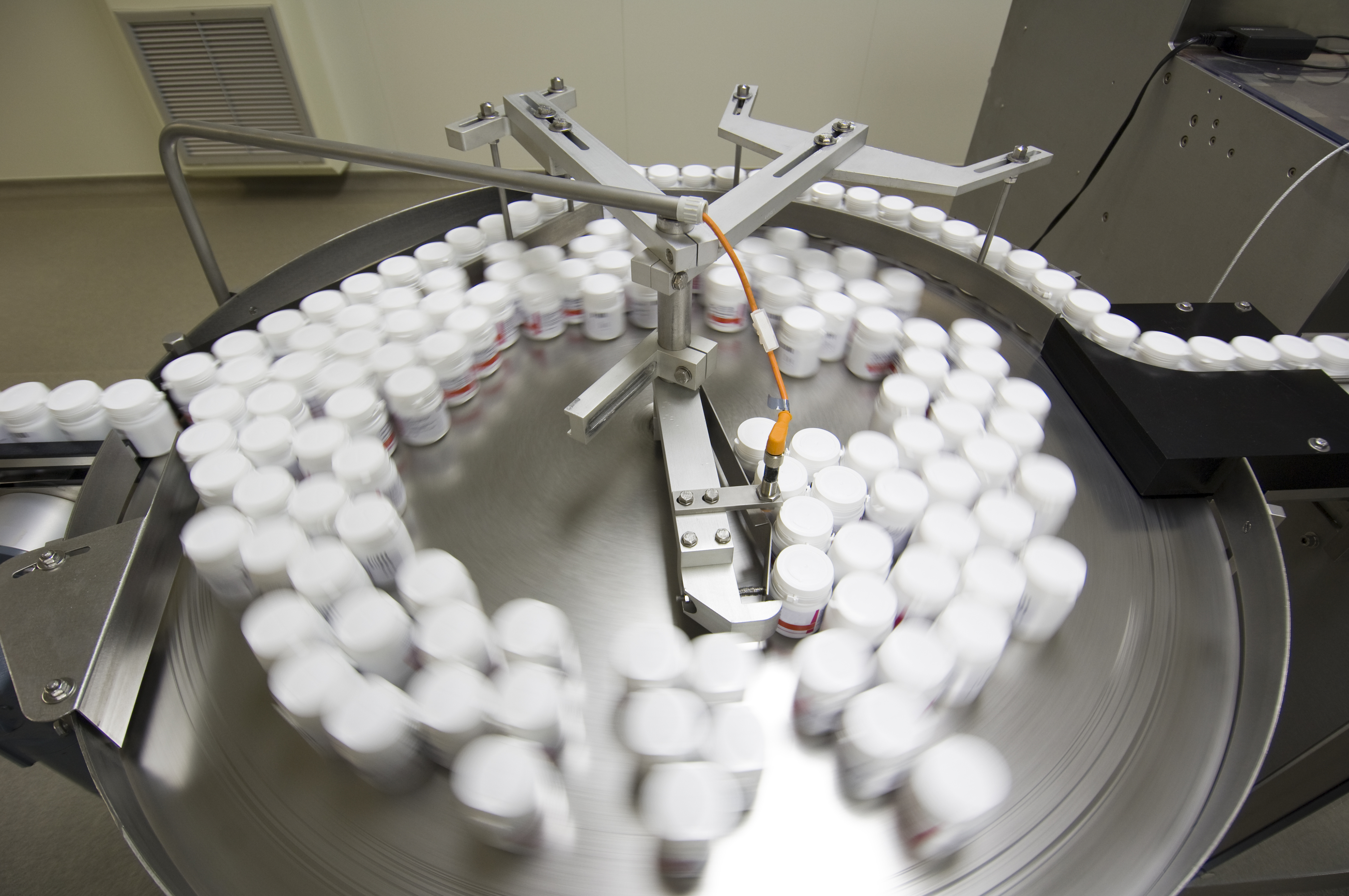
Pharmaceutical Residue Removal: Iron Sucrose
Q. Which Alconox brand cleaners are suitable for the removal of iron sucrose?
A. Iron Sucrose is water soluble therefore it can be cleaned by either Citranox or Liquinox. Find out more about Citranox and Liquinox by downloading technical bulletins or MSDS at www.alconox.com.
Cleaning Machined PTFE Parts
Q. I just received your chapter on cleaning SOPs and I look forward to reading it. In parallel, I was hoping to get your thoughts or a bit of advice on how to create and implement cleanliness specifications/processes for machined (PTFE) plastic parts. Cutting fluid for the machining center is basically a water soluble vegetable oil-based fluid. The use of this plastic manifold and cover is within an electro-mechanical-fluidic subsystem (“Delivery Module”). This delivery module accumulates a quantity of 59wt% Hydrogen Peroxide that has been … Click to Read The Full Question and Answer.

Sporicidal Properties in Alconox Cleaners
Q. Do you have a product/detergent that has a sporicidal properties?
A. Alconox detergents remove pathogens, they do not kill them. None of the detergents from Alconox, Inc. have sporicidal properties.

Cleaning Eudragit NE30D and Eudragit E100
Q. We are a oral dosage pharmaceutical and are having some cleaning issues with our coating pans after using 2 different type of Eudragit. Eudragit NE30D is probably the most difficult and our most urgent one to clean, the other is Eudragit E100 (Amino methacrylate copolymer). Do you have any suggestions or recommendations? Also I would be very interested in the validated residual methods that you have on these products.
A. The film residues from EUDRAGIT® NE 30 D polymers are neither soluble in acid nor in alkali. They can, however . . .
