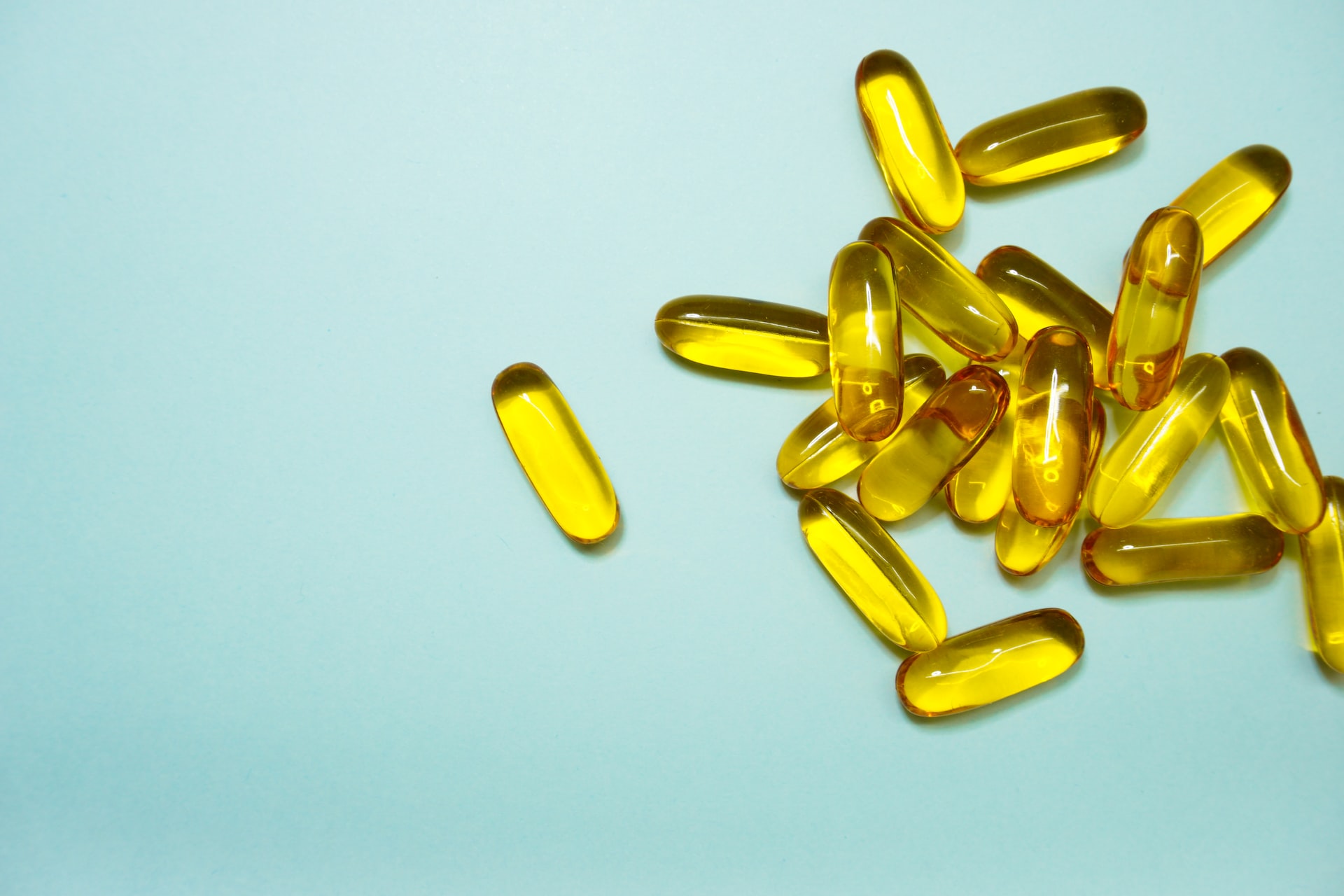
Removing Fish Oil Residues
Q. We would like to have neutral foaming cleaning agent to clean fish oil and gelatin residue. We will also need a validatable method to test residue.
A. If neutral, foaming is required, we recommend you evaluate Liquinox detergent. Liquinox is a neutral pH range, high foaming concentrated cleaner. The oxidation mechanisms in the Alcojet and Detojet detergents would be the preferred choice for removing these oily, odor persistent residues.

Removing Capsaicin Residue
Q: We have capsaicin residue we are encountering. If it is proving challenging to remove, and irritating to our technicians. Please help!
A: We can attack via emulsification or oxidation. If you are indeed looking to clean manually, the powerful emulsification capability of Detonox® Ultimate Precision Cleaner detergent, along with warm to hot temperatures, will help.
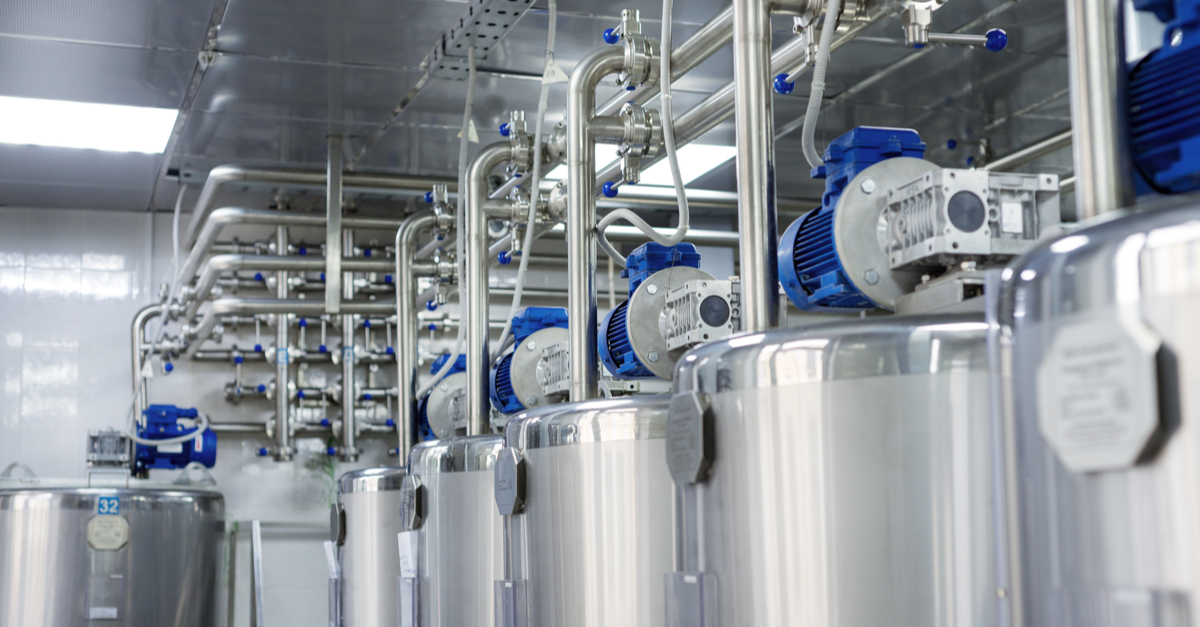
Cleaning Probiotics with Low Foaming Detergent
Q: We are a medium-sized production company, focused on probiotic manufacturing. We would like a low foaming detergent to clean our stainless steel production tanks and lines. The residue can be quite challenging.
A: Residue from probiotics, which are microorganisms, will be proteinaceous and organic in nature. These residues can be adherent and challenging to remove, especially when a low foaming detergent is required. Recall that low foaming surfactants tend to be less good at emulsifying, and a reliance on chemistry is required for the predominant cleaning mechanism.
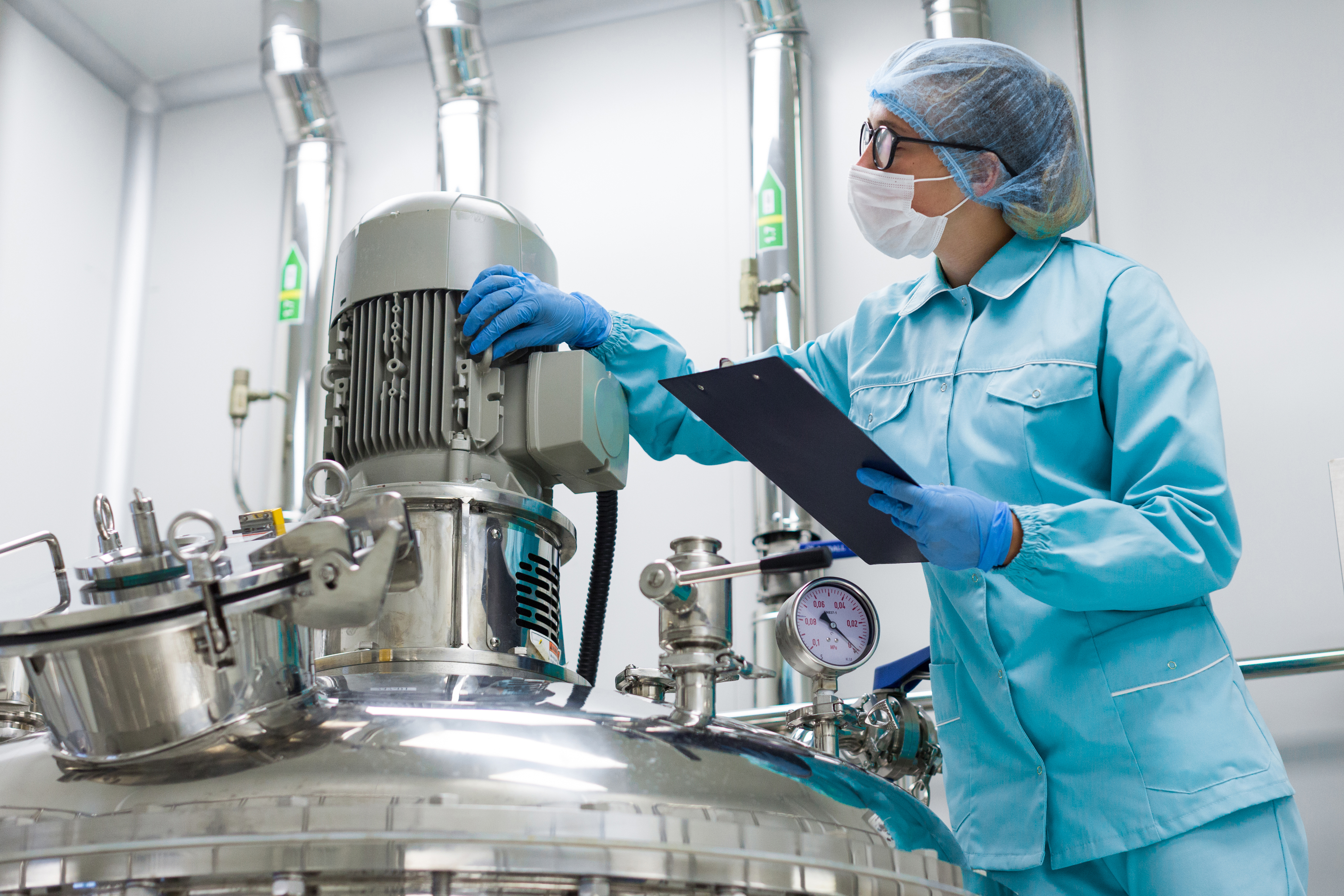
Biopharma Cleaning: Hormone Residue
Q. How can I clean residual hormone residue from our process lines and tanks?
A. For manual cleaning we would highly recommend TergazymeⓇ Enzyme Active Powered Detergent. It contains protein enzymes that can effectively break down protein based hormones along with powerful emulsifiers.

Enzymatic detergent or non-enzymatic detergent?
Q: How do you know when to use an enzymatic detergent as opposed to a non-enzymatic detergent?
A: This is an excellent question, and the answer hinges on the specific type of soil you are trying to remove and the nature of the surface being cleaned. Here’s a detailed, step-by-step response to guide you through the decision-making process.
