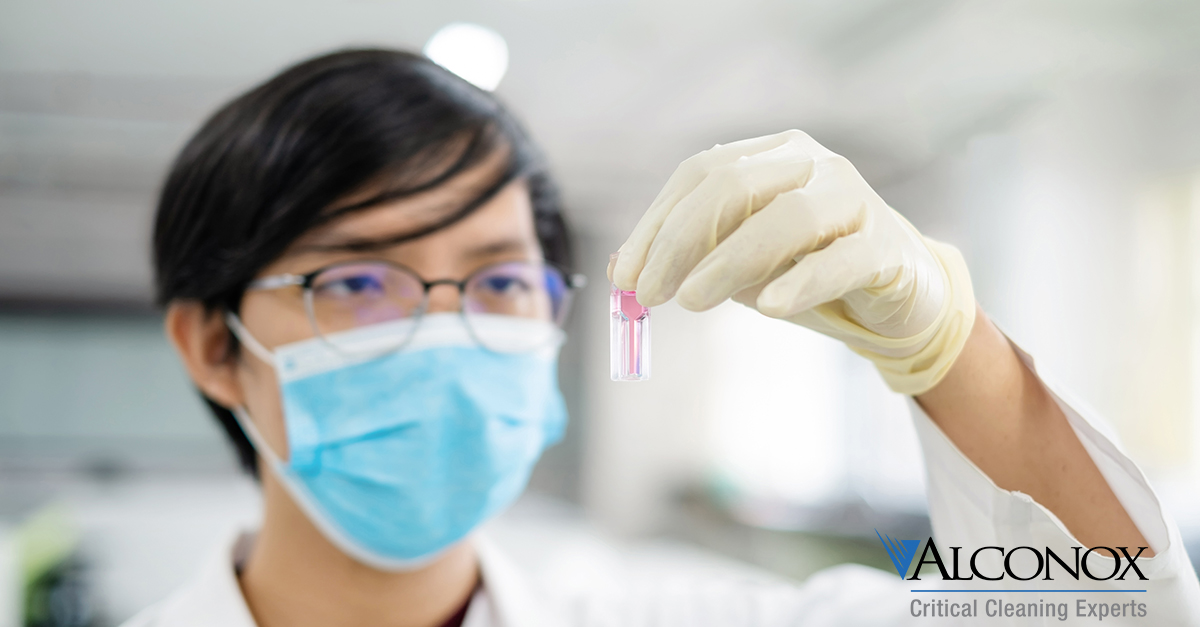
How to: Clean Quartz UV/Vis Cuvettes?
Could you please recommend the best detergent and the appropriate concentration for cleaning quartz UV/Vis cuvettes? We perform dissolution by UV/Vis on various pharmaceutical products (primarily tablets and capsules) in aqueous solutions (examples: phosphate buffers, citrate buffers, surfactants (SDS, SLS, Tween), dilute acids, etc.).
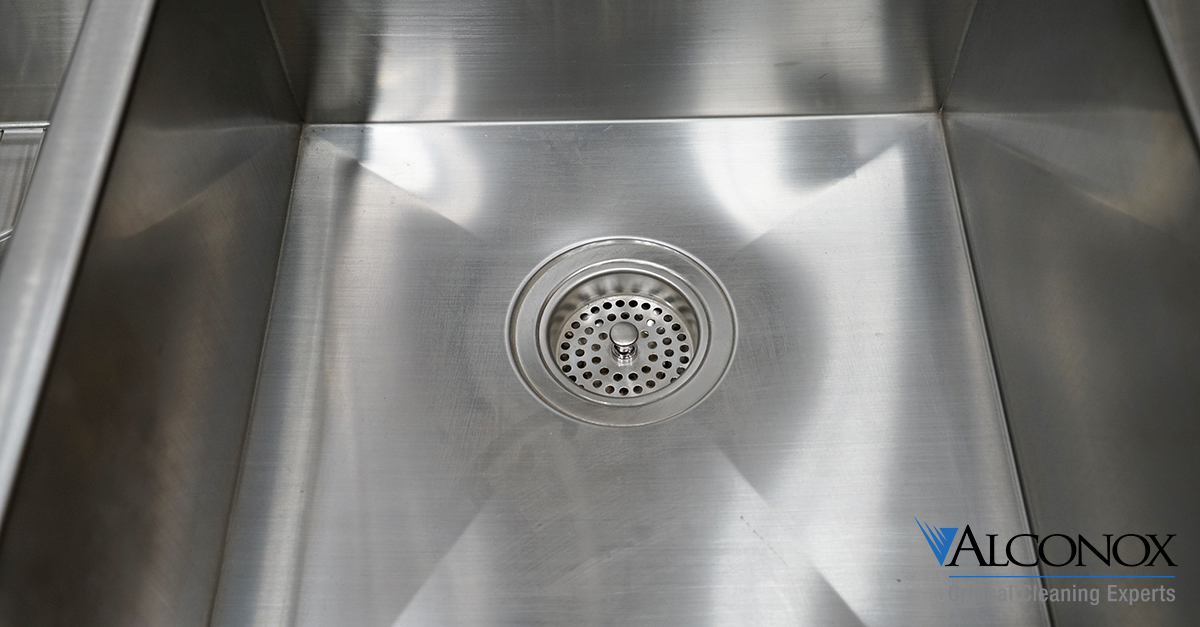
Mystery Residue: Left Over Detergent Residue?
Q: Whenever the Detonox is left in a stainless steel sink, it forms a white substance at the bottom of the sink. We have tested the water with Detonox in a glass beaker and it does not form the same ‘Scum’.…
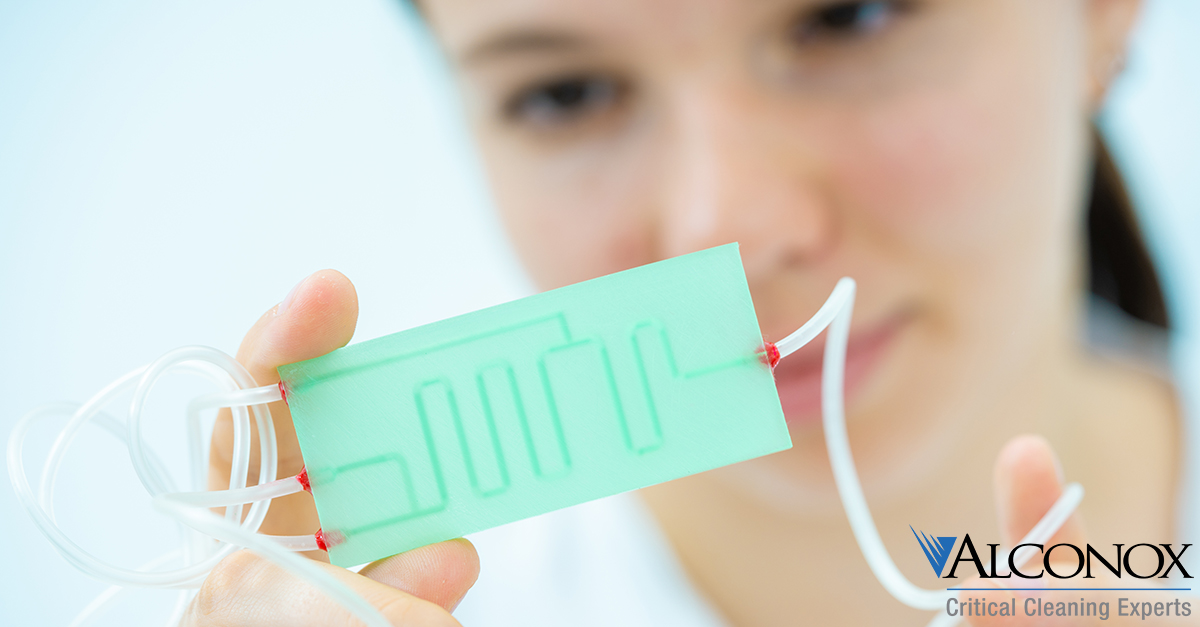
How to: Clean a Microfluidics System
Q: We are looking for a cleaning solution to remove sodium contamination to a sub ppt level from a microfluidics system. Can Alconox, LLC help?
A: Microfluidics is the field of accurately and precisely transporting small amounts of liquid. This requires small channels which can be a challenge to clean. To remove inorganic residues from a narrow ID system, we would want to use a low foaming detergent….
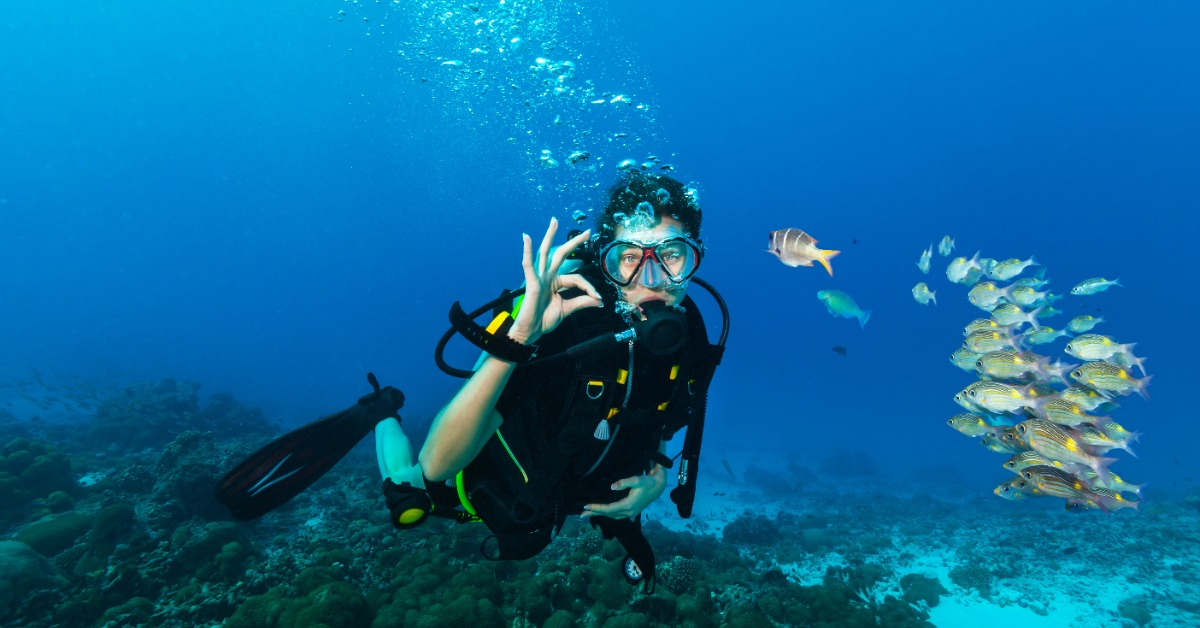
How To Clean SCUBA Equipment?
Q: We already recommend Tergazyme for many of our customers (brewery). But do you have any recommendations for SCUBA equipment after use? Lots of salt water exposure. Is there anything you would recommend to soak dive equipment in?
A: If Tergazyme detergent is in play already via ease of selling/recommending to them, or if your customers have it, by all means that would be a fine choice to clean SCUBA and Buoyancy Compensator Devices, for both fresh and sea water.
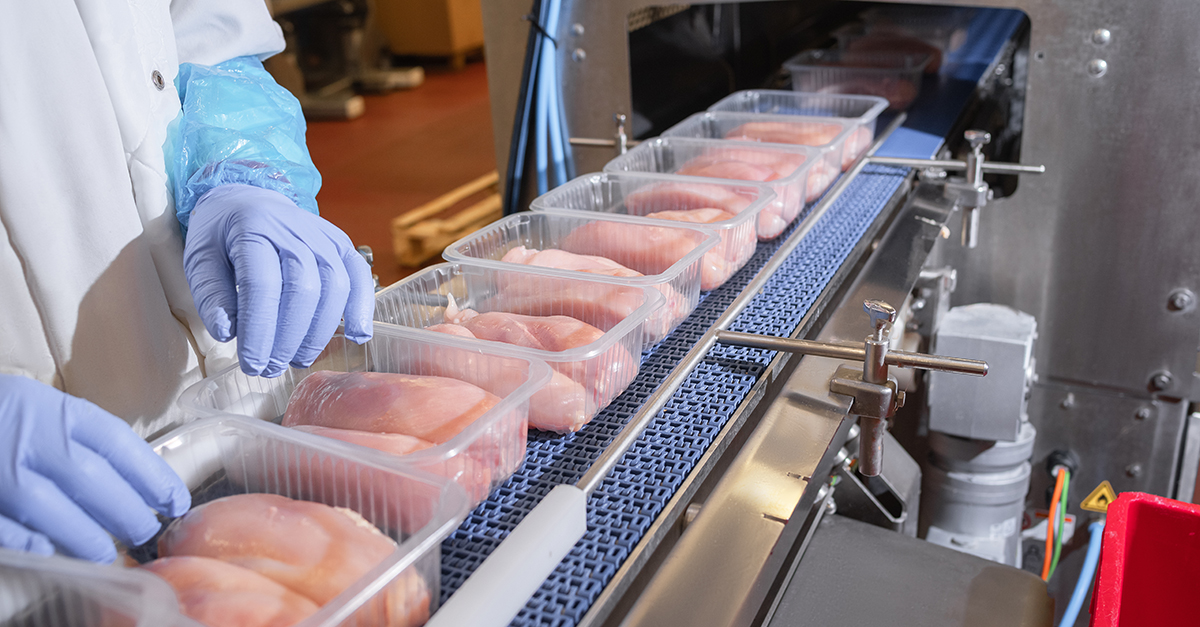
Cleaning Animal Products Residue
Q: We are looking for the best cleaner for cleaning equipment used to process animal products. We would like an option for cleaning animal products residue on small parts in an ultrasonic and an option for a large scale washer.
A: To clean equipment used to grind, dry and defat animal products we would enthusiastically recommend
