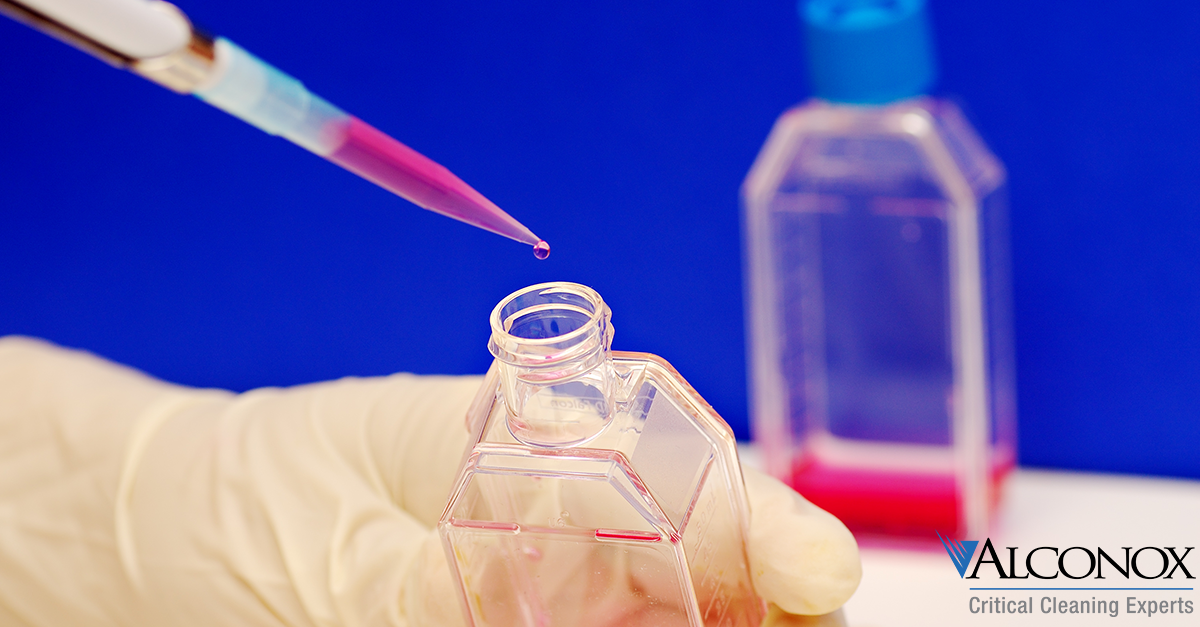
Cleaning Tissue Culture Flasks
Q: What is the recommended detergent for cleaning tissue culture flasks?
A: When it comes to maintaining a sterile and contamination-free environment in tissue culture labs, proper cleaning of tissue culture flasks is paramount. The task is not just about cleanliness; it’s about ensuring that there’s no residue left behind that could potentially impact the growth and health of cell cultures.
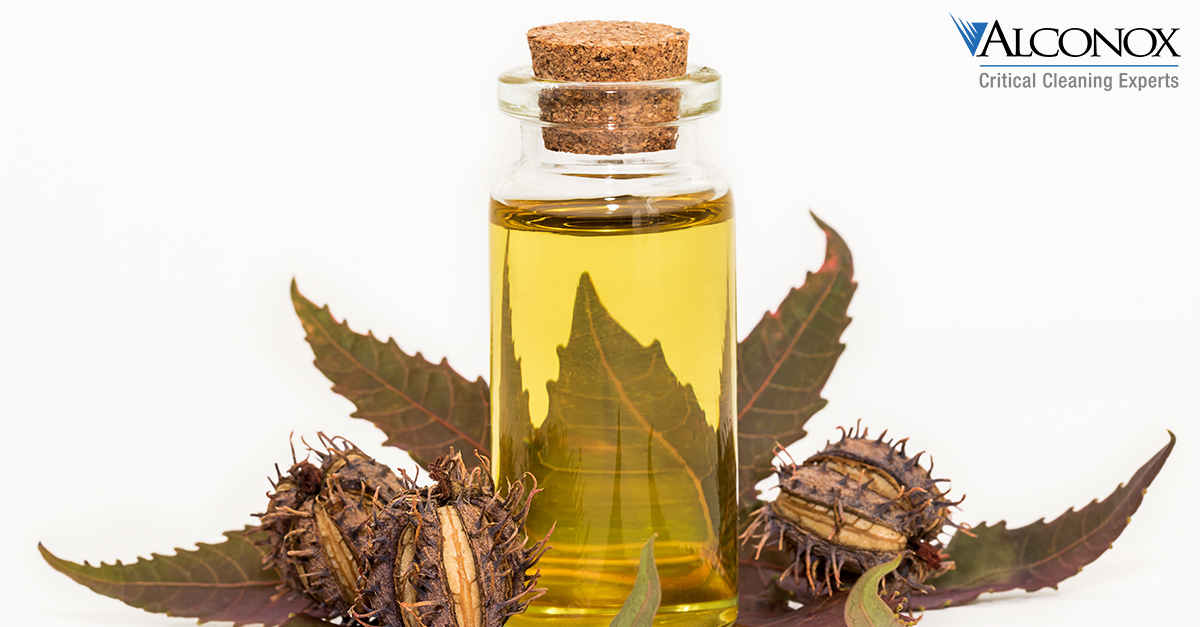
How to Clean Castor Oil in Pharmaceuticals and Cosmetics
Q: Were are having issues with castor oil residue in our pharma processes. What do you recommend?
A: Castor oil, derived from the seeds of the Ricinus communis plant, is a versatile oil used in a variety of industries from pharmaceuticals to cosmetics. However, in a manufacturing setting, cleaning castor oil residue can be challenging due to its thick and sticky nature.
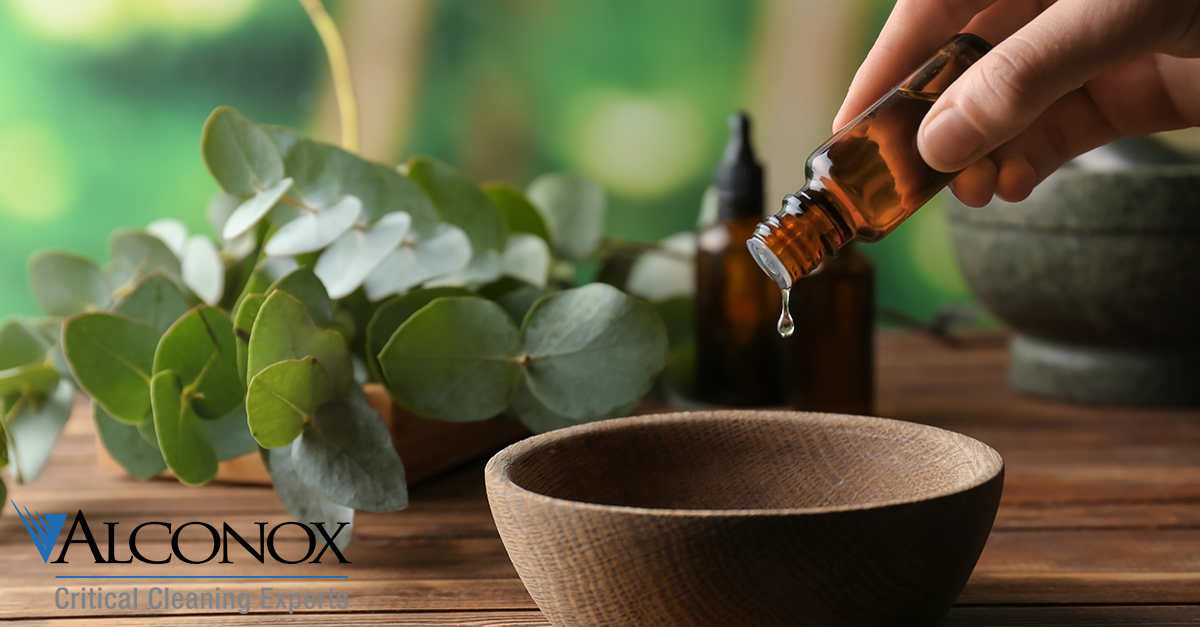
How To: Clean Oral Rinse Residues
Q: We need to do a better job of cleaning our manufacturing equipment for oral rinse. We are cleaning via CIP. Can you assist?
A: Oral rinses are designed to leave lingering scents. These aromatic residues like eucalyptus oil, peppermint oil, and other ingredients found in an oral rinses can therefore be tough to clean off manufacturing equipment between batches
Remove Endotoxin Residue
Q: Does Alconox detergent remove endotoxin?
A: Detergents like Alconox® Powdered Precision Cleaner and Liquinox® Critical Cleaning Liquid Detergent, and others, have been used for decades around the globe to create surfaces devoid of residues. A detergent cleaning is a vital part of a depyrogenation program.
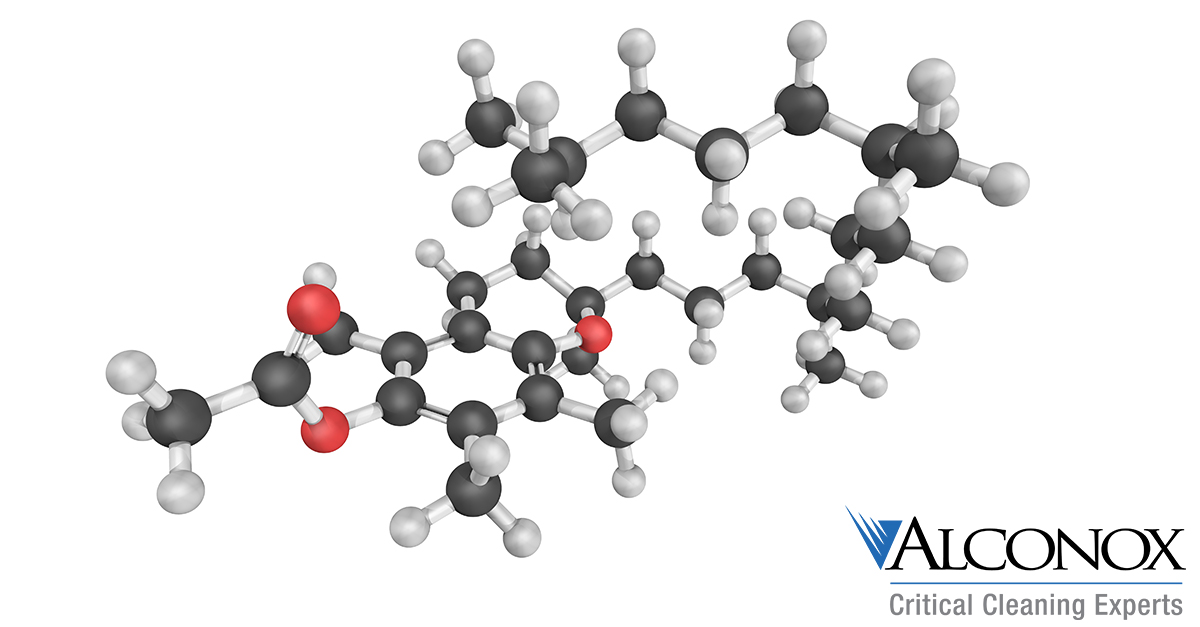
Vitamin E Cleaning
Q: You recently recommended hot water for cleaning cosmetics grade silicone that we were having a big problem with. That seemed to be the missing peace. We have the same struggles with Vitamin E Acetate. Should we use hot there?
A: Vitamin E acetate, or alpha-Tocopherol acetate, can definitely be a cleaning challenge. And indeed heat would be my initial recommendation.
