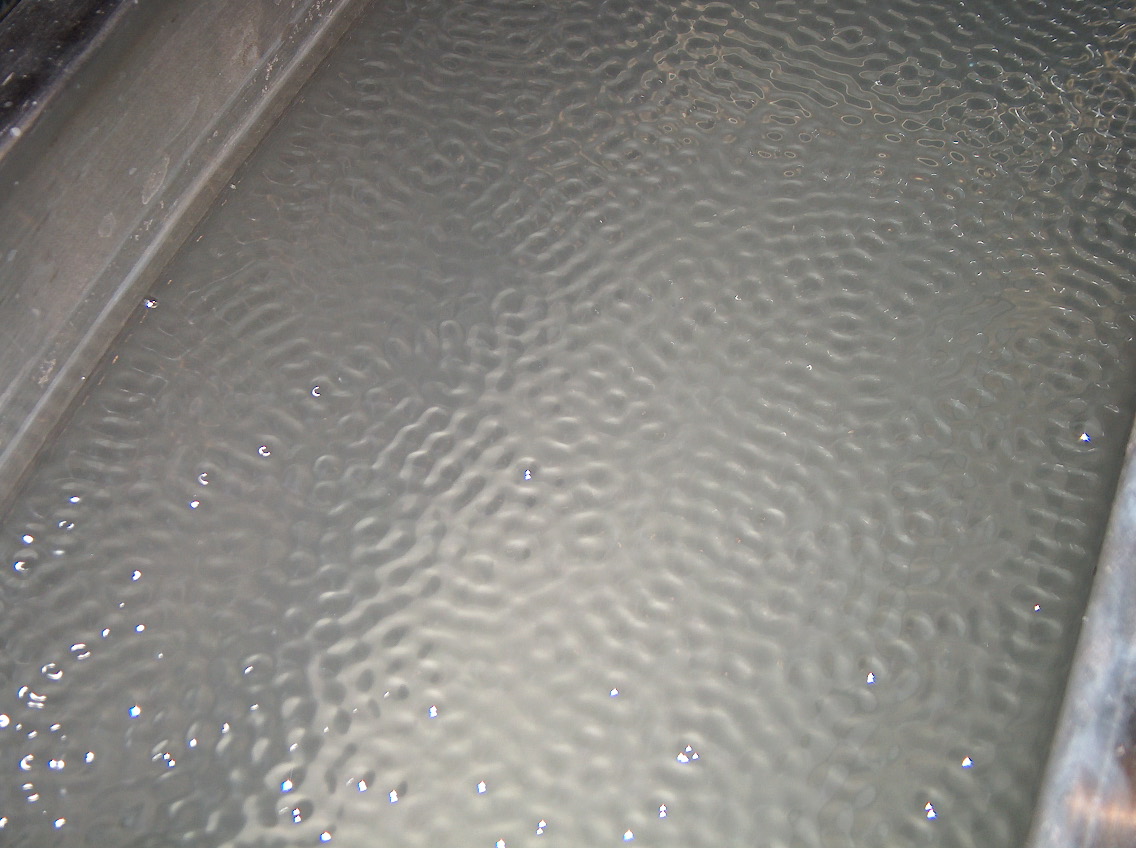
How to Clean Mold Release Agent from HDPE parts?
Q. We are looking for a product that will allow us to clean mold release agent from the surface of molded HDPE parts. A. The best way to reliably remove silicone based mold release agents is to immerse the HDPE parts in very hot (170ºF) 2% Alconox detergent followed by a very hot (170ºF) rinse, ideally both in ultrasonic tanks. After the first very hot rinse, normal ambient temperature rinsing can be done. This can also be done with stiff brushes, but of course protective equipment must be worn.
The theory behind this is that …

Cleaning Proteins: pH and Temperature
We run our caustic cleaning at pH 10-10.5. However, the specifications say the nominal pH of a 1% Tergazyme solution is 9.5 Are we compromising cleaning proteins / enzyme performance by using the higher pH and running as part of a caustic cycle? Can we run it at 110F or should we be lower?
Reactor Cavity Decontamination
Q. What cleaner does Alconox recommend for the decontamination of nuclear reactor cavities and related equipment?
A. Alconox, LLC recommends Detergent 8® Low-Foaming Ion-Free Detergent, a non-ionic, phosphate-free, homogeneous blend of an alkanolamine, glycol ethers and an alkoxylated fatty alcohol for decontaminating nuclear reactors and
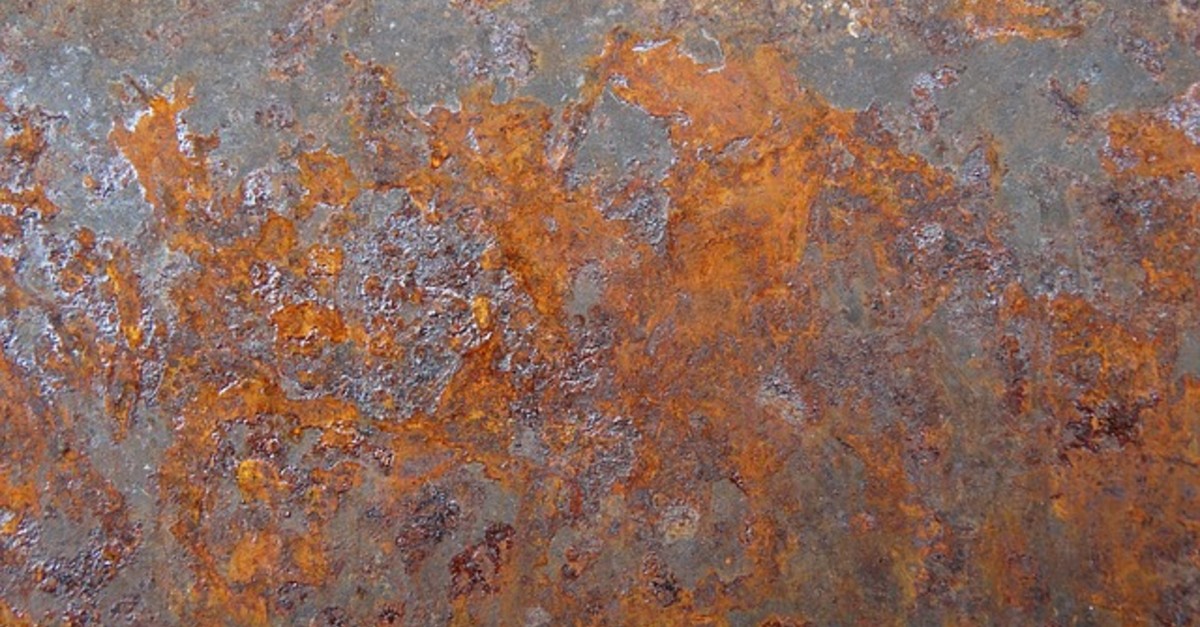
Automated and Ultrasonic Cleaning of P20 Steel
P20 is a low carbon mold steel and can be safely cleaned with an acidic detergent, which excels at removing inorganic residues like salts and oxidation.

Art Restoration with Liquinox Detergent
For cleaning and art restoration of paintings, we would recommend a gentle yet highly effective detergent…..
