
Would Citranox Be Safe To Use To Clean Diesel Fuel from Aluminum Castings, Bronze and Copper?
Q: We use Citranox in our manufacturing process to clean some aluminum castings. We have a customer that has a product that has been exposed to diesel fuel. Would Citranox be safe to use to clean diesel fuel from aluminum castings, bronze and copper? A: Yes, Citranox® Liquid Acid Cleaner and Detergent would be a safe detergent to use on these metals. We would recommend warm….

Which Detergent Is Best to Clean Fecal MPN Test Tubes in a Lab Washer
Q: Which of your detergents would be recommend to wash glassware used to clean Fecal MPN test tubes in a lab washer. Does it have an Inhibitory Residue Test? A: The borosilicate glass test tubes typically used in fecal Most Probable Number (MPN) assays need to be reliably clean each and every time….

How can I remove a radioactive lutetium drug residue?
Q: How can I remove a radioactive lutetium drug residue? A: Lu 177 (lutetium) and other radioactive metal drug residues can be tough to remove. We recommend warm or hot 2-3% dilution of Citranox (20 – 30mL/L) followed by a thorough water rinse to clean steel, plastic and other hard surfaces to decontaminate radioactivity.
Defining Free Rinsing Detergent
A non-free rinsing cleaner might contain fragrances that were designed to deposit and leave a fresh scent, or it might contain corrosion inhibitors that are designed to deposit and leave behind an anti-corrosion film.
Alconox, Inc, cleaners are free rinsing detergents and do not leave deposits on substrates after rinsing.
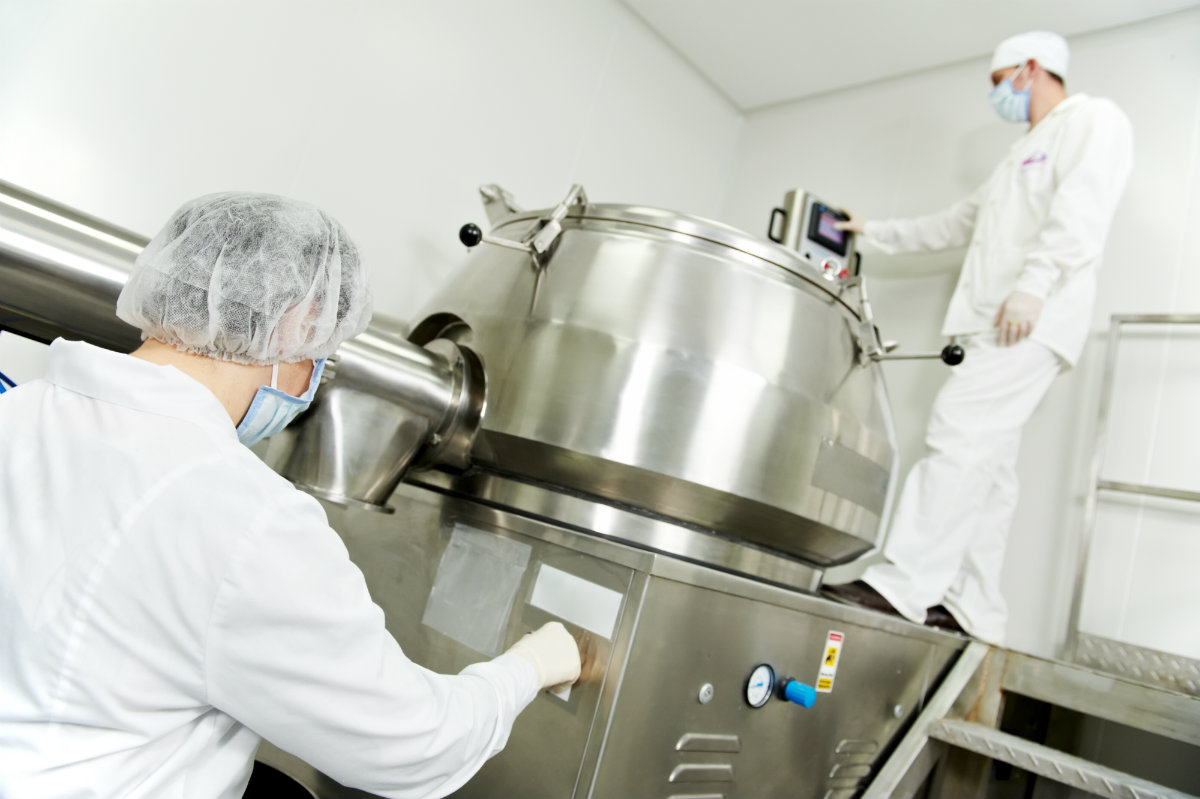
Cosmetics Cleaning: Removing Deodorant From Stainless Tanks
Q: How can we clean residual deodorant from our stainless steel tanks? It is proving very difficult. It is largely AlCl3.
A: Deodorant, designed to stay in place for obvious reasons, can be quite adherent on processing equipment. If it stays on skin for extended periods, which is designed to avoid residues, imagine what it does to stainless steel!
