
Removing Silicone Oil from a HDPE/ABS Medical Device
Q. We are looking for a product to effectively remove silicone oil from a HDPE/ABS medical device. We currently use a combination of washing treatments to efficiently remove the silicone oil.
A. Remove silicone oil with ultrasonic cleaning with extremely hot (over 170 F or over 77C) 2% Alconox detergent solution followed by a thorough rinse with water. Ideally, make sure the first rinse is with extremely hot water. Typically 10-20 minutes in ultrasonics is adequate to remove the residue.

Mystery Gray Deposits Left When Cleaning Glass Frits
Q: We’ve switched from base and acid baths to a Citranox solution for cleaning glassware used to distill H2S from marine sediments using Cr2 , concentrated HCl, and AgNO3. It seems to do a good job on most of the apparatus but we still see grayish deposits on the glass frits. Any suggestions?
A: The detail is appreciated. Whenever there is a “mystery” residue, whether it be on glass frits or any hard surface….

Remove Pigment from Colorant Dispenser
Q. Looking for a cleaner to remove pigments from pump and tubing colorant dispenser. It will be used in field paint stores and home centers.
A. In order to remove the challenging residue of paint pigments and dyes, you need a powerful emulsifier. Two great options…
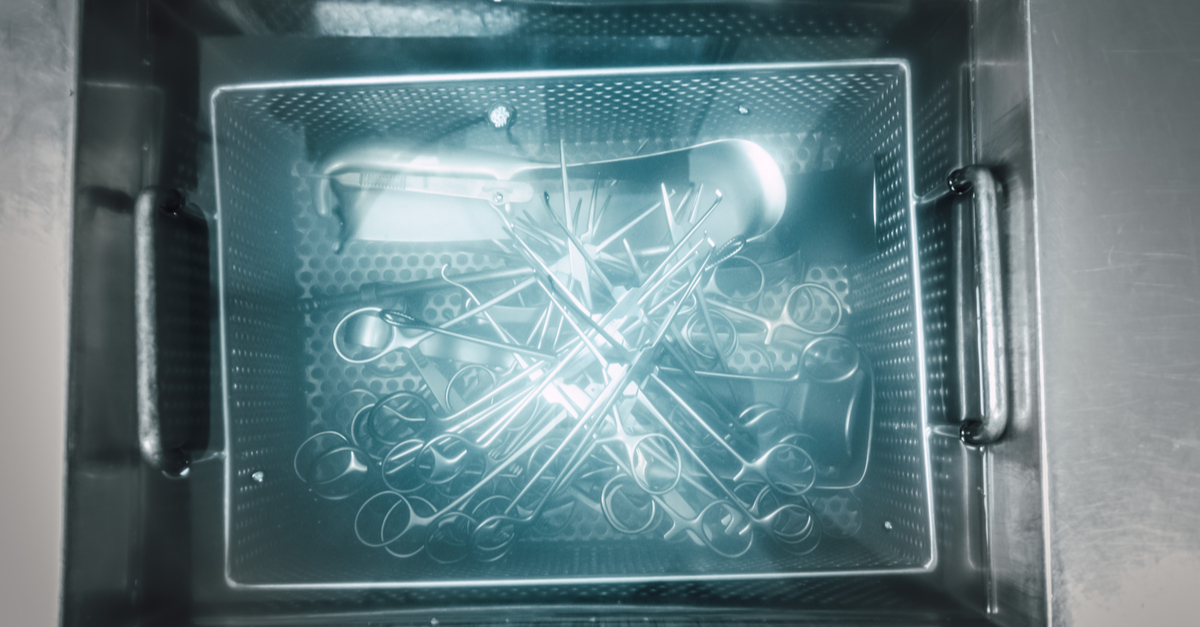
Determining When To Change Your Detonox Bath
Q: We are using Detonox detergent in our ultrasonic baths and are loving it. We use a visual inspection method (cloudiness of solution) to determine when to change the bath and are moving to conductivity and pH. It appears pH stays constant regardless of concentration?
A: As a broad statement, detergent concentration does very little to affect pH due to buffers, as well as salts, micelles, and other constituents. A pH meter wouldn’t be used to control for concentration on anything but very gross scales.

Cannabis Industrial Marketplace Webinar: Senior Director of Strategic Affairs, Michael Moussourakis
Please join our Senior Director of Strategic Affairs, Michael Moussourakis, on Oct. 27th, 2020, 1:30pm EDT for a webinar titled: “Critical Cleaning – The Key to Quality & Safety.” This webinar series was developed in an effort to bring serious…
