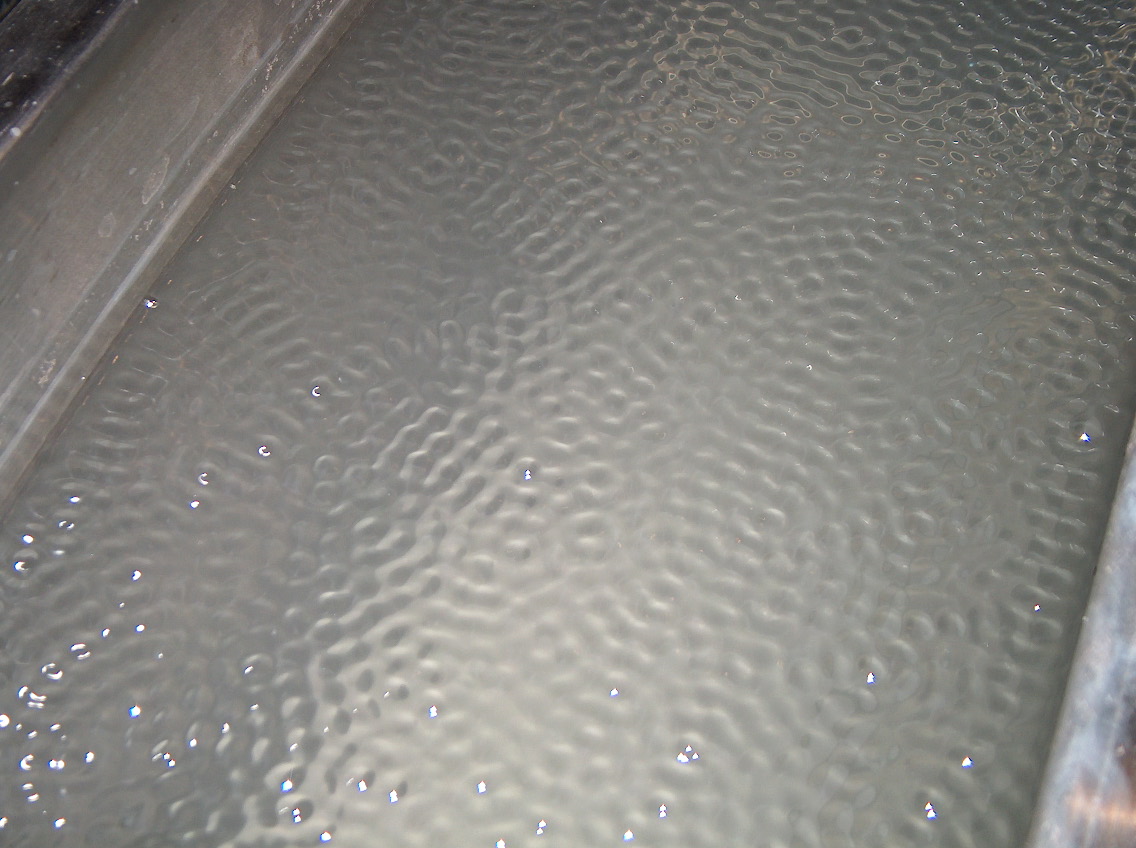
How to Clean Mold Release Agent from HDPE parts?
Q. We are looking for a product that will allow us to clean mold release agent from the surface of molded HDPE parts. A. The best way to reliably remove silicone based mold release agents is to immerse the HDPE parts in very hot (170ºF) 2% Alconox detergent followed by a very hot (170ºF) rinse, ideally both in ultrasonic tanks. After the first very hot rinse, normal ambient temperature rinsing can be done. This can also be done with stiff brushes, but of course protective equipment must be worn.
The theory behind this is that …
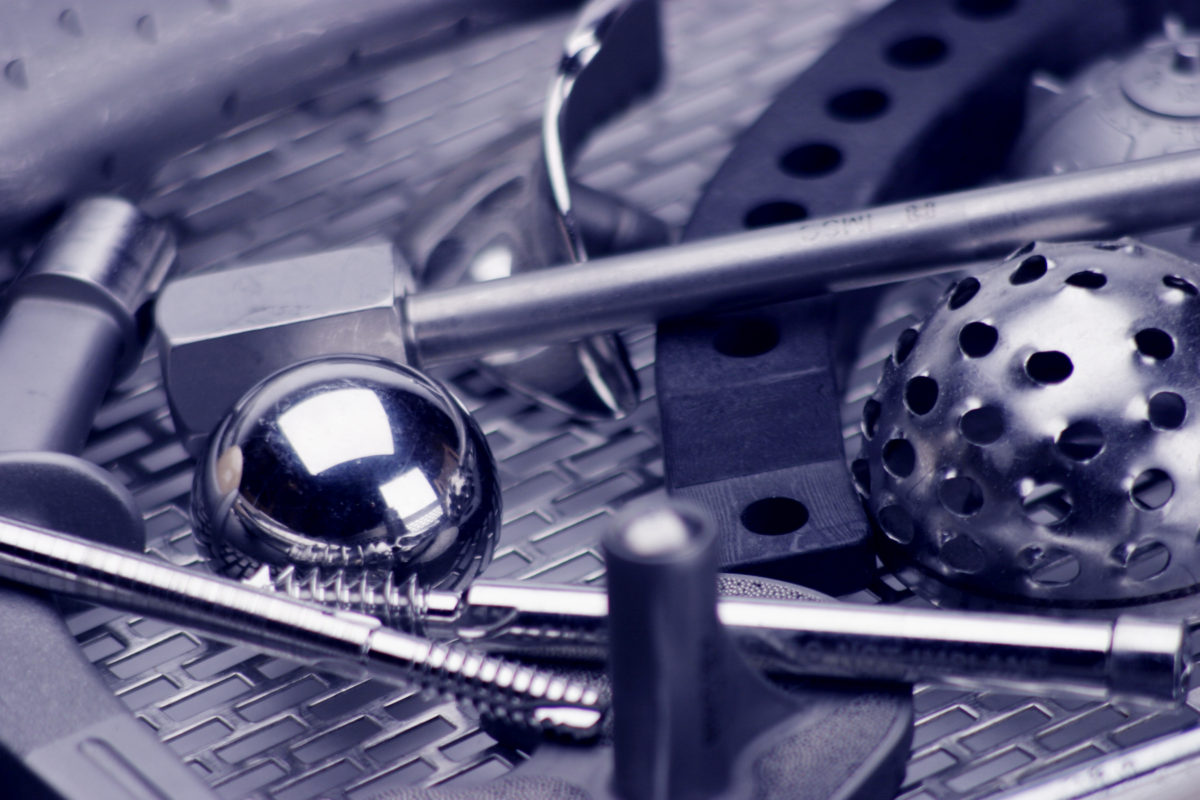
Pre-soak for Tough Residues in Medical Device Cleaning & Reprocessing
Q. We reprocess single use medical devices and we are having trouble getting organic and biological residue out of crevices. It is requiring cleaning for a much longer time than we can support in our processes. We’ve started to do pre-soaking as we read that this would help, but we’re a little concerned we are not doing that optimally either. Can you make recommendations?

Cannabis Manufacturing Cleaning: Removing Cannabis Residue
Q: We are manufacturing cannabis products but are struggling with cleaning cannabis residue. We cannot find any current Good Manufacturing Practice (cGMP) documentation to help us. Can you help us?
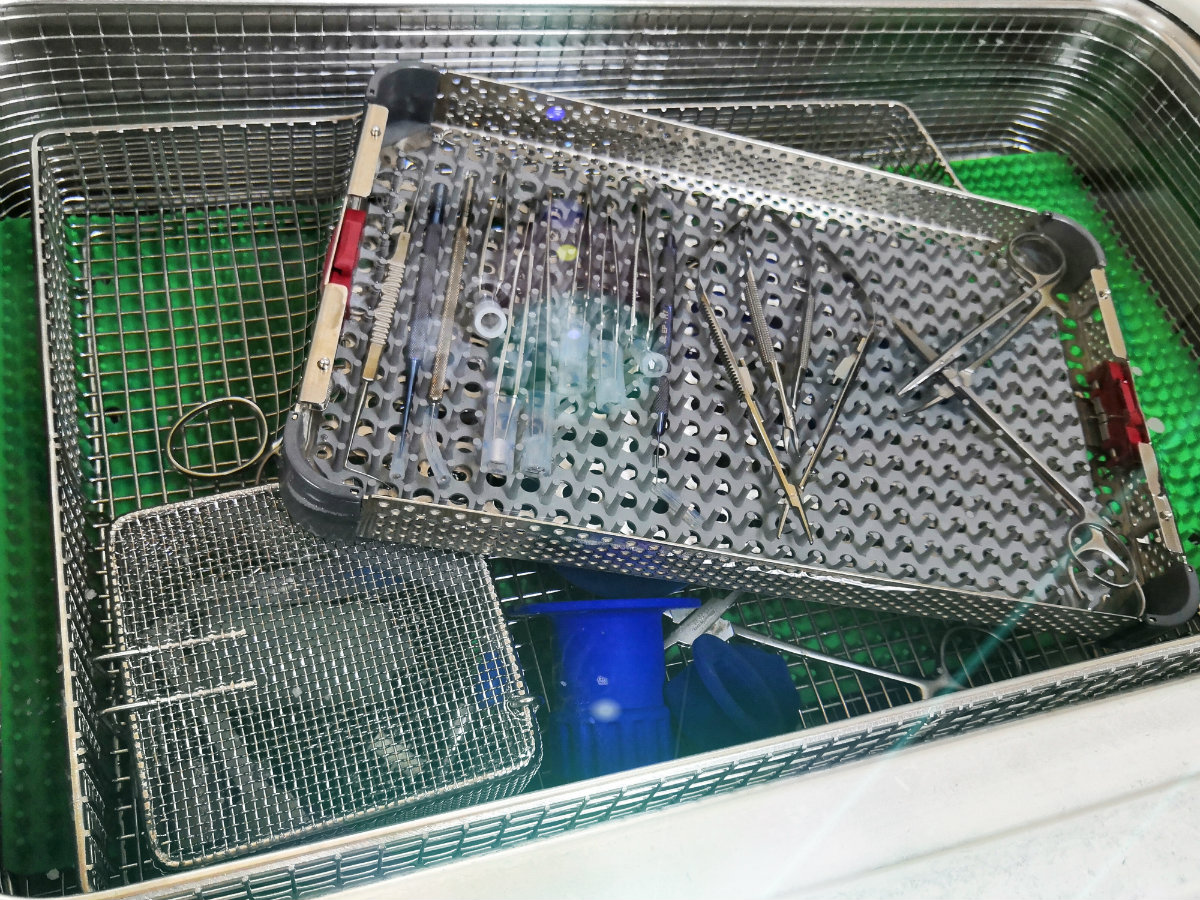
Ultrasonic Cleaning: Detergent Bath Life
Q: We manufacture medical devices. Can we use our Alconox or Citranox bath solution more than once? How do we know that we need to change the solution?
A: For the highest level of cleanliness, you only use a solution once. In general, in a medical device manufacturing and cleaning operation, a detergent bath will typically easily last for 8 hours.
For example, you can make up a fresh Alconox® or Citranox® solution once a day and then verify that the pH has not changed more …
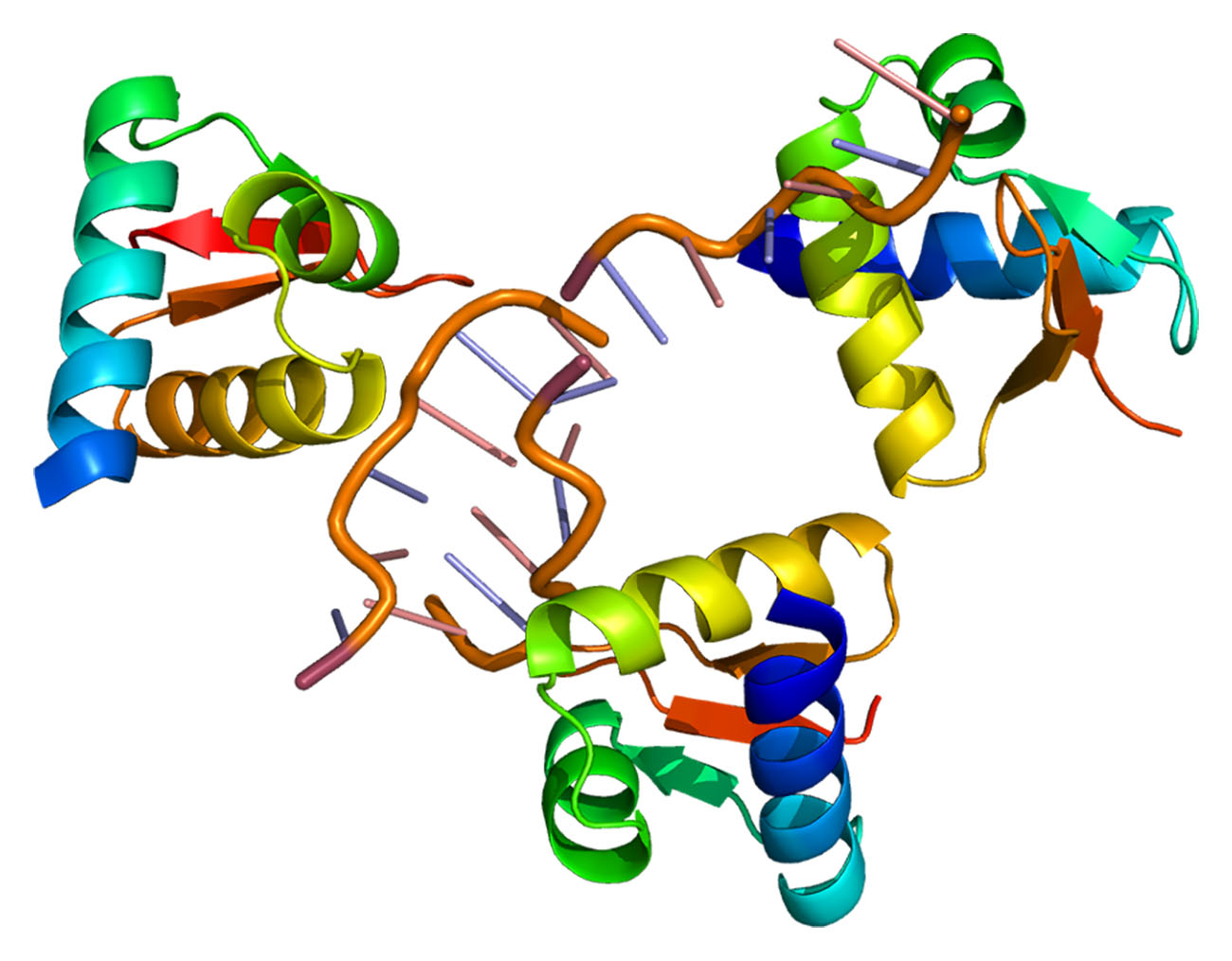
Alconox, Inc. Detergents and Continuous Bioprocessing
Q. How can Alconox detergents assist with our movement to continuous bioprocessing? A: Continuous bioprocessing is an exciting newcomer to the biotech realm. It has been used in industries such as food and chemicals for some time, effectively so. With improvements in cell culture perfusion, and the many forms of disposable technologies on the market, footprints can be reduced making continuous processing for biotech products a reality for many applications.
