Alconox, Inc. Detergents and Continuous Bioprocessing
Q. How can Alconox detergents assist with our movement to continuous bioprocessing? A: Continuous bioprocessing is an exciting newcomer to the biotech realm. It has been used in industries such as food and chemicals for some time, effectively so. With improvements in cell culture perfusion, and the many forms of disposable technologies on the market, footprints can be reduced making continuous processing for biotech products a reality for many applications.
Brix vs. Conductivity: Measuring Ultrasonic Bath Concentration
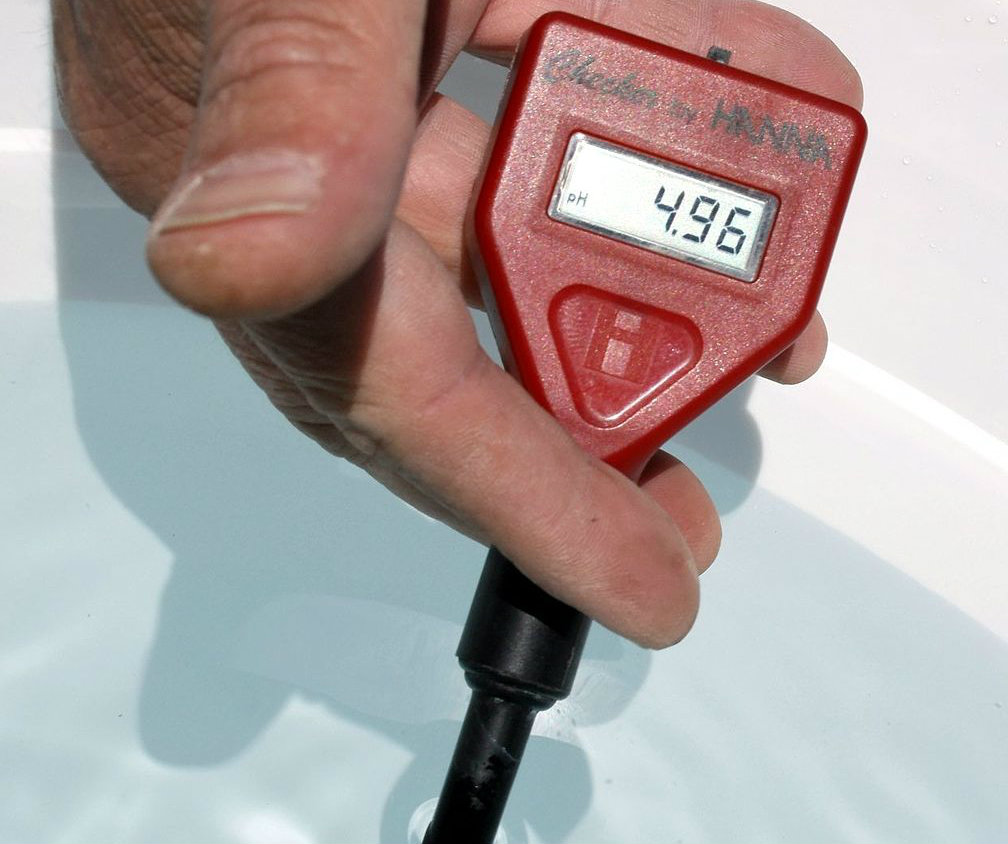
Several years ago, our plant was directed to use the Refractive Index as a method of letting us monitor bath concentration during ultrasonic cleaning with your Liquinox detergent. More recently, our factory in Asia switched to Liquinox and were directed to use a conductivity measurement to monitor concentration. I decided to measure our cleaning bath using both methods and found a discrepancy — the brix (Refractive Index) reading was slightly above 1% concentration, but the Conductivity reading was nearly 2% concentration.
Lab Pipette Cleaning: Removing Wax
What is the best way for removing wax from pipettes and glassware? The best way to clean wax and petrolatum from pipettes is to use very hot 1% solutions.

Let’s Talk Detergent Foam
Q: Why is Liquinox not recommended for automated washer use?
A: It’s all about the foam. Liquinox® Critical Cleaning Liquid Detergent is a powerful emulsifier of organic and oily residues, and contains high-foaming surfactants.
While making a mess may come to mind, there’s more at play…

No Liquinox Algae Bloom
Q: Will Liquinox cause algae bloom? A: No. Liquinox will not cause algae bloom. Here’s why. There are several important factors concerning discharge of spent cleaning solutions into the environment: biodegradability, aquatic toxicity and eutrophication acceleration. Algae blooms relate specifically to eutrophication.
The primary source of eutrophication is…
