Labware Cleaning: Pre-soaking Pipettes
Q. Why is it important to pre-soak pipettes in 1% Alconox or Liquinox before washing in pipette siphon washer with Alcotabs?
A. The most common problem in pipette cleaning is residues that dry on after use and prior to cleaning. This problem is attributed to the failure to pre-soak the pipettes immediately after use. Our technical experts at Alconox recommend placing soiled pipettes in 1% Alconox or Liquinox solution immediately. Learn More.
Minimum Detergent Concentration?
My question is related to a minimum detergent concentration. We manually wash labware of all sizes in 0.3% Liquinox solution. We also pre-wash or pre-rinse the labware and control our parts load. We rarely have failures. We want to change our protocol to extend the wash water use for one day instead of based on a numerical parts load. Do you think a 0.3% Liquinox concentration is sufficient detergent capacity to go an entire day?
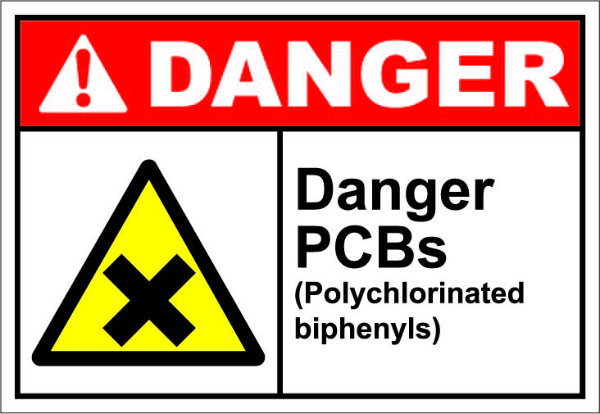
Removing Polychlorinated Biphenyls (PCBs)
Is Alconox and/or Liquinox an effective detergent for rinsing and removing polychlorinated biphenyls (PCBs) from non-porous surfaces (such as excavation equipment)? We have a great deal of experience with remediating PCBs with both powdered and liquid concentrate detergent options.

Cleaning Environmental Equipment for Testing Ammonia Levels
Q. I am doing environmental testing for ammonia levels and need to properly pre-clean all objects that will come into contact with our samples. We were thinking of using Liquinox. Is it ammonia free? Will it interfere with sample results?
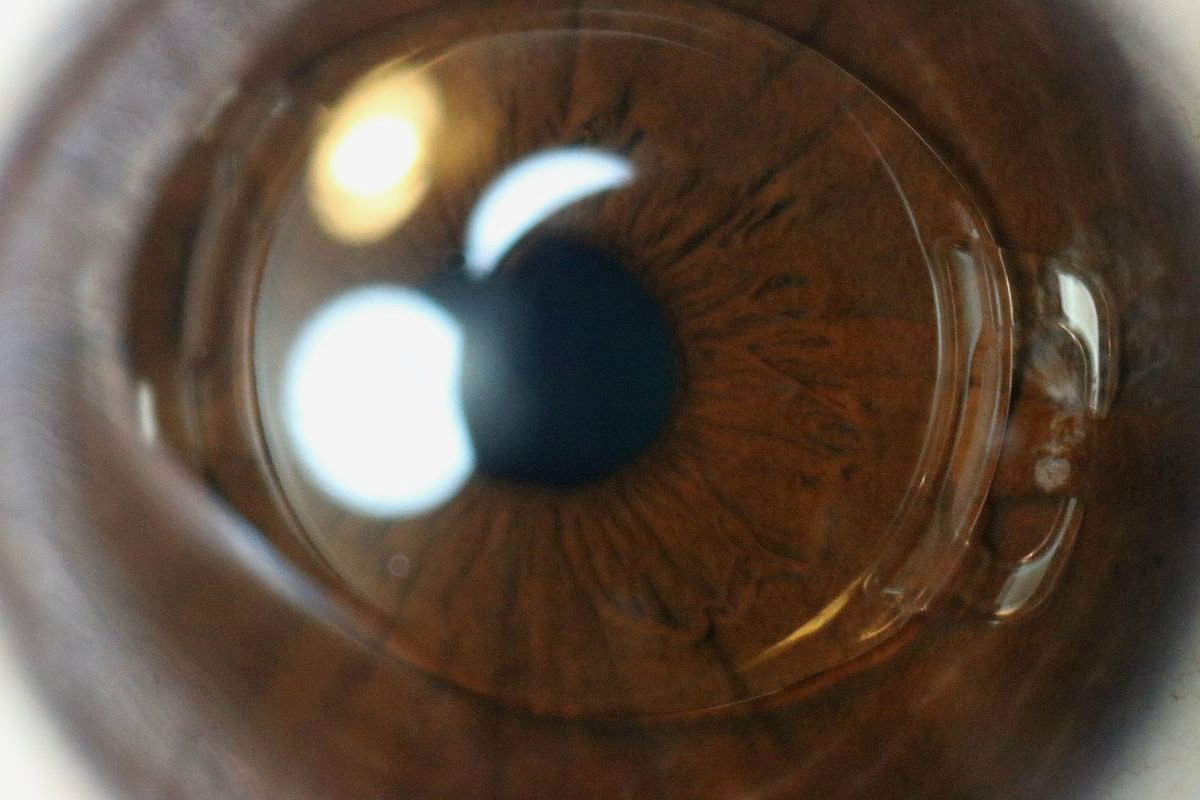
Medical Device Cleaning: Soft Acrylic Intraocular Lenses (IOLs)
Q: We are cleaning both hydrophilic and hydrophobic acrylic polymers. The cleaning process we use is mostly manual, involves no extended soaking, rather short contact with rubbing, and/or usage in an ultrasonic bath. Which of your products — Alconox, Tergazyme or Liquinox — would be most suitable for the cleaning of soft acrylic intraocular lenses (IOLs)?
