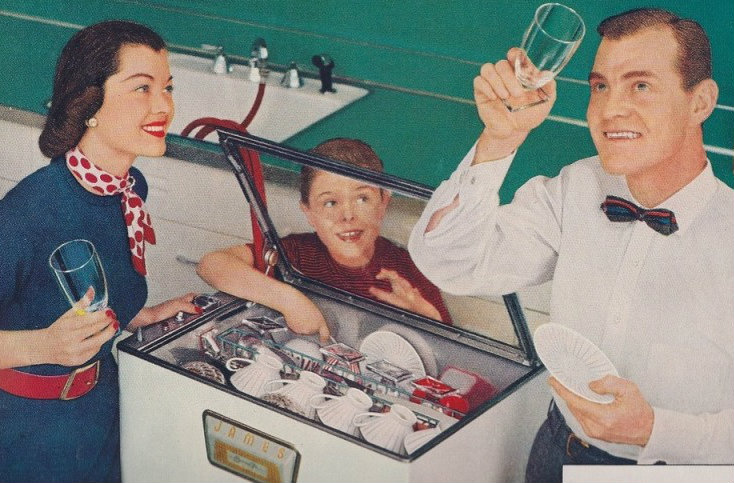
Laboratory Cleaning: Best Practices Using a Household Dishwasher
Q. Our lab just has a regular household dishwasher that we use to clean labware. I heard this is not ideal, but it’s what we have. We’re using Alcojet detergent, but the instructions say to turn it into a liquid by diluting….
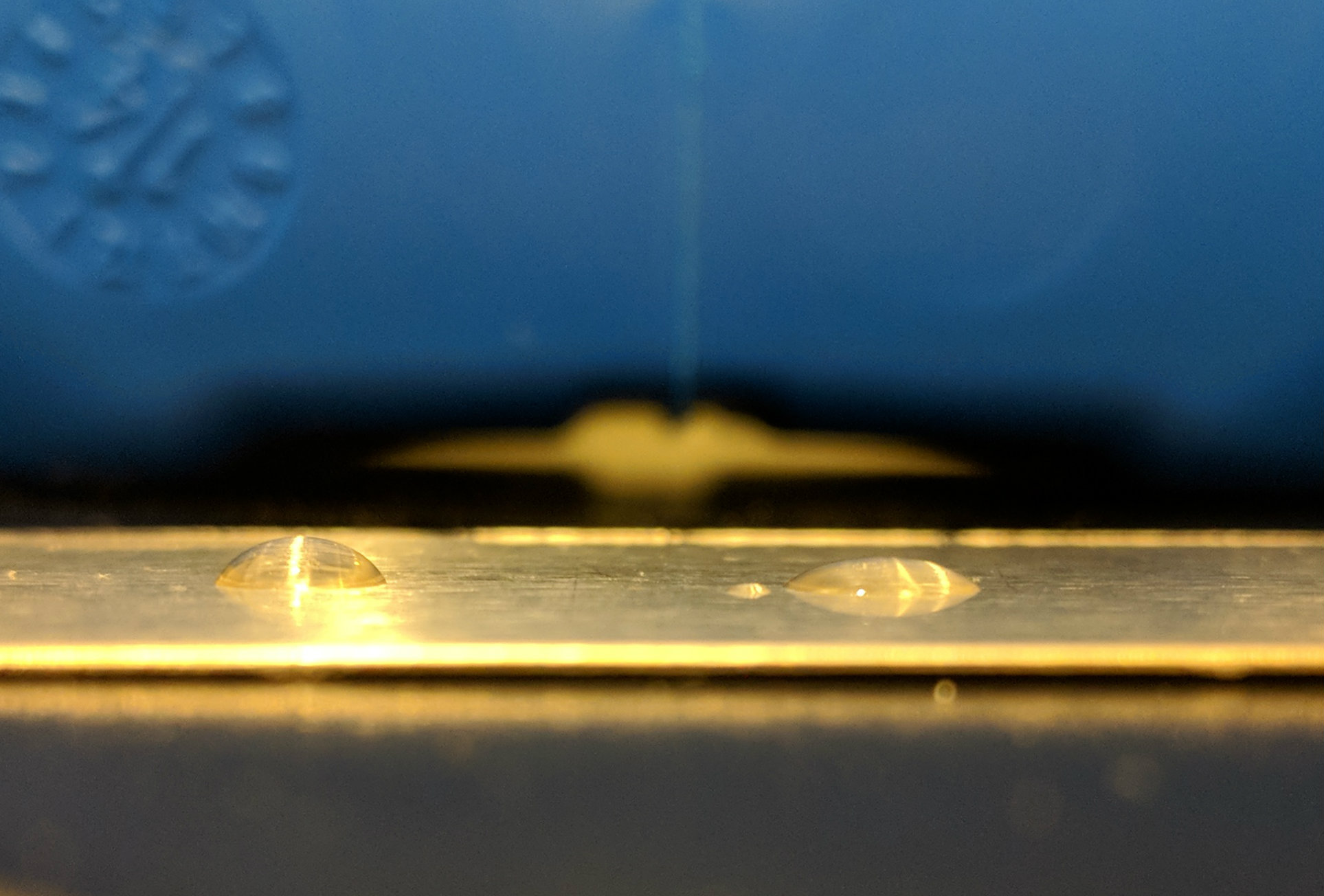
Measuring Surface Tension without Tensiometer?
Q. Is there any way to “eyeball” surface tension to see if it’s dropping when roughly measuring concentration or bath life?
A. To numerically measure surface tension, you need a tensiometer and this is the recommended method. Tensiometers come in many varieties including…
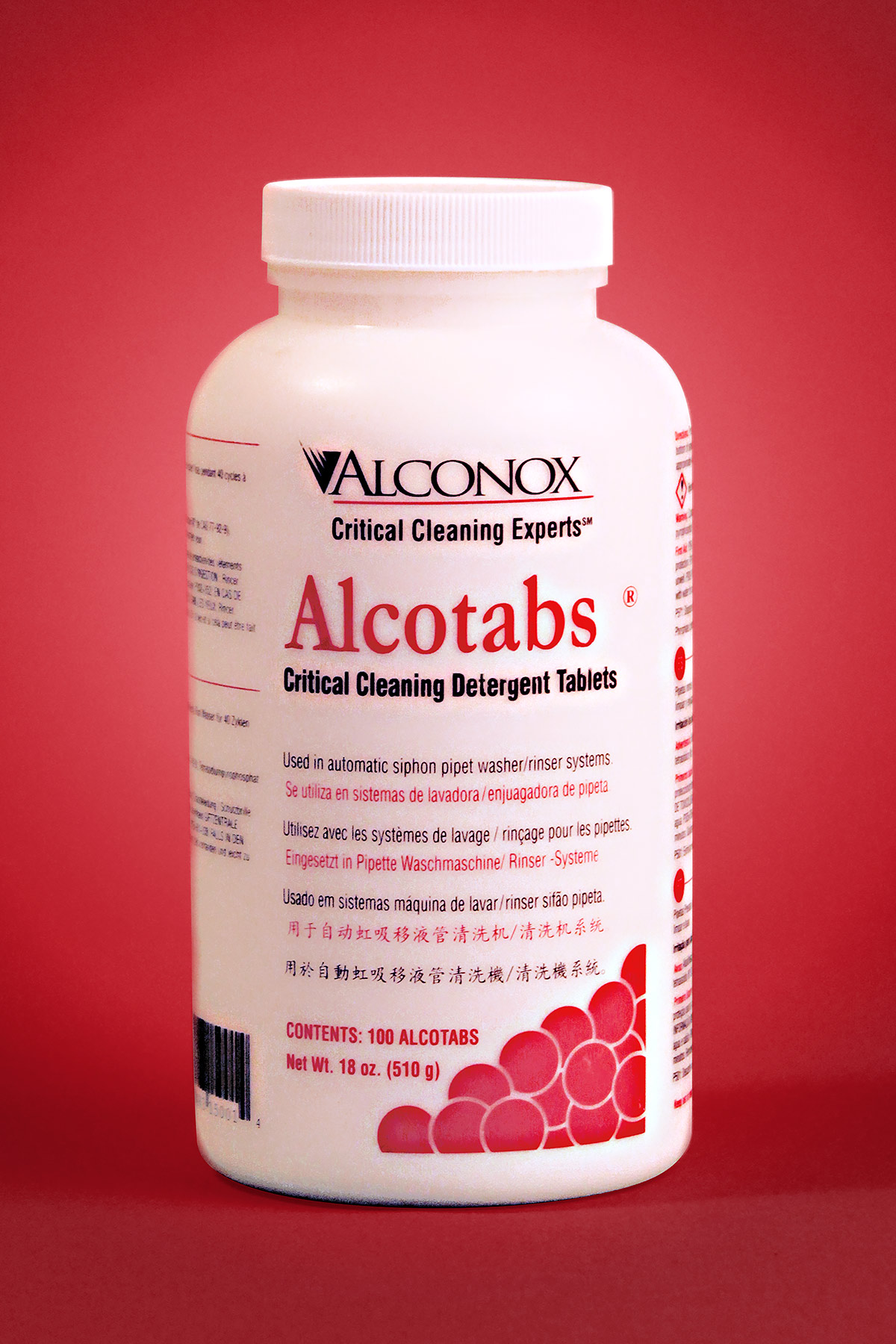
Pipet Cleaning with Alcotabs
Q. Lab pipets will not deliver and measure accurately or they may contaminate reagents if they are not cleaned. Their narrow tubular shape is difficult to clean.
A. Use a siphon pipet rinser with Alcotabs …
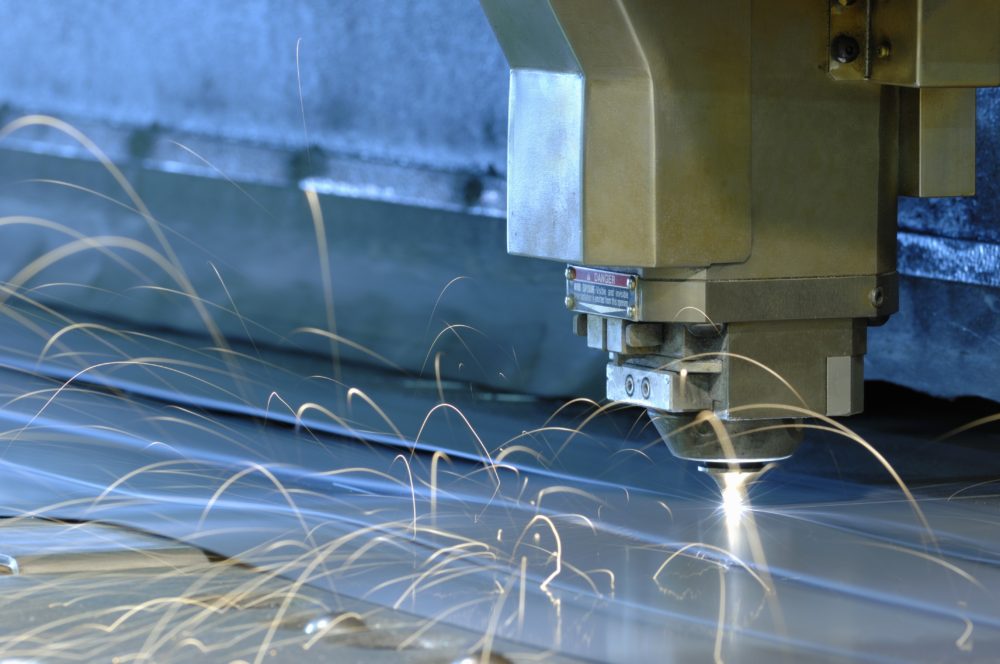
Choosing Ideal Detergent for Cleaning Metal Parts
Q. We are currently writing a protocol for conducting a process validation activity for our cleaning procedures for metal parts after our machining manufacturing process. What are the differences between cleaning effectiveness of Alconox detergent for cleaning various metallic surfaces such as stainless steel, titanium and cobalt chrome? Also, does Alconox detergent effectiveness change based on contamination characteristics, surface geometry or any other factors?
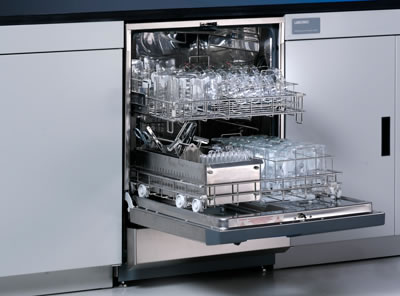
How to Clean Labware: Automated Washer Detergent
Q. Liquinox foams too much to use in the labware washer. We test for phosphate, so we need a phosphate free detergent. We need a cleaner that will clean off any testing residual on glass and plastic without leaving any interference.
A. Detergent choice for cleaning labware in an automated laboratory washer depends upon whether you use powered or liquid detergent. Click for details. For powdered detergent, use Tergajet phosphate-free low foaming powdered detergent, catalog number 2204 for the 4 lb box size. For a liquid detergent, use Solujet phosphate free low foaming liquid detergent, catalog number 2101 for the 1 gallon size.
