Using High Foam Detergent in an Automated Ultrasonic Cleaning Line
Q. Can we use high-foaming detergents in an automated cleaning line?
A. Yes, but using a high-foam detergent requires a rinse chamber that allows foam to rinse off and drain easily and completely. If the automated line uses initial spray rinsing right after the wash tank
Best Detergent for Polyamides
As you likely know, the Ixef® PARA is part of polyamide family and, as such, has an inherent chemical resistance. While Ixef® compounds display a good resistance to chemical reagents, the amide function in the resin matrix makes them sensitive to certain chemicals. Therefore, we like to recommend….

Eliminating potential for phosphates in rinse water
Q: I work in a lab in Ohio and there is a lot of talk now about phosphates causing algae bloom and the resulting microcystins in the drinking water. Does Alconox have phosphate-free detergents that are good cleaners?

Cleaning Silicone Grease Residue Build Up in a Parts Washer
Q. Our parts washer uses a 2.5 hour cycle following a manual wash. A build up of silicone grease is observed. Our preference is to reduce manual cleaning. Is there a cleaning agent available that can remove silicone grease that would be compatible with a parts washer using water as the cleaning agent?
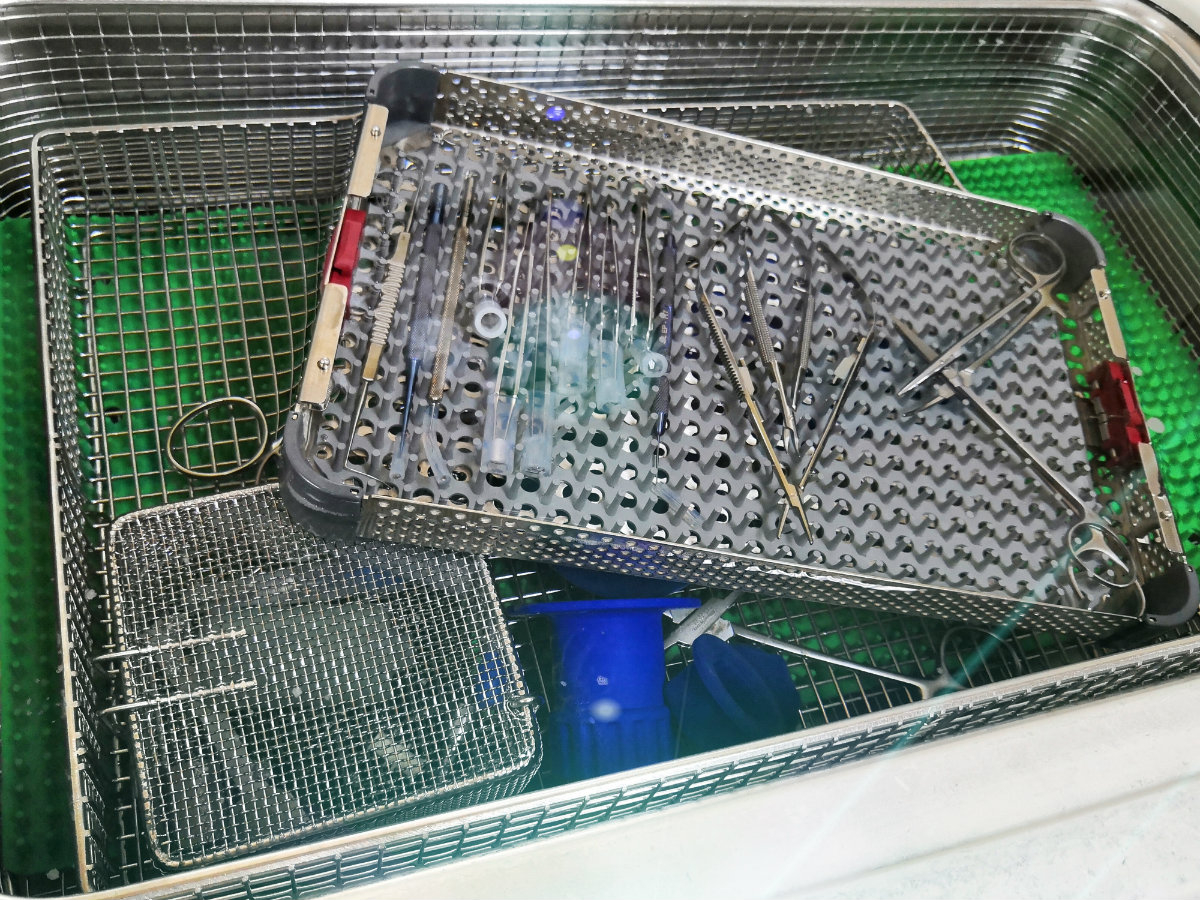
Ultrasonic Cleaning: Detergent Bath Life
Q: We manufacture medical devices. Can we use our Alconox or Citranox bath solution more than once? How do we know that we need to change the solution?
A: For the highest level of cleanliness, you only use a solution once. In general, in a medical device manufacturing and cleaning operation, a detergent bath will typically easily last for 8 hours.
For example, you can make up a fresh Alconox® or Citranox® solution once a day and then verify that the pH has not changed more …
