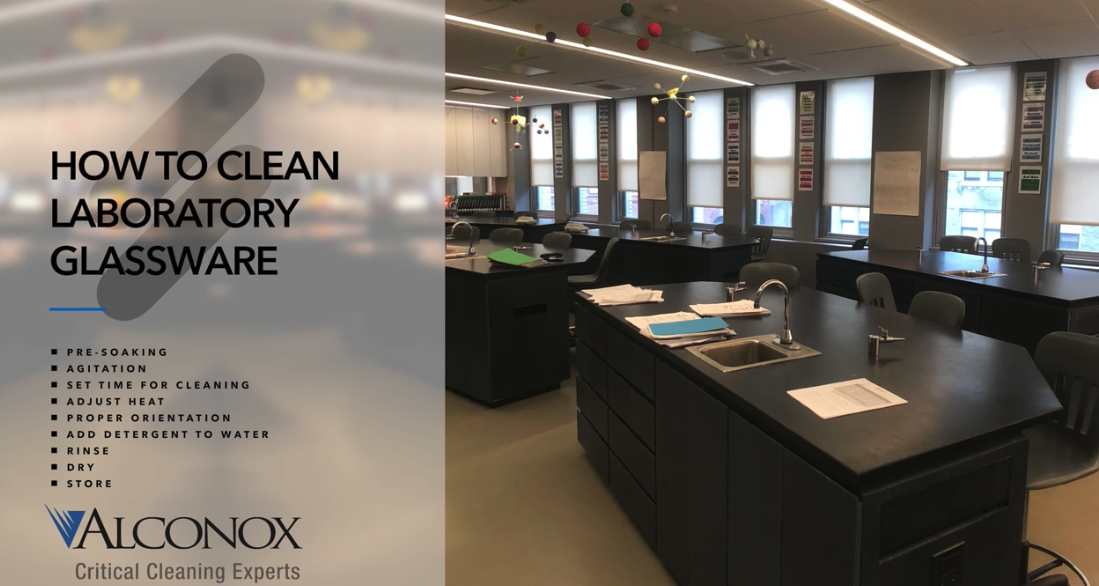
How to Clean Laboratory Glassware
Clean laboratory glassware is essential in all laboratories. No scientist, engineer, laboratory technician, or analyst has time to fail an experiment because of contaminated glassware.
Good, well-built, precision detergents (like the Alconox, Inc. portfolio of course) can make up for quite of bit incomplete, inefficient or incorrect glassware cleaning techniques.
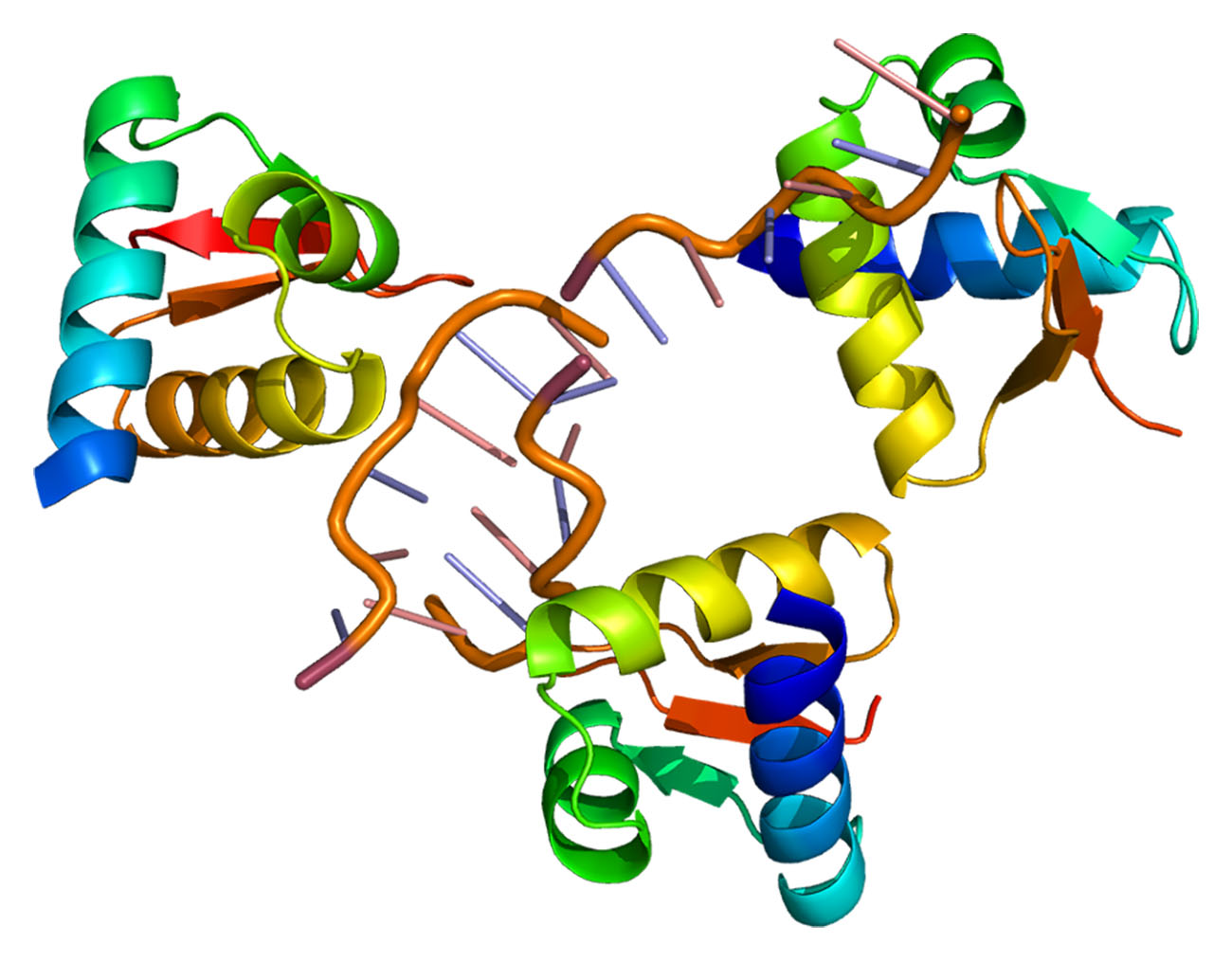
Alconox, Inc. Detergents and Continuous Bioprocessing
Q. How can Alconox detergents assist with our movement to continuous bioprocessing? A: Continuous bioprocessing is an exciting newcomer to the biotech realm. It has been used in industries such as food and chemicals for some time, effectively so. With improvements in cell culture perfusion, and the many forms of disposable technologies on the market, footprints can be reduced making continuous processing for biotech products a reality for many applications.
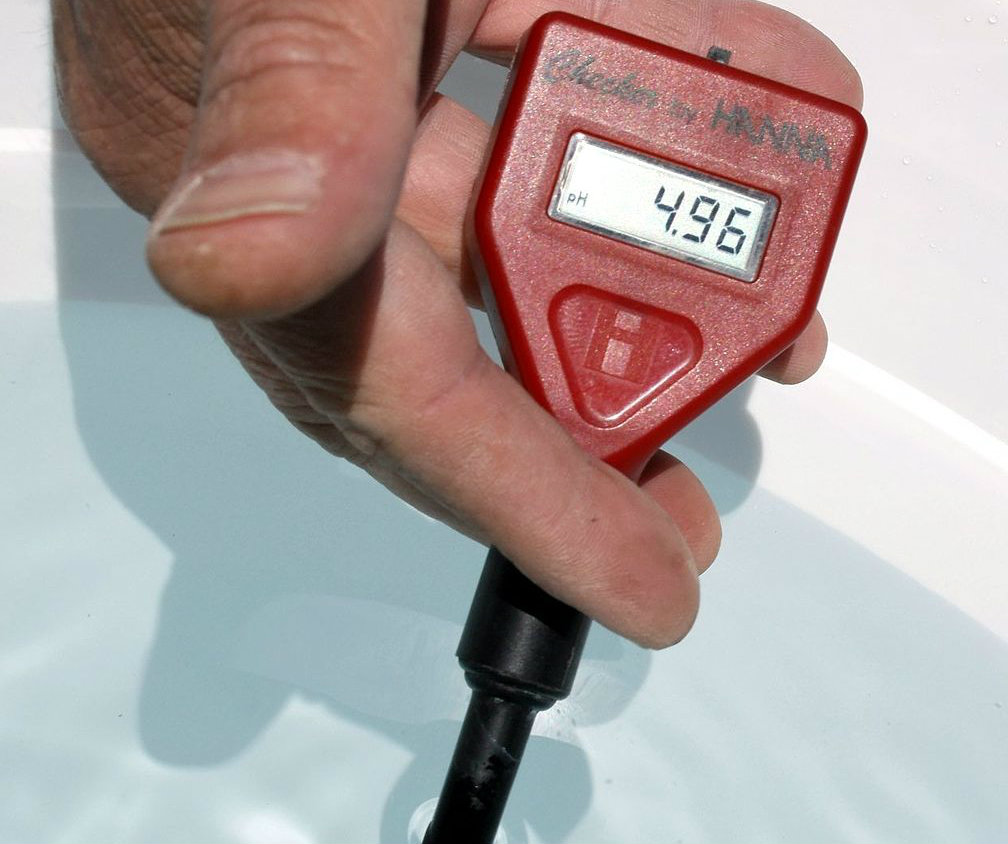
Brix vs. Conductivity: Measuring Ultrasonic Bath Concentration
Several years ago, our plant was directed to use the Refractive Index as a method of letting us monitor bath concentration during ultrasonic cleaning with your Liquinox detergent. More recently, our factory in Asia switched to Liquinox and were directed to use a conductivity measurement to monitor concentration. I decided to measure our cleaning bath using both methods and found a discrepancy — the brix (Refractive Index) reading was slightly above 1% concentration, but the Conductivity reading was nearly 2% concentration.

How to: Follow Alconox, Inc. on Social Media
Q: Where can I find Alconox, Inc. resources online? Are you on social media?
A: Yes! In addition to finding information at Alconox.com, you can find us on our official channels at Facebook, Twitter, YouTube and on LinkedIn.

Cleaning Toothpaste from Mixing Tank
Q. We work with several cosmetic products. One is particularly troublesome… how do we get toothpaste from our mixing tank?
A. Removing toothpaste from a mixing tank, assuming stainless steel, requires heat. Use of an effective, free-rinsing detergent such as Solujet® Low-Foaming Phosphate-Free Liquid if a Clean-In-Place (CIP) cycle is intended, or…
