
Bleach with Detergents for Disinfection?
Q. What is the effect of adding bleach to Alconox, LLC products? We want to enhance our disinfection capability.
A. Some Alconox, LLC critical cleaners can be mixed with bleach (hypochlorite) for enhanced removal of bioorganic matter, bleaching or oxidizing properties, including: You can get some disinfection, but as we will explain, you need to clean a surface first before you disinfect.

Exposure of Tergazyme to Elevated Temperature During Storage
Q: I am contacting you to ask for more info regarding the stability of Tergazyme as we encountered a temperature deviation during shipment. The exposure temperature was 47C for about 3 hours.
A: Dry powdered Tergazyme® Enzyme-Active Powdered Detergent will be fine with a 3-hour excursion to….
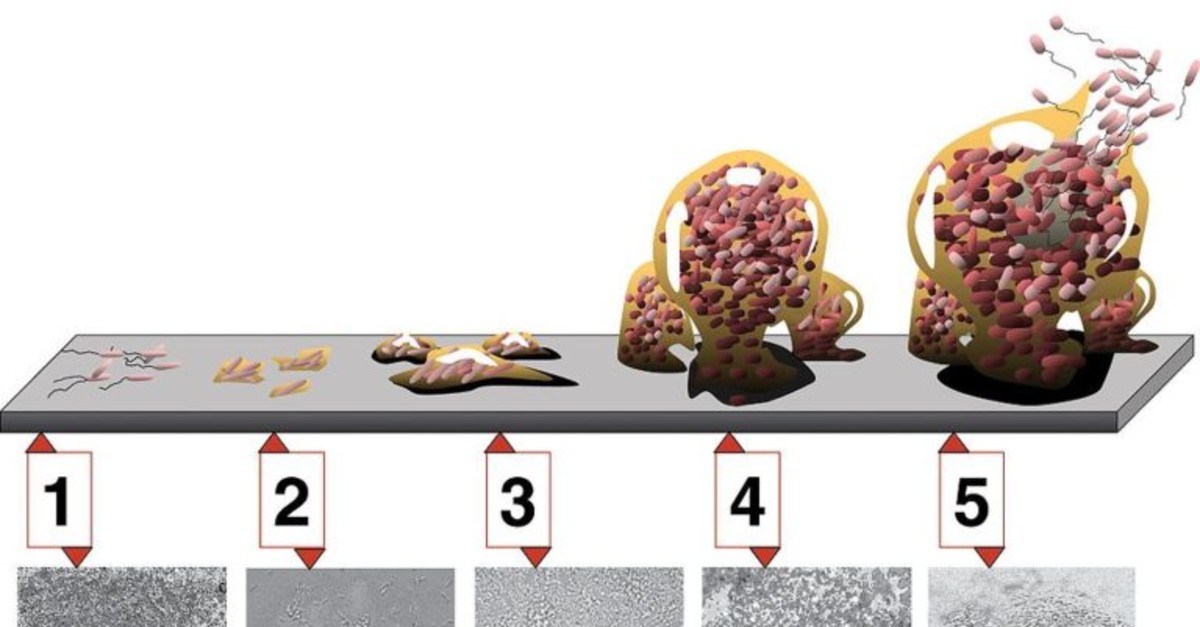
Advanced Cleaning Mechanisms: How to remove biofilm
In order to “kill off” any microbial residue, a cleaning and removal of inanimate and organic matter is a must. This would follow with the disinfecting, “kill” step if you will, with an EPA registered disinfectant. To prepare for removal of biofilms on stainless steel via a registered disinfectant, use a two-step process of Solujet alkaline cleaner followed by Citrajet acidic cleaner. Or consider our highly effective enzymatic detergent for use in manual applications including scrubbing, soaking, sonciation or low agitation cleaning in place.
How to: Reduce Cleaning Time
Q. What can we do to reduce cleaning time? We want to be as optimal and thorough in our cleaning as possible.
A. At Alconox Inc we recognize that manual cleaning may take minutes, spray cleaning seconds, and soaking may take hours, possibly overnight, to achieve comparable cleanliness. Read more….
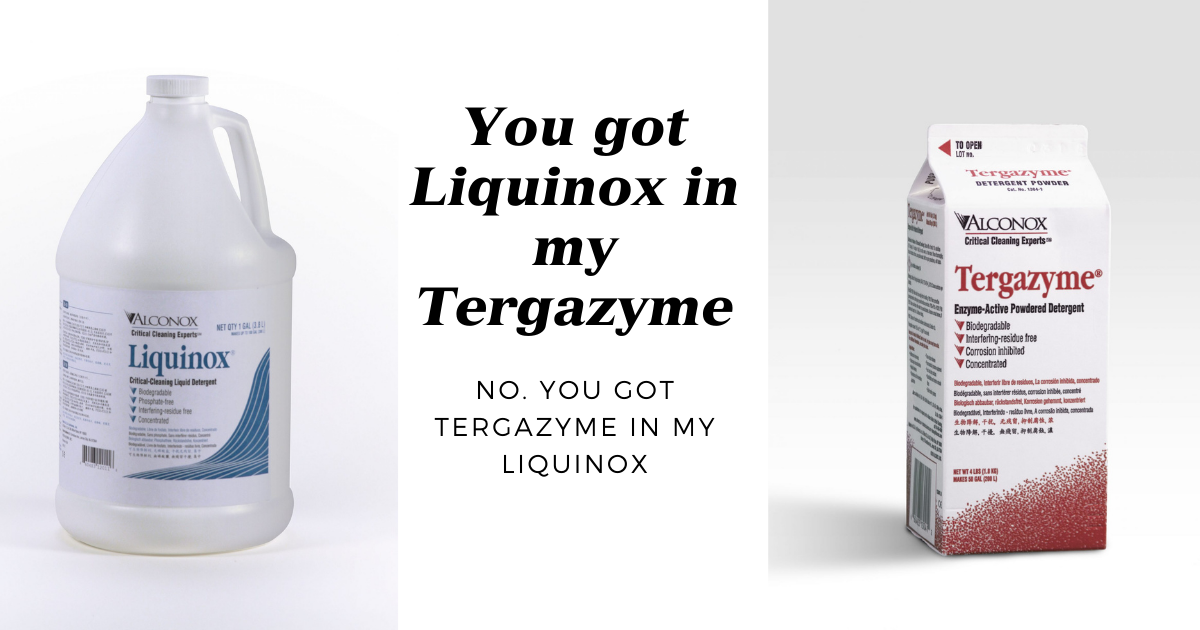
Improving Tergazyme Detergent
Q: We have an array of tough proteinaceous and oily residues. I am considering adding a non-ionic surfactant like Triton X-100 to a normally prepared solution of 1% Tergazyme, is there any data about whether or not that would damage the enzyme? Is it a way of improving Tergazyme?
