How to Clean Laboratory Glassware
Clean laboratory glassware is essential in all laboratories. No scientist, engineer, laboratory technician, or analyst has time to fail an experiment because of contaminated glassware.
Good, well-built, precision detergents (like the Alconox, Inc. portfolio of course) can make up for quite of bit incomplete, inefficient or incorrect glassware cleaning techniques.
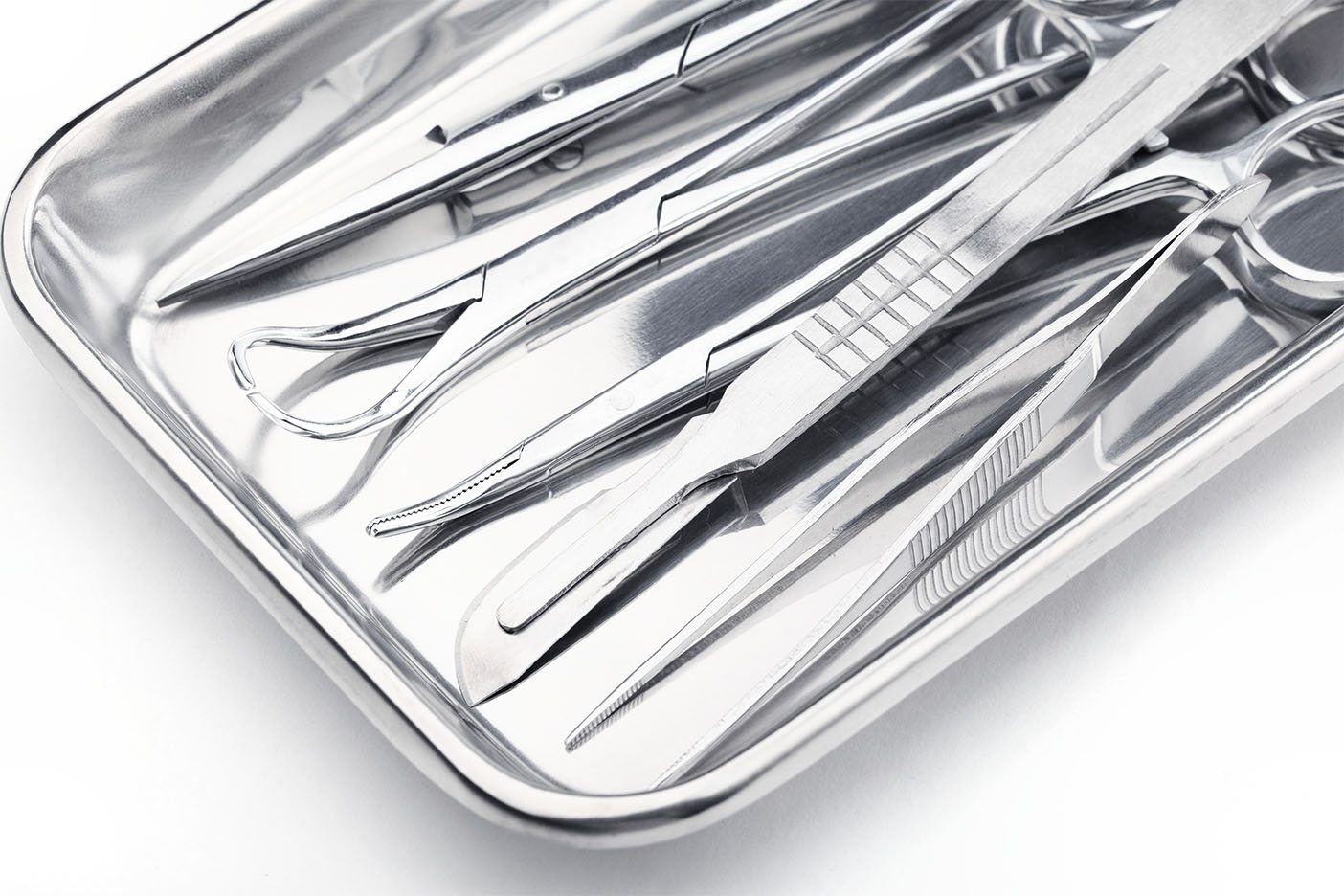
Monitoring Bath Life Extension in Medical Device Cleaning
Q. What is the best way to monitor for bath life extension?
A.To avoid potential for cross contamination, only freshly made up cleaning solutions should be used for the highest levels of critical cleaning. In general, a pH change of 1 unit towards neutral indicates an exhausted cleaning solution. Bath life can be extended. Learn How.
Alconox, Inc. Detergents and Continuous Bioprocessing
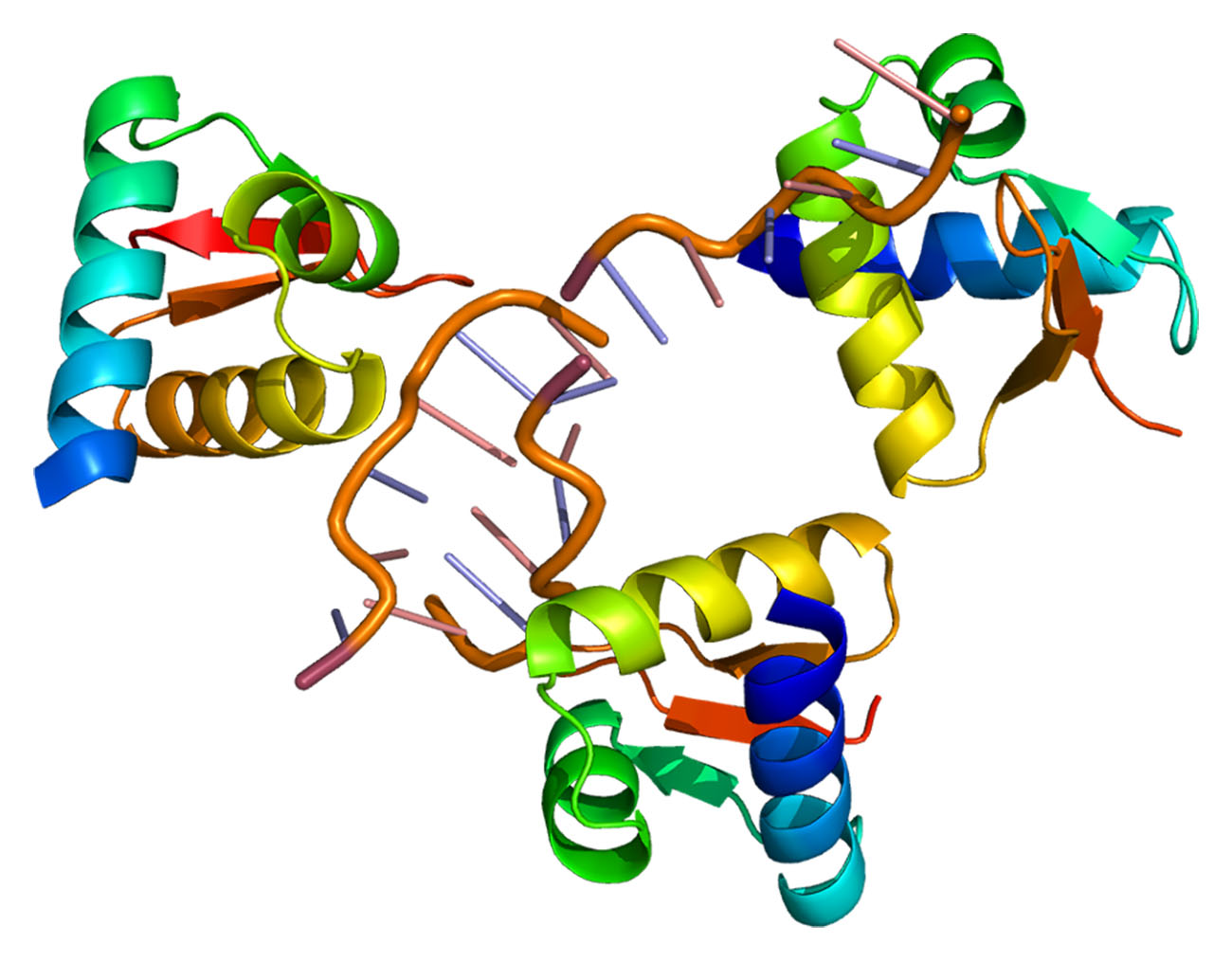
Q. How can Alconox detergents assist with our movement to continuous bioprocessing? A: Continuous bioprocessing is an exciting newcomer to the biotech realm. It has been used in industries such as food and chemicals for some time, effectively so. With improvements in cell culture perfusion, and the many forms of disposable technologies on the market, footprints can be reduced making continuous processing for biotech products a reality for many applications.
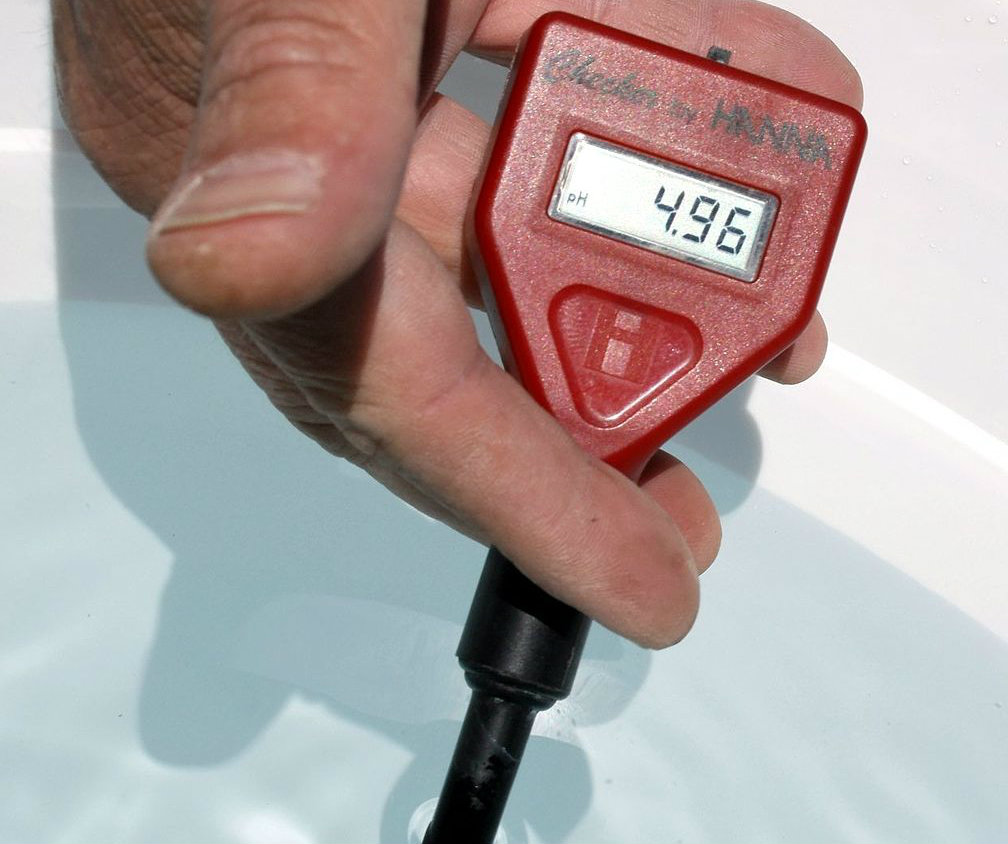
Brix vs. Conductivity: Measuring Ultrasonic Bath Concentration
Several years ago, our plant was directed to use the Refractive Index as a method of letting us monitor bath concentration during ultrasonic cleaning with your Liquinox detergent. More recently, our factory in Asia switched to Liquinox and were directed to use a conductivity measurement to monitor concentration. I decided to measure our cleaning bath using both methods and found a discrepancy — the brix (Refractive Index) reading was slightly above 1% concentration, but the Conductivity reading was nearly 2% concentration.
Risk Based Limits and Pharmaceutical Cleaning
Q. We are moving from LD50 data to ADE (PDE) limits based on HBELs. This is allowing us to eliminate disposables for low-risk products. How do I know which can be manually cleaned and which needs to be in a washer? Can manual cleaning be validated?
A. Many pharma and biotech companies have been moving to Health-Based Exposure Limits (HBELs) meaning Acceptable Daily Exposure (ADE) or Permitted Daily Exposure (PDE) limits as detergent residue limits.
