Published: March 12, 2026
Q: I restore and repair watches and need to remove light oils and horological greases from small metal watch parts, both manually and in an ultrasonic cleaner. I want something that cleans reliably without leaving any residue or film behind. What do you recommend?
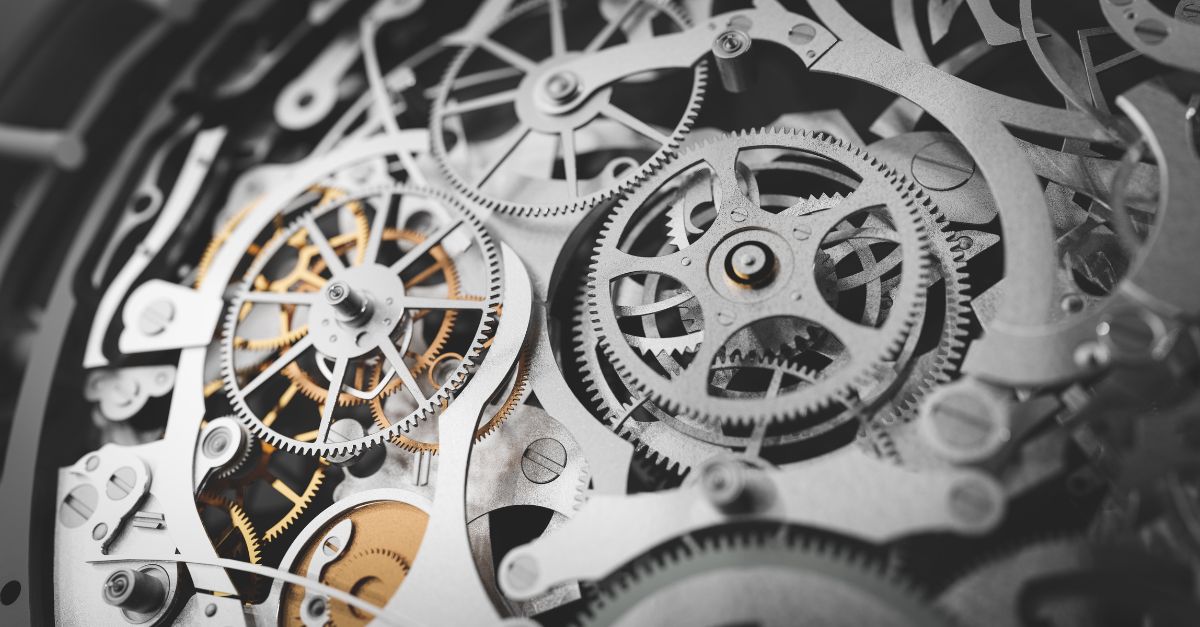
A: Watch parts present a classic precision cleaning challenge—small, intricate metal components with tight tolerances where any residual film or deposit can interfere with the function of the timepiece. This is exactly the kind of application where a well-formulated critical cleaning detergent outperforms solvents like isopropyl or ethyl alcohol, which can leave behind residues of their own and, as you’ve noticed, can damage certain watch components like bezels and gaskets over time.
For removing light watch oils and horological greases from metal parts, Liquinox® Critical Cleaning Liquid Detergent is an excellent starting point. Liquinox is a high-foaming, mildly alkaline liquid detergent that works exceptionally well for manual cleaning and ultrasonic applications. At 1-2% concentration in warm water, it effectively emulsifies and removes light mineral and synthetic oils from metal surfaces and rinses away completely without leaving a film—critical for watch components where even trace residues can affect lubrication and movement performance. For ultrasonic cleaning, this same 1-2% solution works beautifully, as the combination of cavitation and detergent chemistry ensures thorough penetration into the small crevices and recesses of watch movements and components.
If you’re dealing with heavier horological greases—the thicker lubricants used on mainsprings, keyless works, and gear pivots—you may find that Alconox® Powdered Precision Cleaner provides superior results. Alconox powder can often be even more effective on hard-to-remove residues including greases and high-viscosity oils, and especially when particulates are involved. It combines a higher alkalinity with powerful emulsification to break down and remove stubborn grease deposits that lighter detergents might struggle with. Many precision parts cleaning applications in watchmaking, jewelry, and instrument repair benefit from Alconox when standard detergents fall short on heavier lubricants.
For a practical benchtop workflow without a chemical hood, both detergents are very safe to use. Mix your solution in a small basin or ultrasonic tank, clean your parts, and follow with thorough rinsing in clean water—ideally deionized or distilled water for the final rinse to ensure absolutely no mineral deposits are left behind on the parts. This final rinse step is particularly important for watch components where water spots or mineral deposits could be problematic.
One important note: while both Liquinox and Alconox detergents are mild and safe for use with normal precautions, always avoid getting any cleaning solution in your eyes and rinse hands thoroughly after handling. Standard workshop precautions apply.
Get Exclusive Discounts and Cleaning Tips
Get discounts only available to our Alconox Scoop newsletter subscribers along with useful cleaning tips from our scientists.
Do you have a critical cleaning question for the experts at Alconox, LLC? Search TechNotes to see if it’s been answered before or Ask Alconox.
To request any Alconox, LLC detergents for free, please complete the questionnaire at Get Sample. For more information about any one of our Alconox, LLC detergents, consult the technical bulletin for each product. Or click here to access each of our detergent’s Safety Data Sheets
Have a clarifying question? Submit it here. cleaning@alconox.com