
Video: Tergazyme Enzyme-Active Powdered Detergent by Alconox, Inc.
Video: Tergazyme® Enzyme Active Powdered Detergent is a concentrated, anionic detergent with a proteolytic enzyme for manual and ultrasonic cleaning. Excellent for organic and oily residues in addition to enhanced removal of proteinaceous soils, tissue, biofilms, blood and bodily fluids from glassware, metals, plastic, ceramic, porcelain, elastomers and fiberglass with no interfering residues.
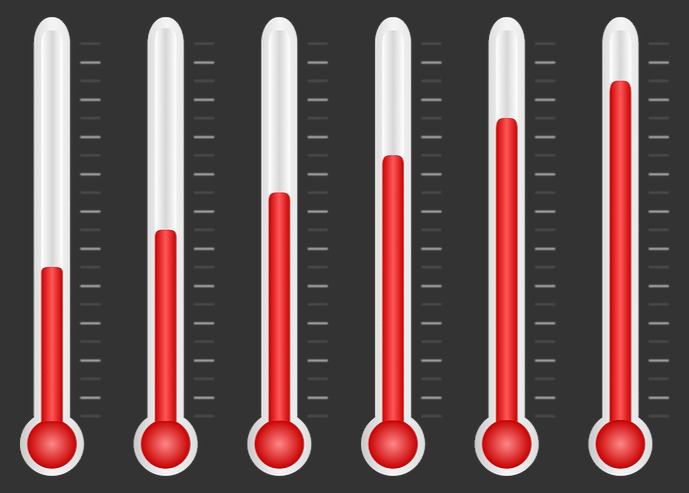
Cleaning Proteins: pH and Temperature
We run our caustic cleaning at pH 10-10.5. However, the specifications say the nominal pH of a 1% Tergazyme solution is 9.5 Are we compromising cleaning proteins / enzyme performance by using the higher pH and running as part of a caustic cycle? Can we run it at 110F or should we be lower?
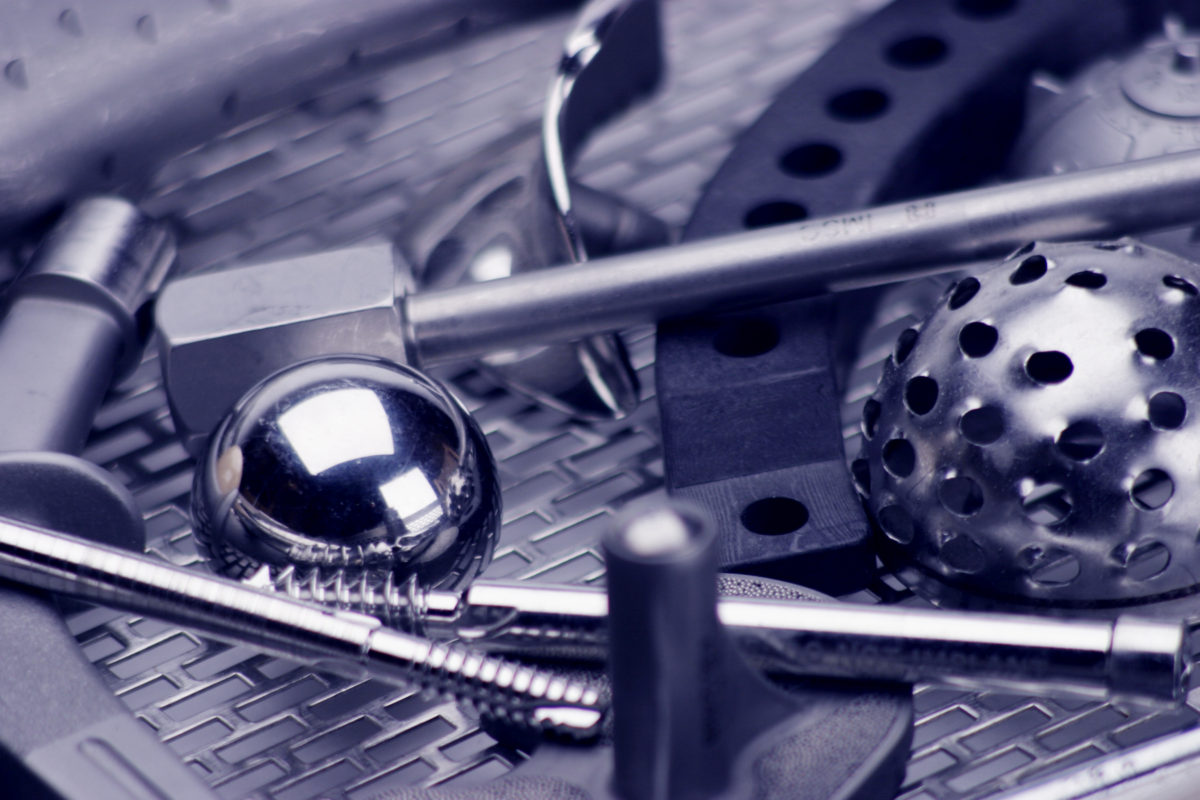
Pre-soak for Tough Residues in Medical Device Cleaning & Reprocessing
Q. We reprocess single use medical devices and we are having trouble getting organic and biological residue out of crevices. It is requiring cleaning for a much longer time than we can support in our processes. We’ve started to do pre-soaking as we read that this would help, but we’re a little concerned we are not doing that optimally either. Can you make recommendations?
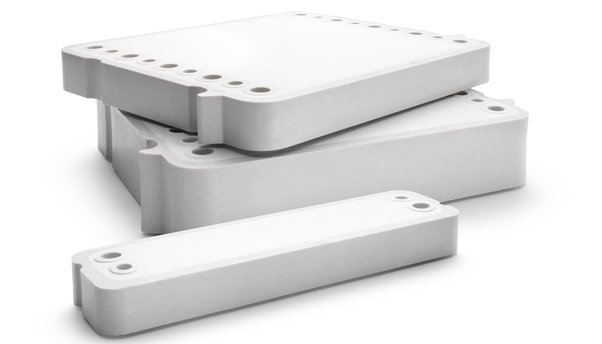
TFF Cassette Cleaning
Q. We use Tergazyme to clean our TFF cassettes and it’s working well. However, we are moving to CIP cleaning in an automated, high pressure environment and are worried about foaming. Do we stick with Tergazyme or is there a better detergent we should use?
A. Tergazyme® Enzyme-Active Powdered Detergent is of an excellent choice for cleaning TFF cassettes. Even as you move to more high pressure, automated CIP method, Tergazyme detergent will likely continue to work well. That’s because….
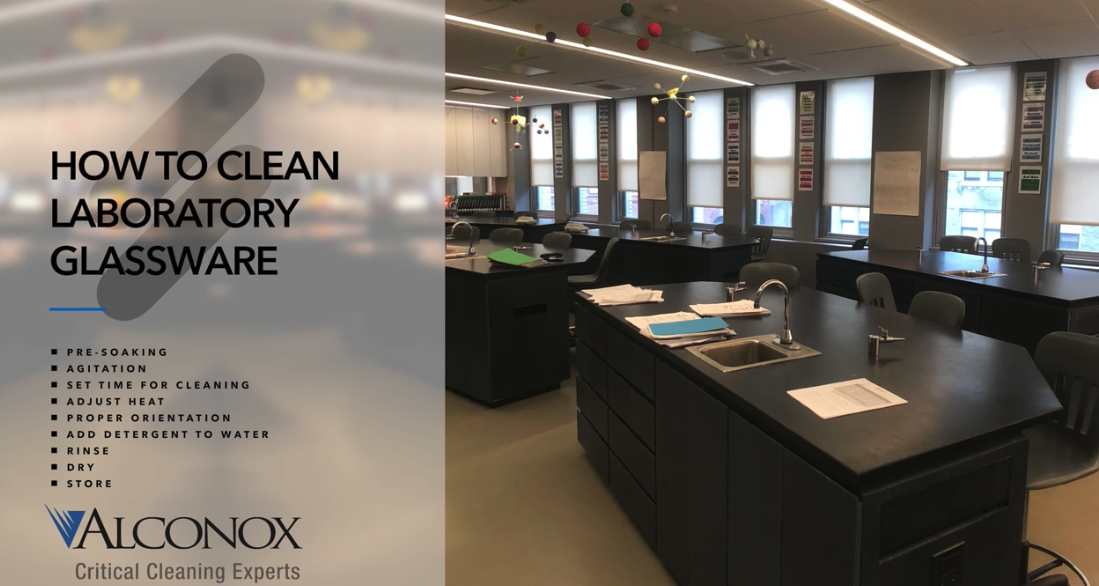
How to Clean Laboratory Glassware
Clean laboratory glassware is essential in all laboratories. No scientist, engineer, laboratory technician, or analyst has time to fail an experiment because of contaminated glassware.
Good, well-built, precision detergents (like the Alconox, Inc. portfolio of course) can make up for quite of bit incomplete, inefficient or incorrect glassware cleaning techniques.
